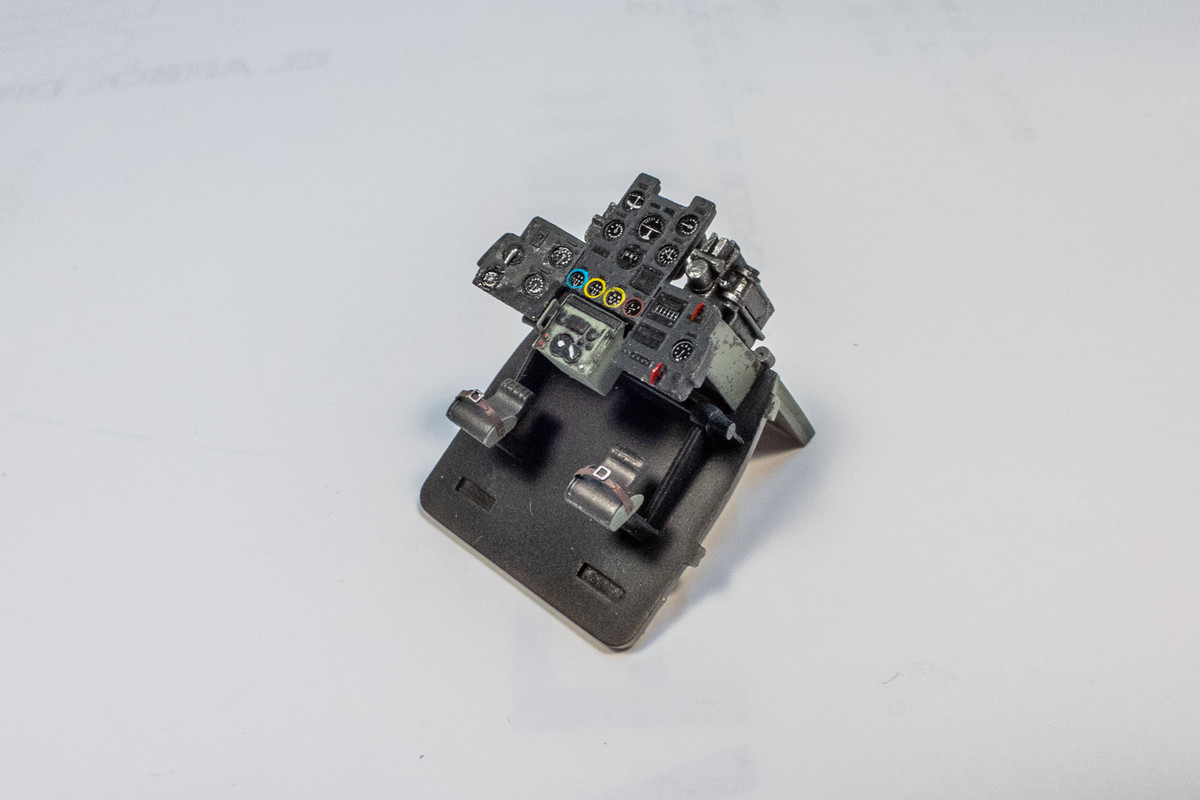
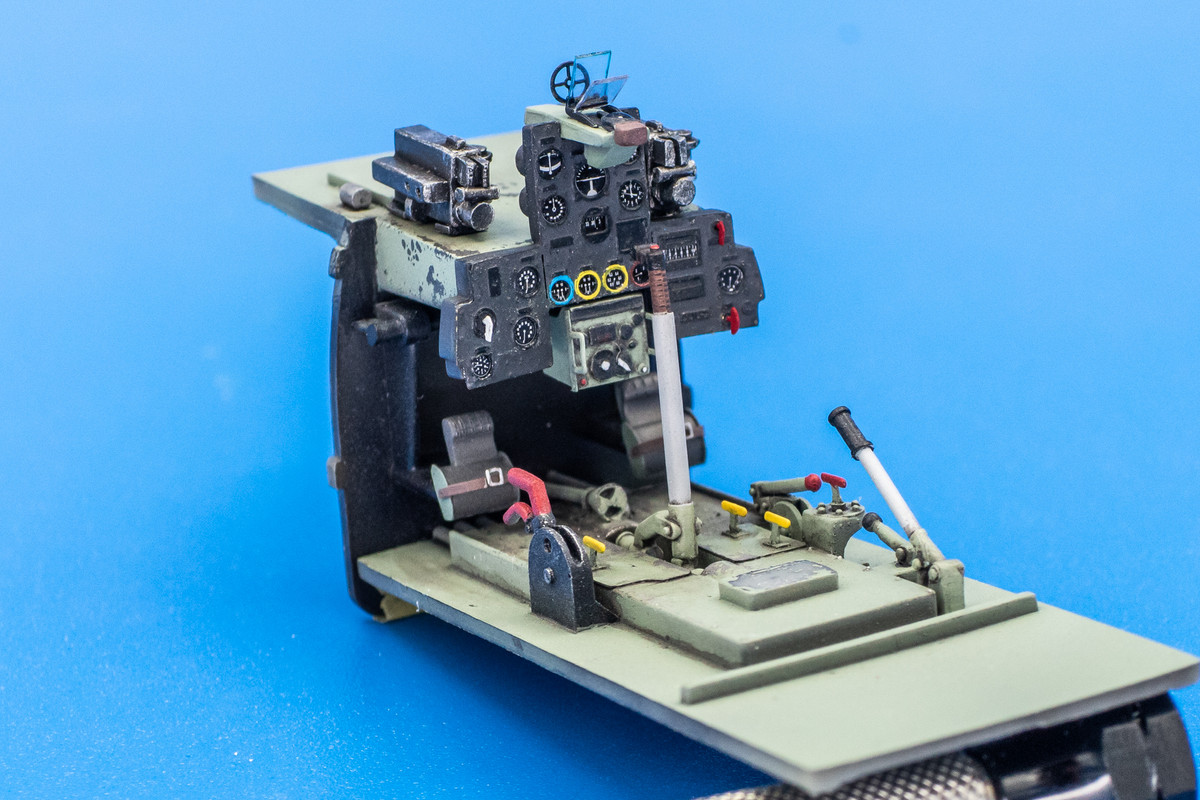
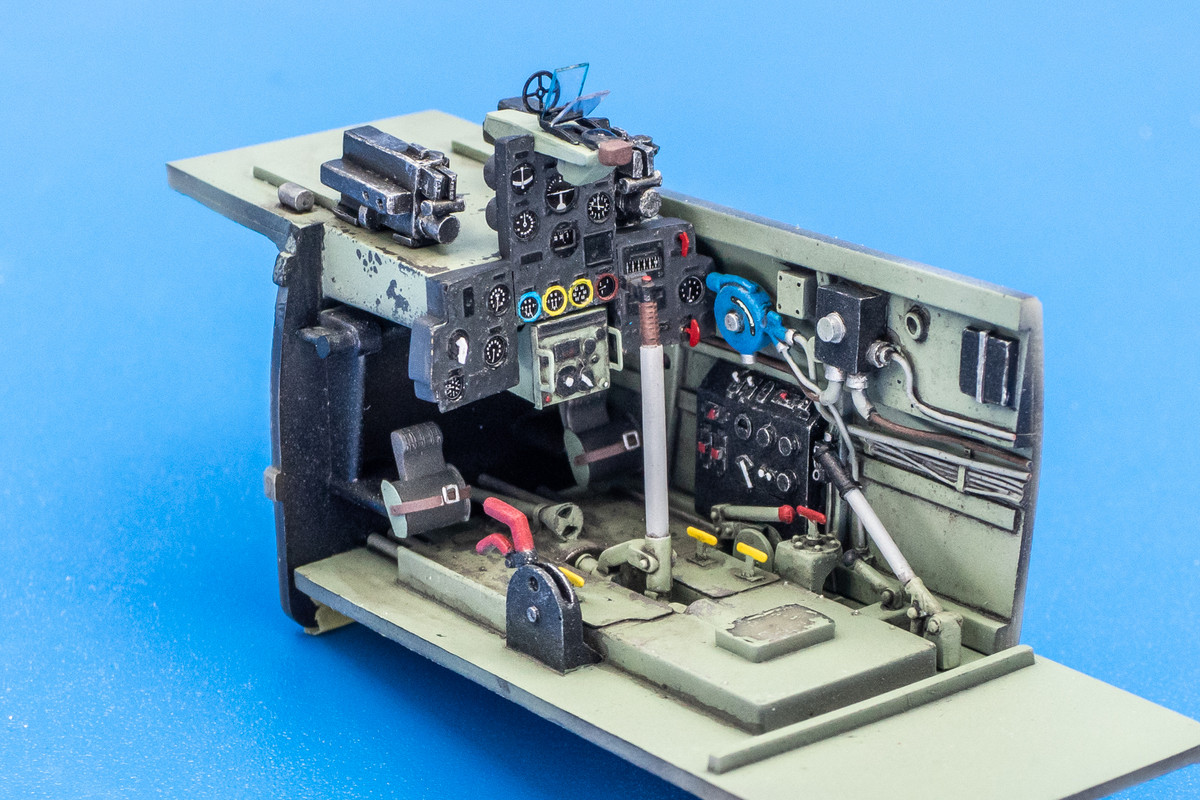
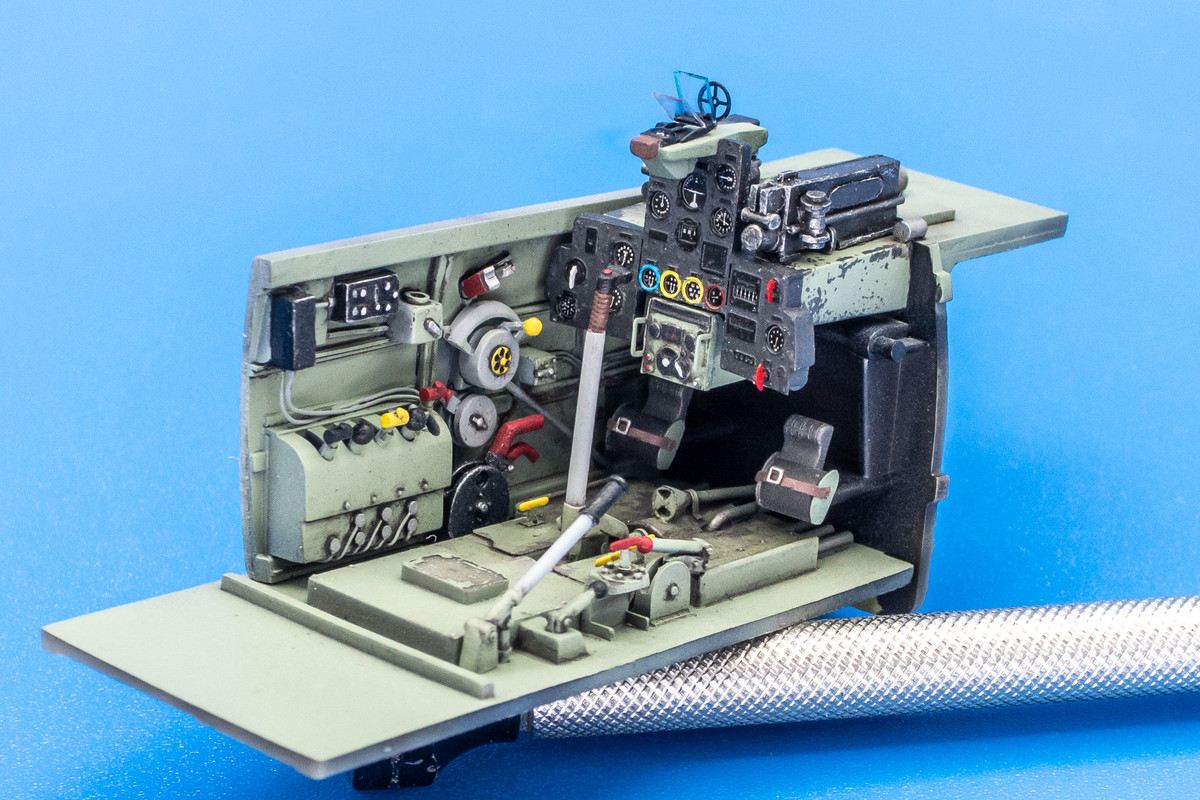
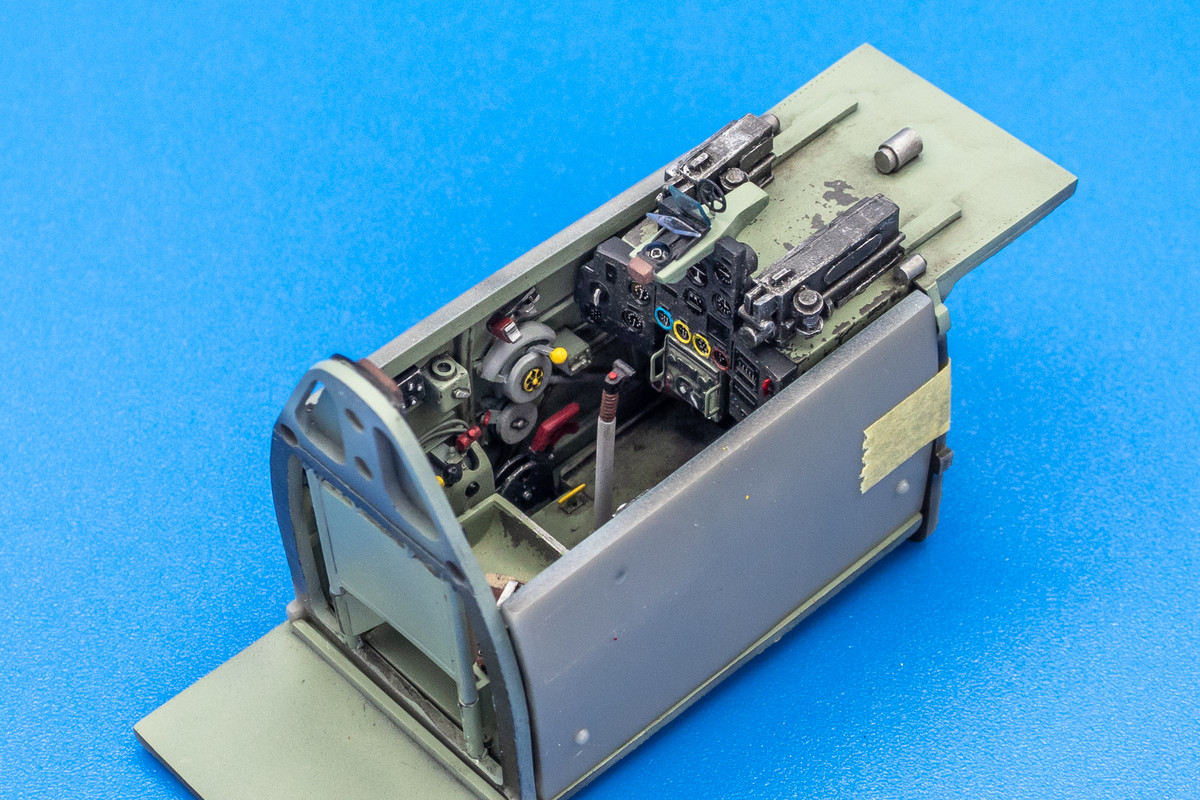
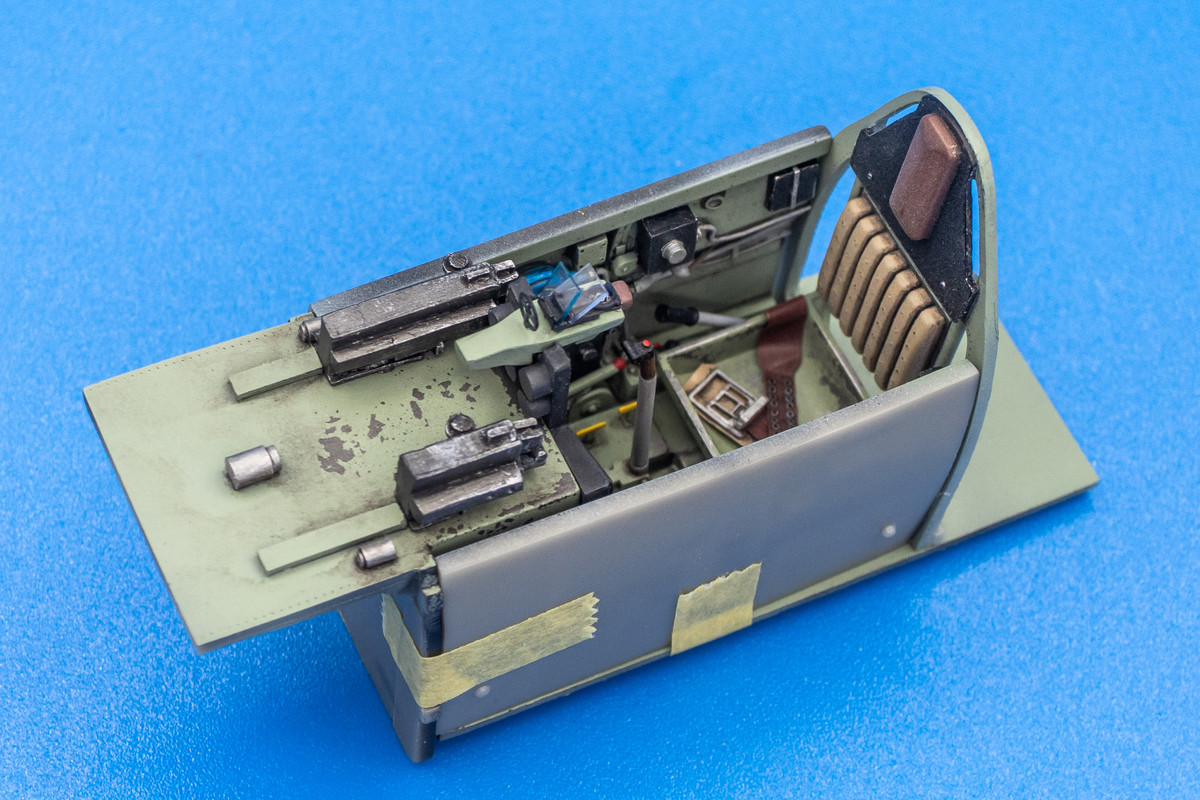
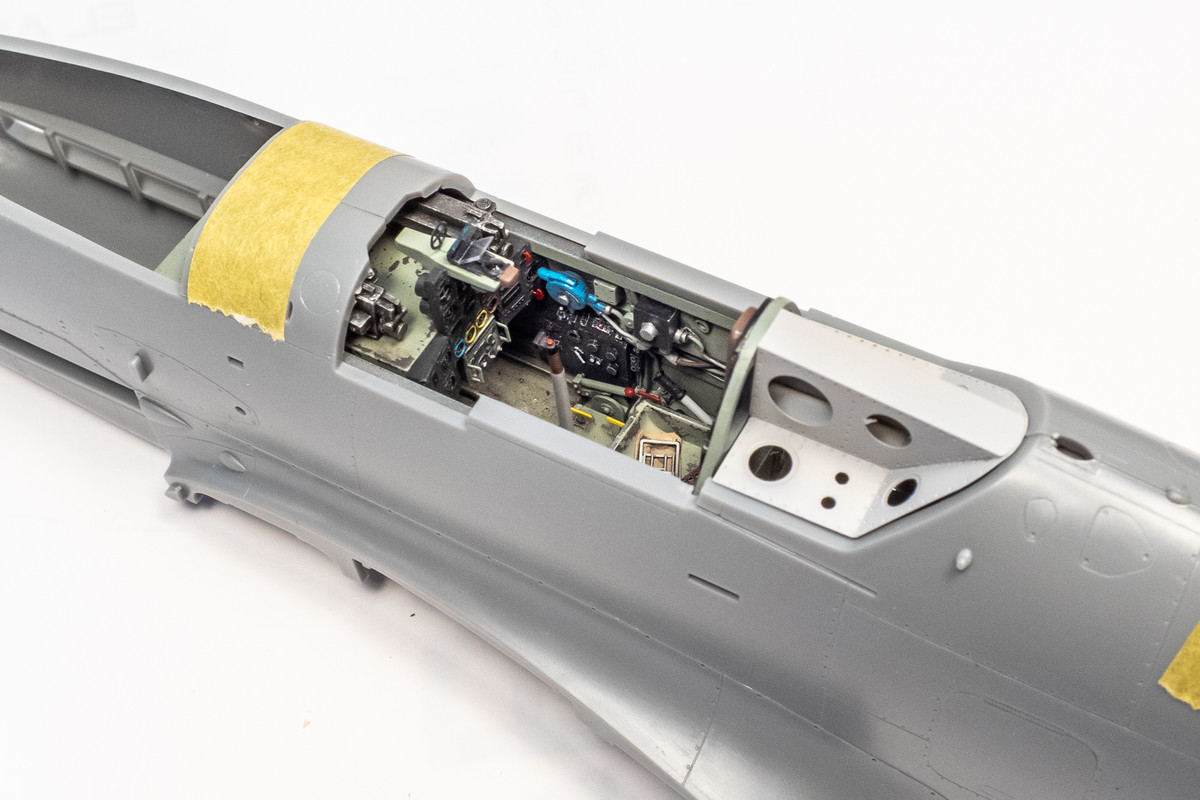
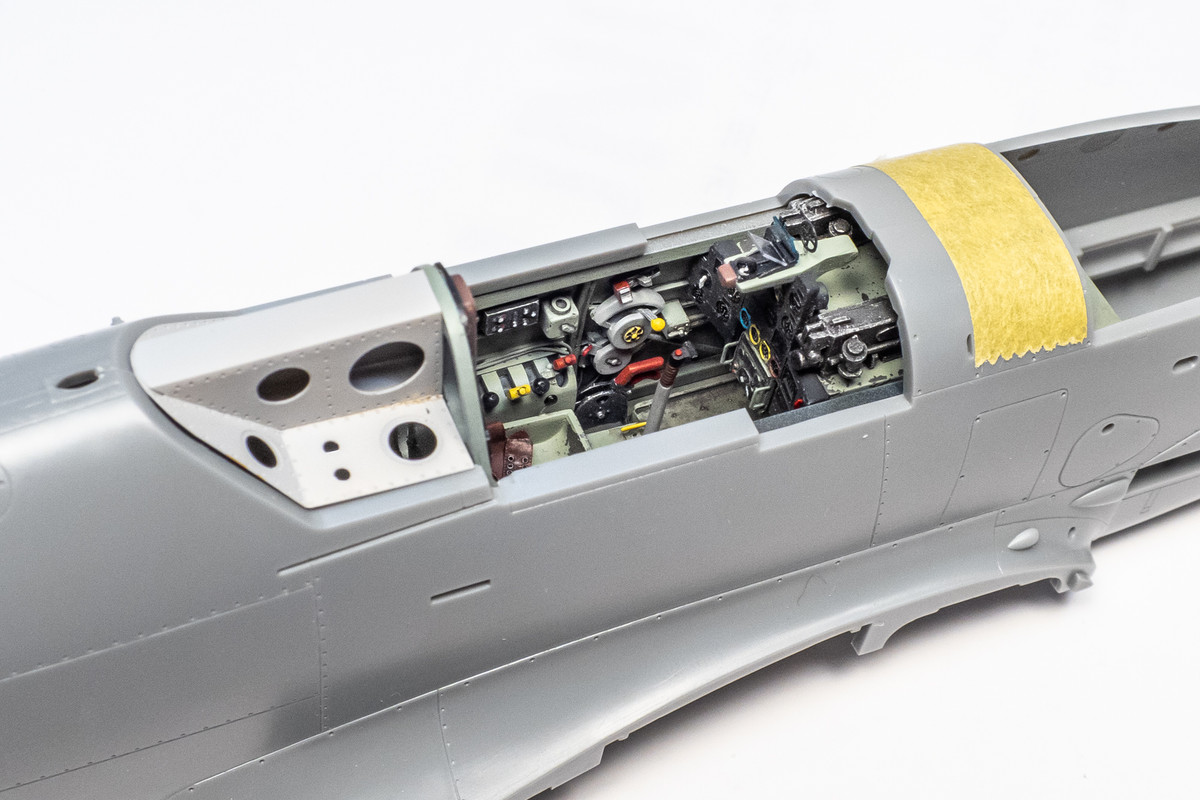
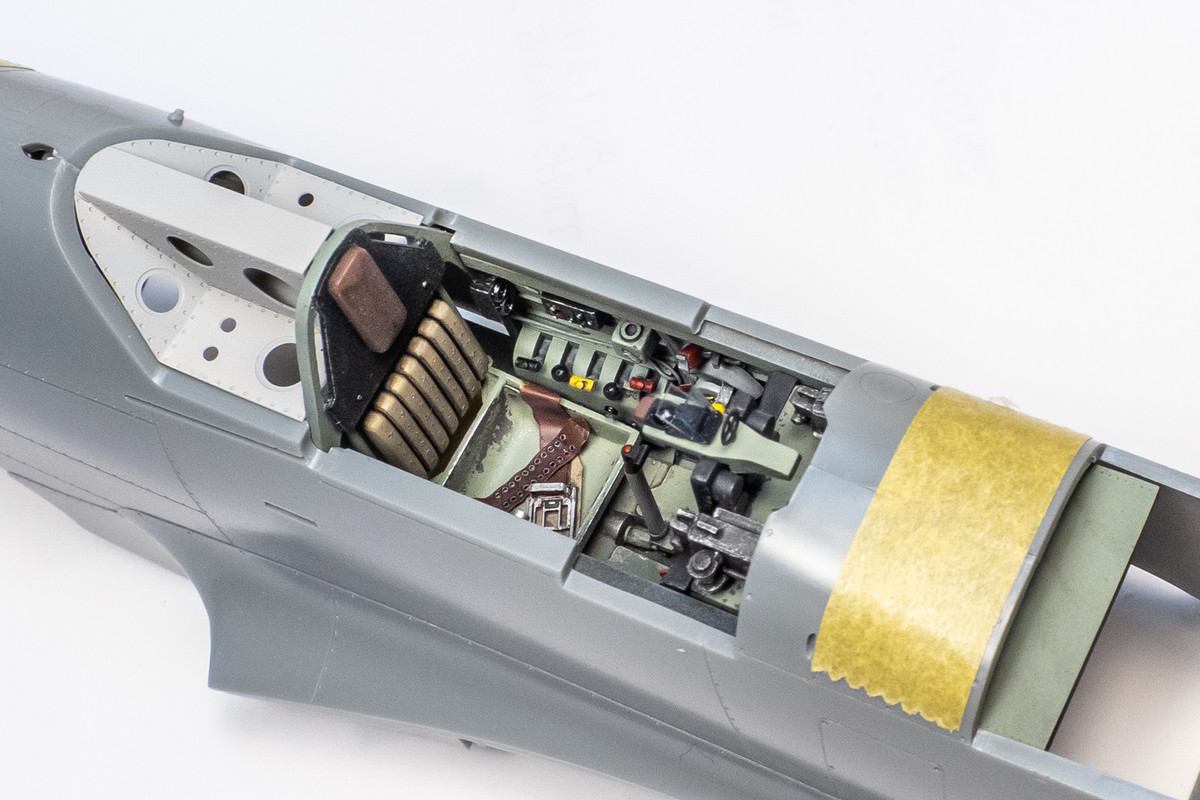
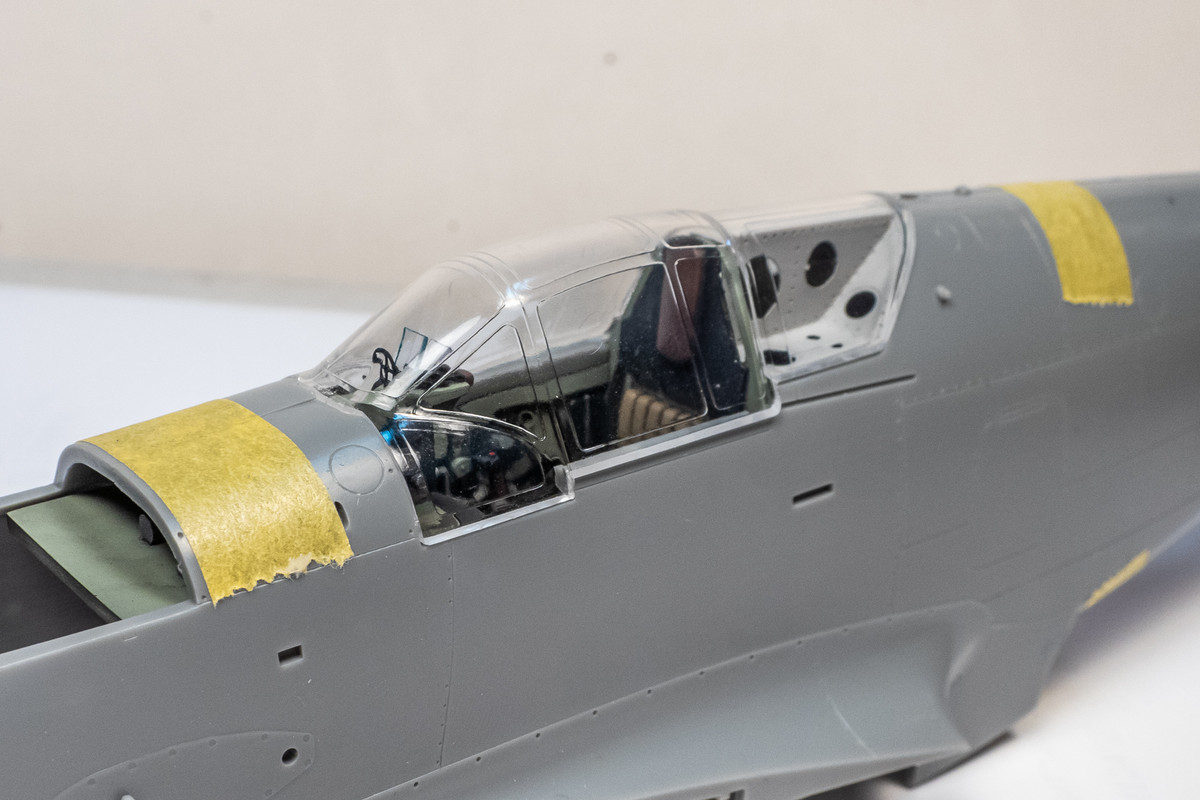
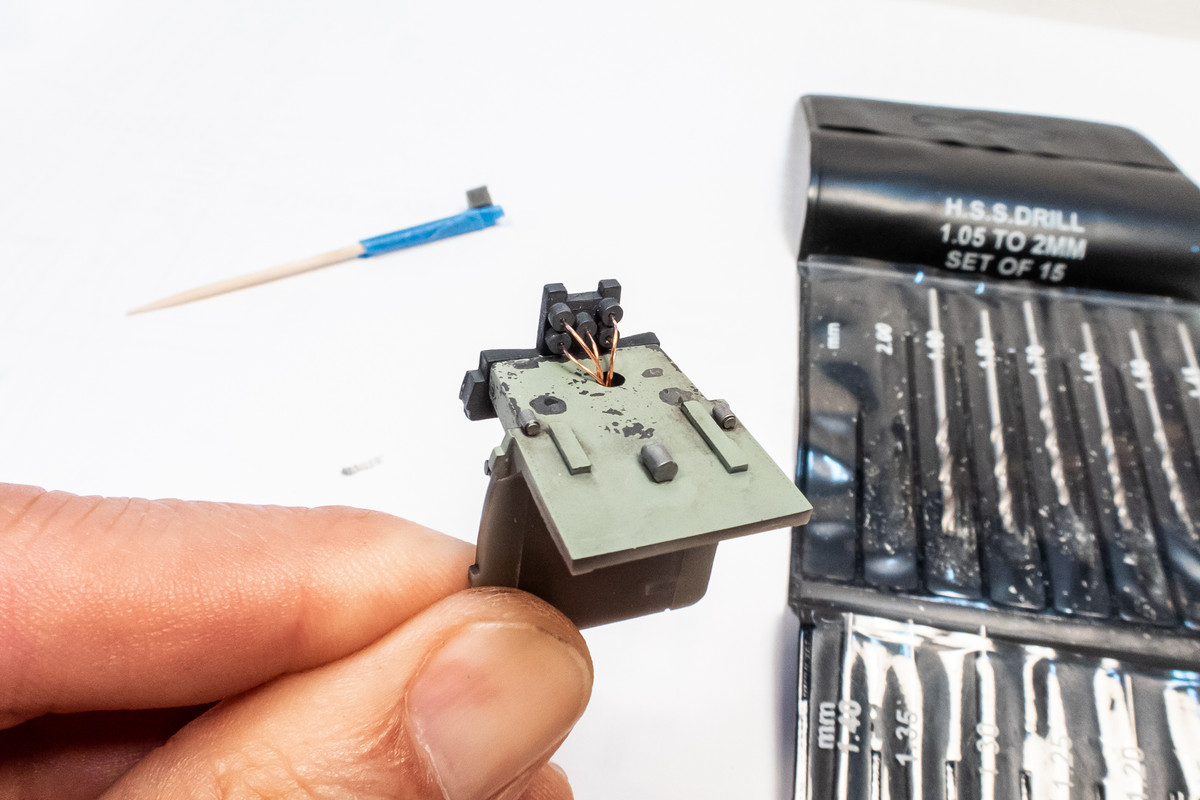
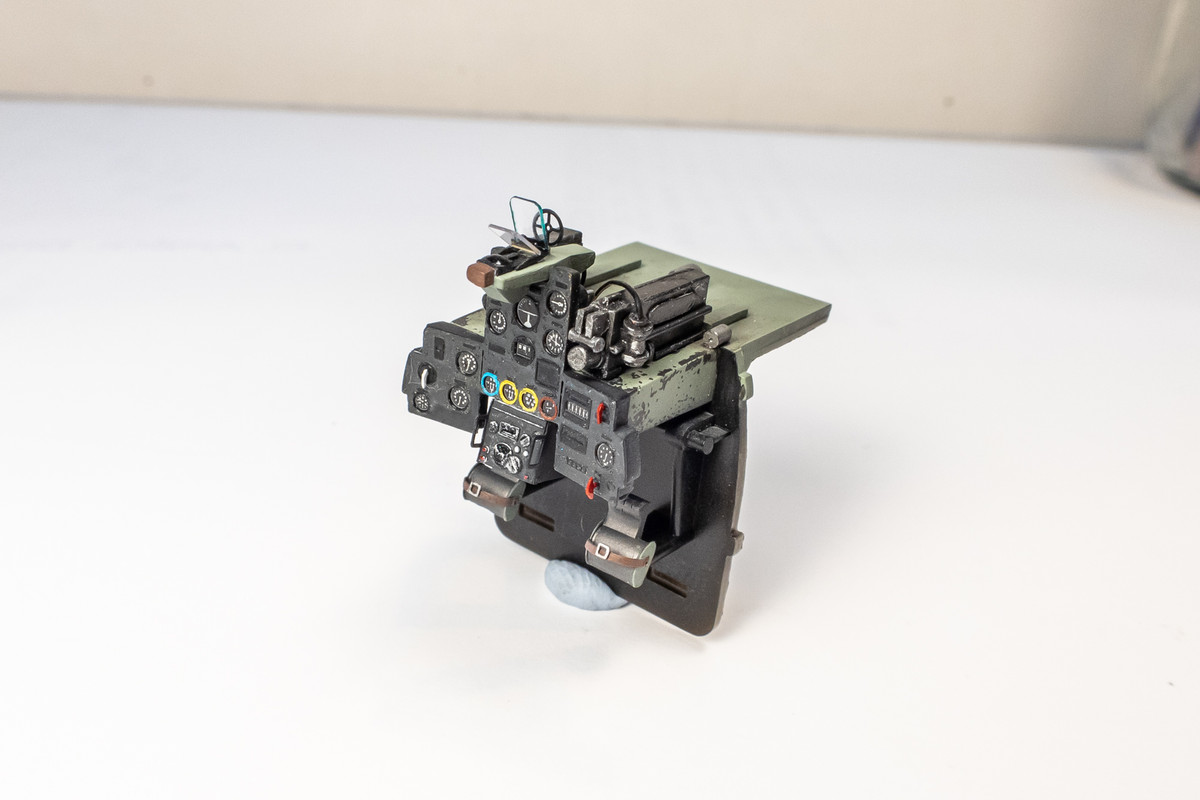
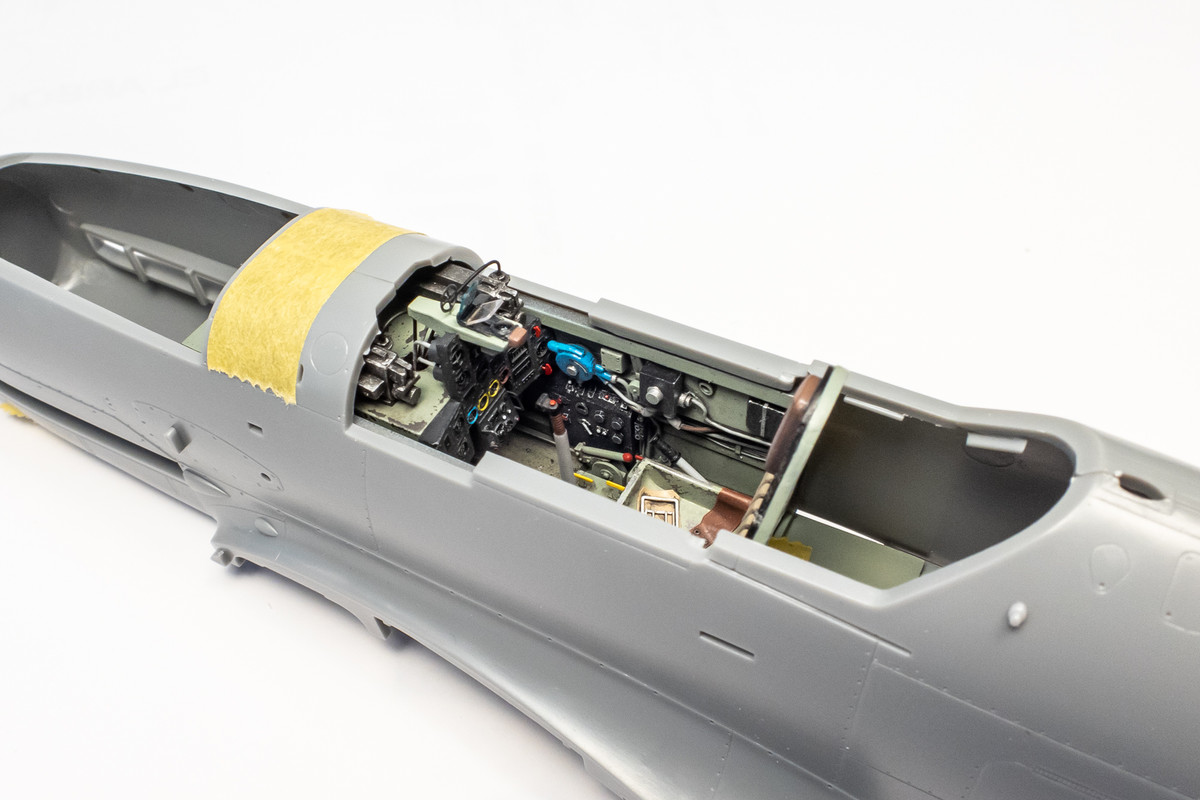
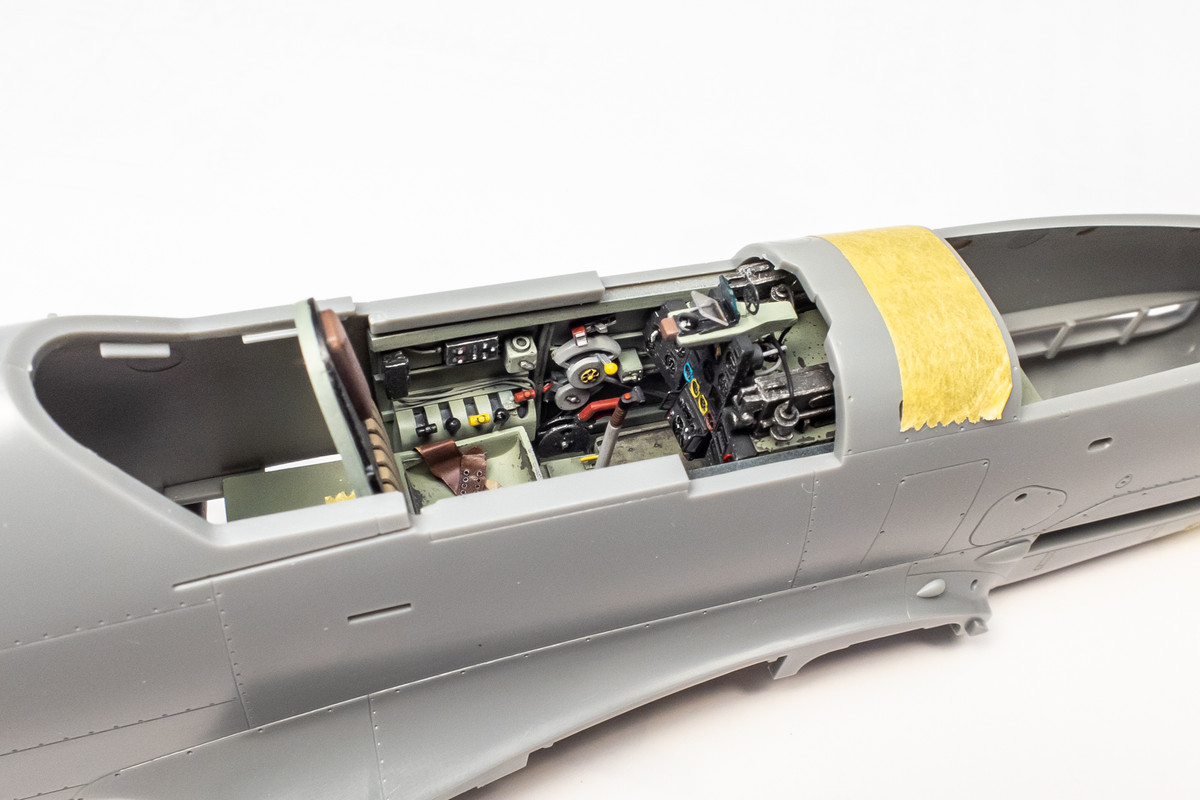
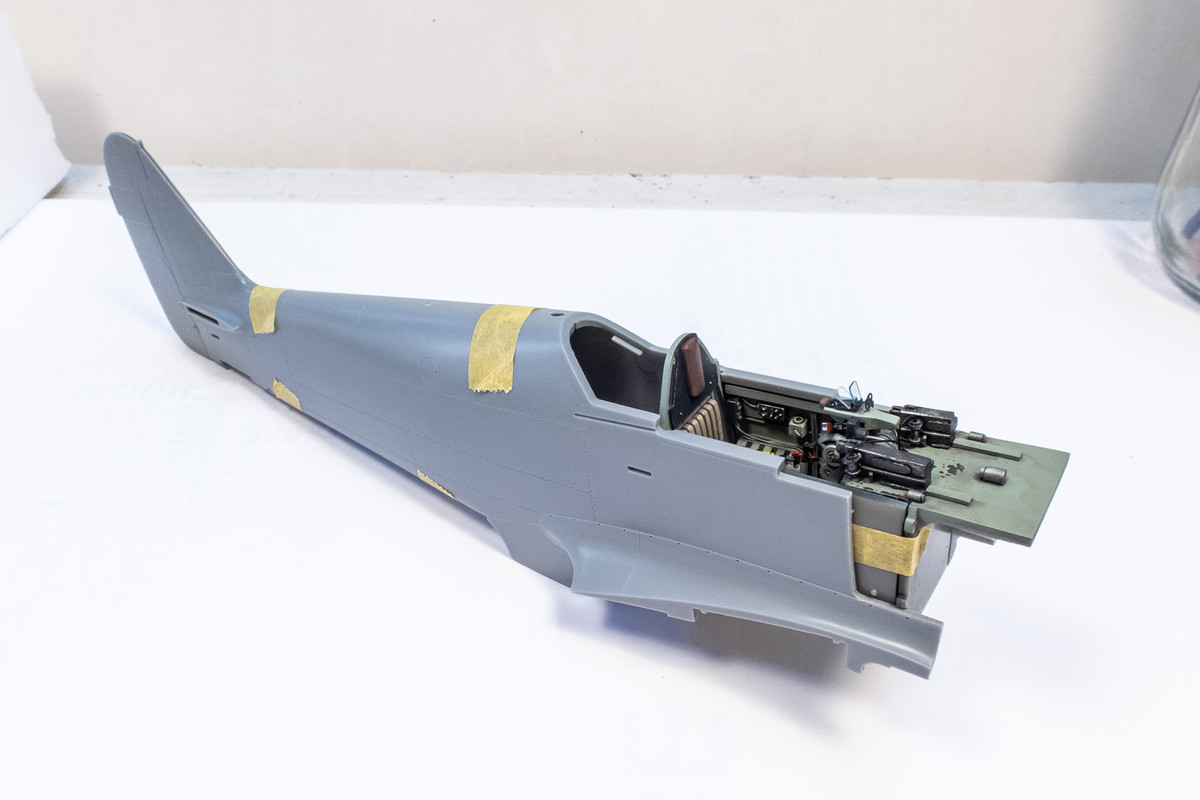
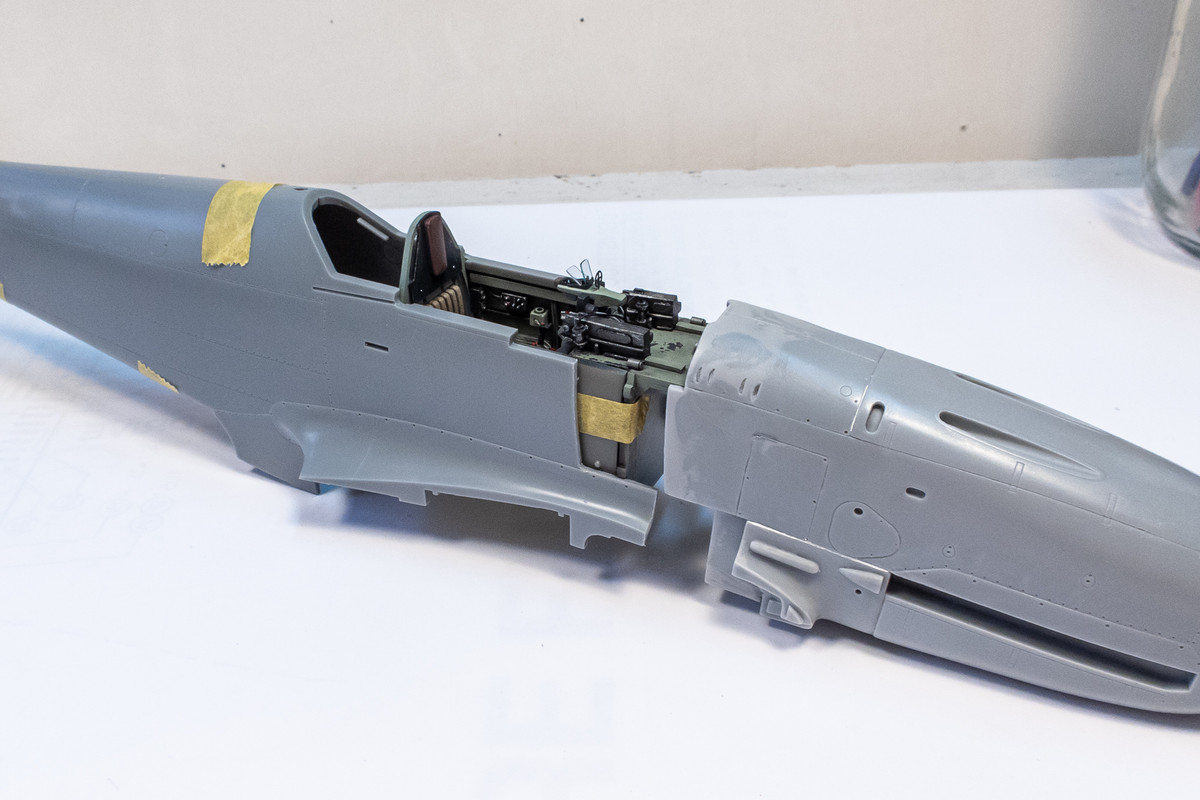
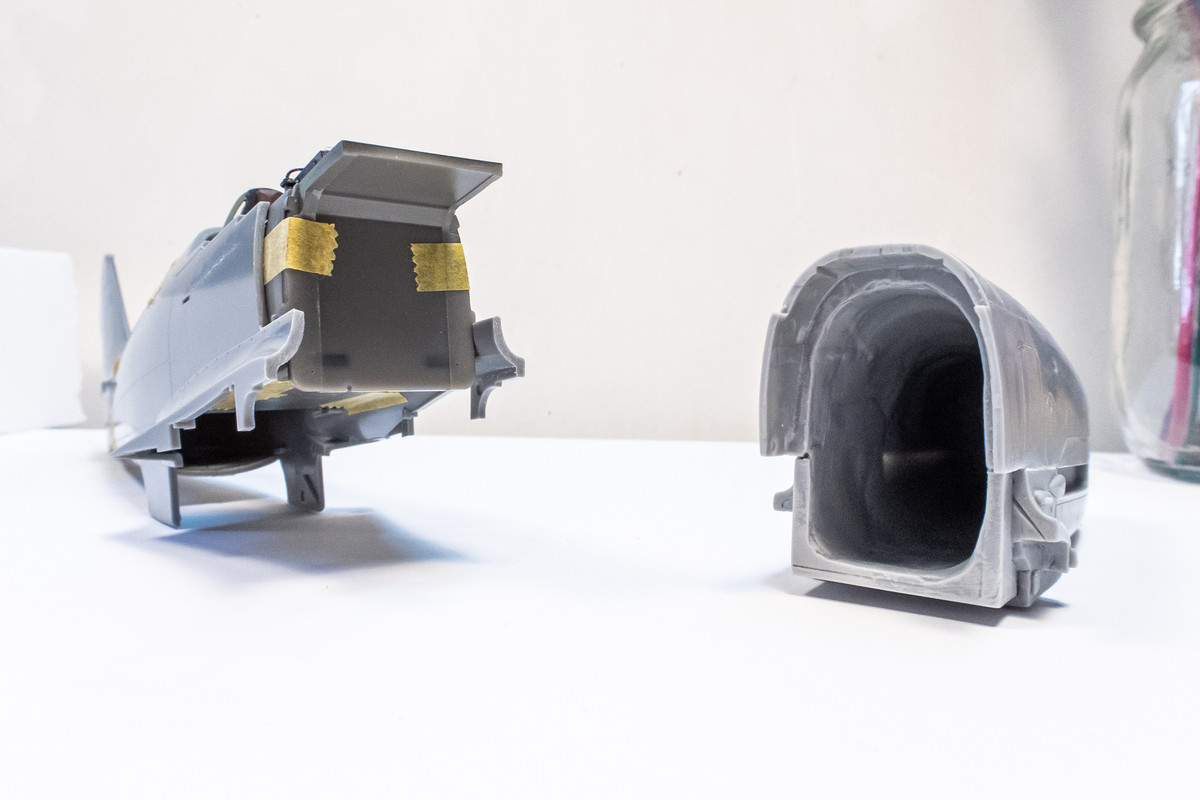
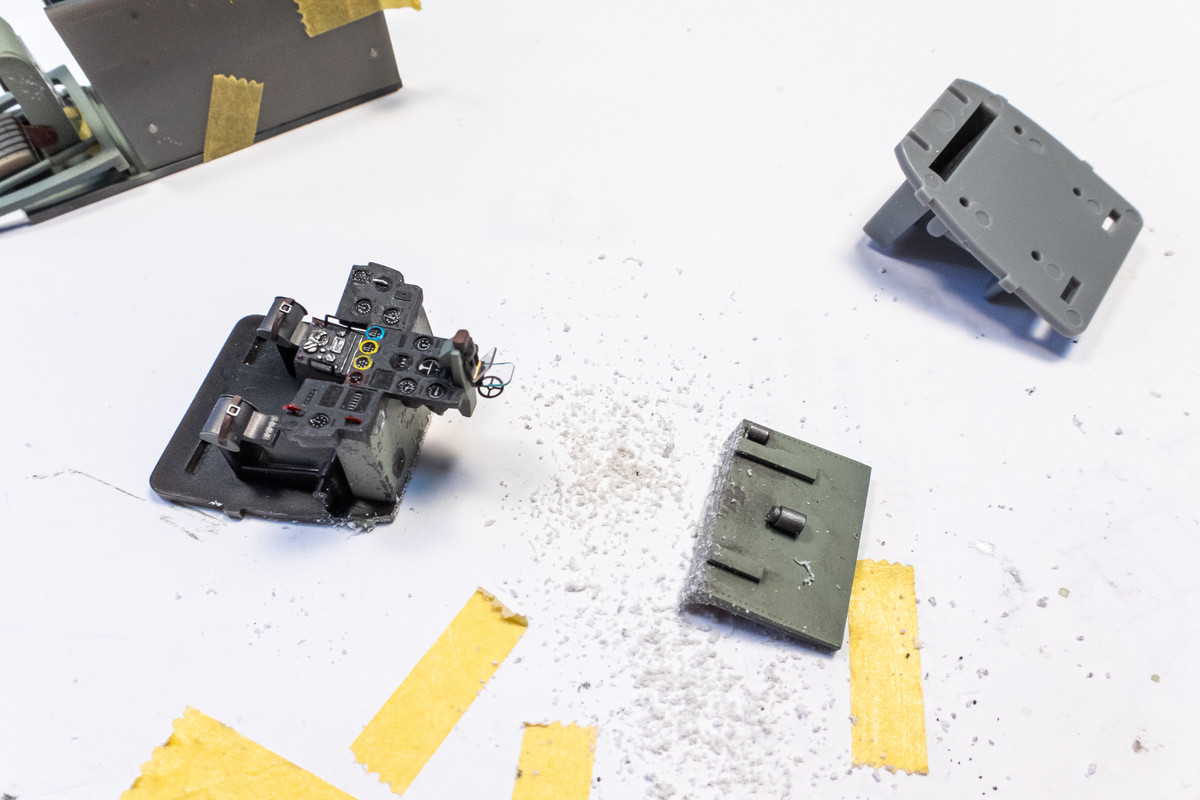
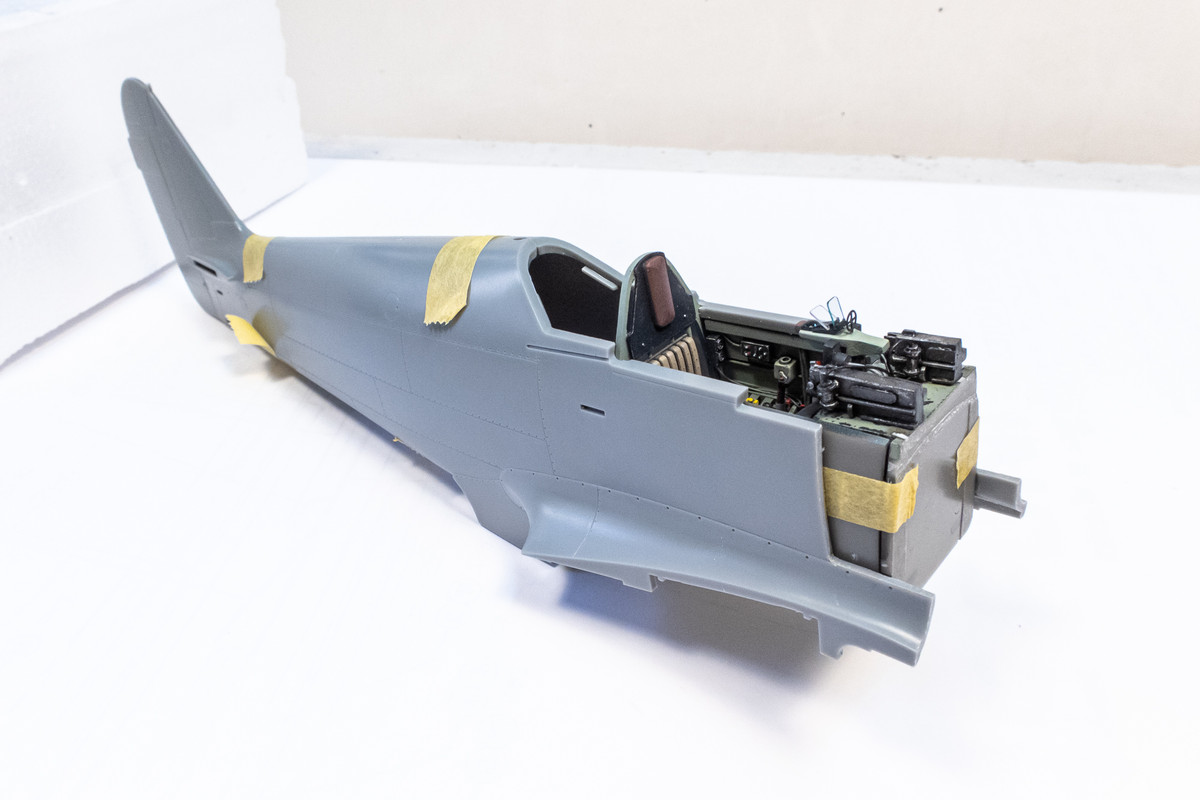
The cockpit painting has started. I started very small and painted three small levers and installed them on the instrument panel. You can't see it here but I took the time to putty the top edges of the panel to hide the obvious joint between the photoetch face and the resin backing.

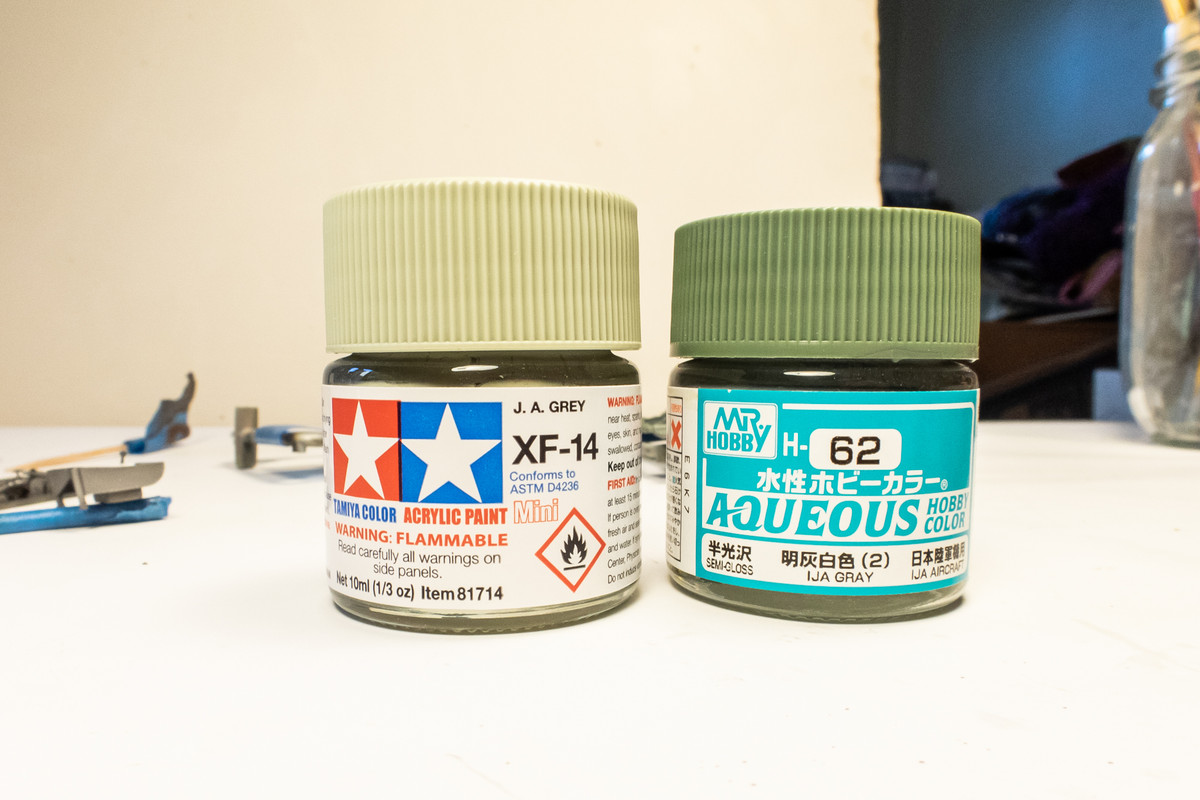
My knowledge of Japanese WW2 aircraft is very minimal. Colors on these aircraft is not straightforward and I'm relying on information that I was able to mine from the internet, right or wrong. My research pointed to what I think is a credible source named Nick Millman. He writes the blog "Aviation of Japan" and has some very in-depth and interesting color analyses of WW2 Japanese aircraft, inside and out. On the subject of the interior color of the Ki-61, I found some recommendations by Mr. Millman in 2017 which, in essence, said to avoid the sandy brown (RLM 79) convention that many modelers assume is valid and go with grey-green. Mr Color C128 (IJA Grey Green) or Mr Hobby Aqueous H62 (IJA Grey) preferable over Tamiya XF-14 (IJA Grey). But my first choice was AK Real Colors RC328 (Hai-ryokushoku Grey Green). AK Real Colors was recently introduced and Mr. Millman was involved in the development of some colors (presumably the Japanese WW2 stuff) so I started with this color. I don't know if there is variability in batches but this color looked very cool, almost bluish grey. Didn't like it.
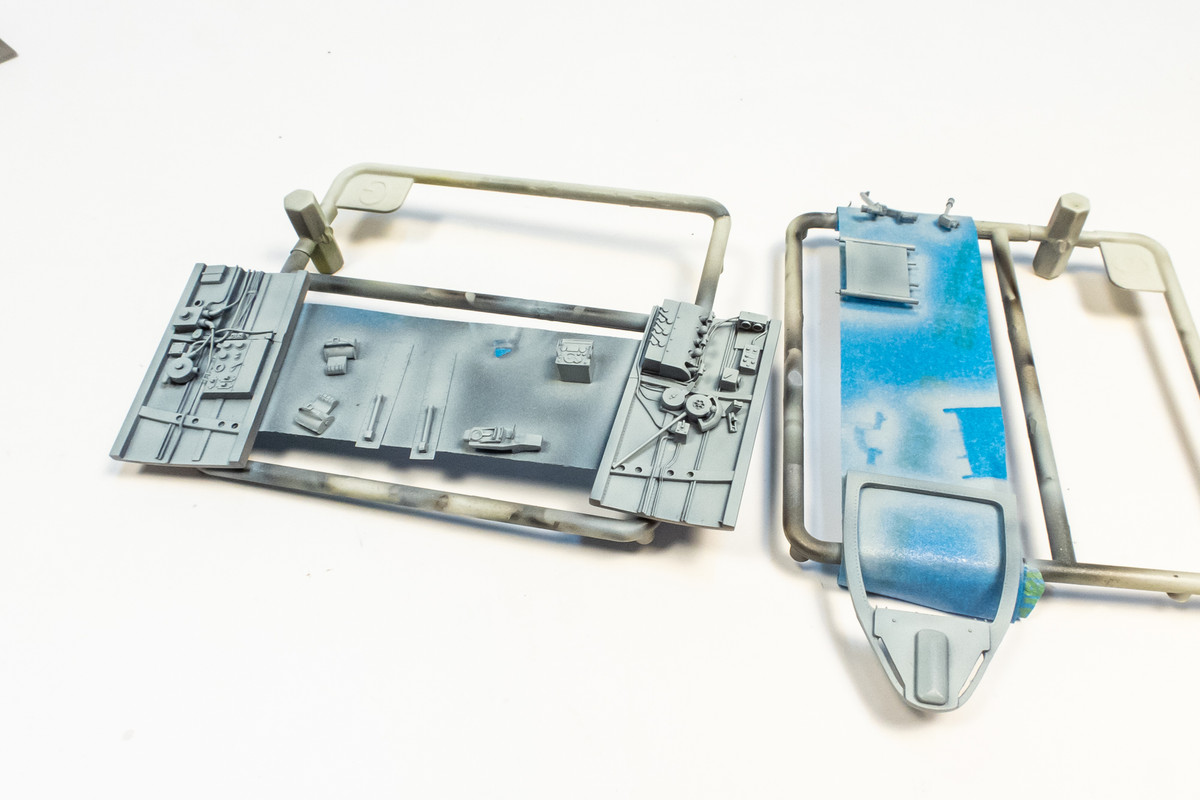
After spraying some samples of Mr Hobby Aqueous H62 and Tamiya XF-14, I settled on a 1:1 mixture of the two.
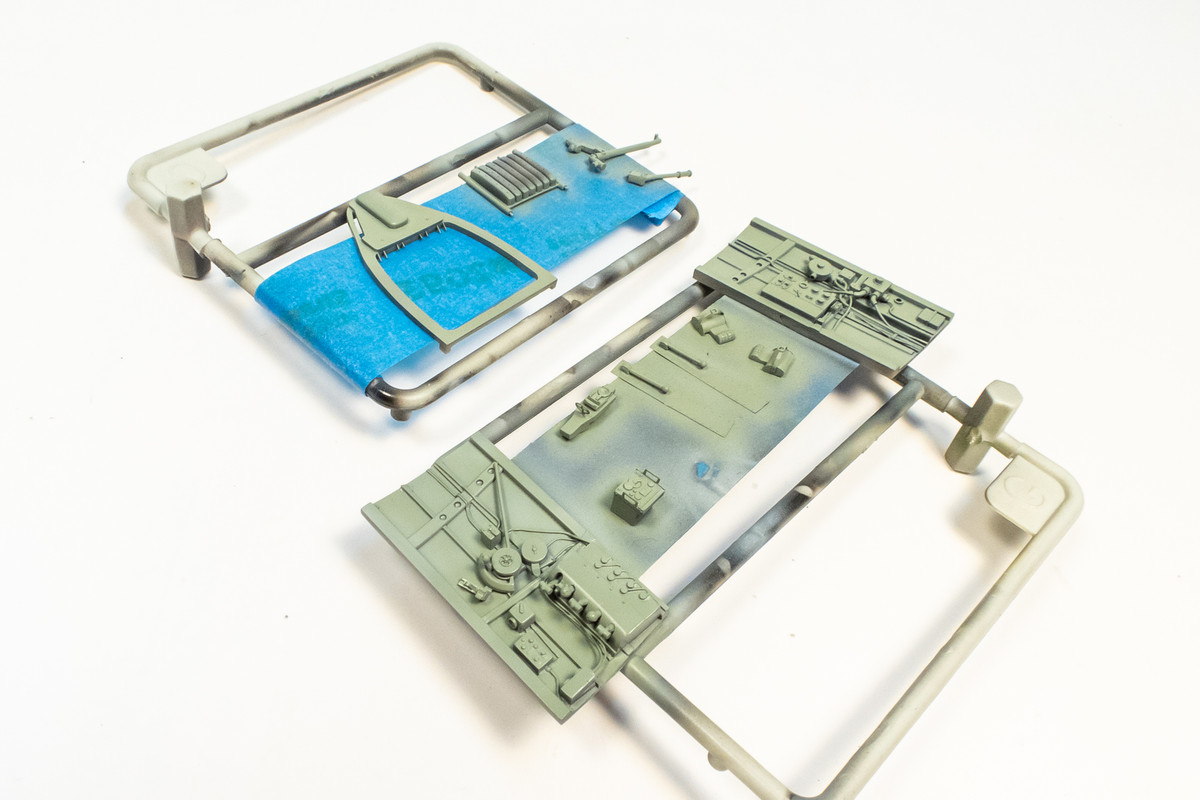
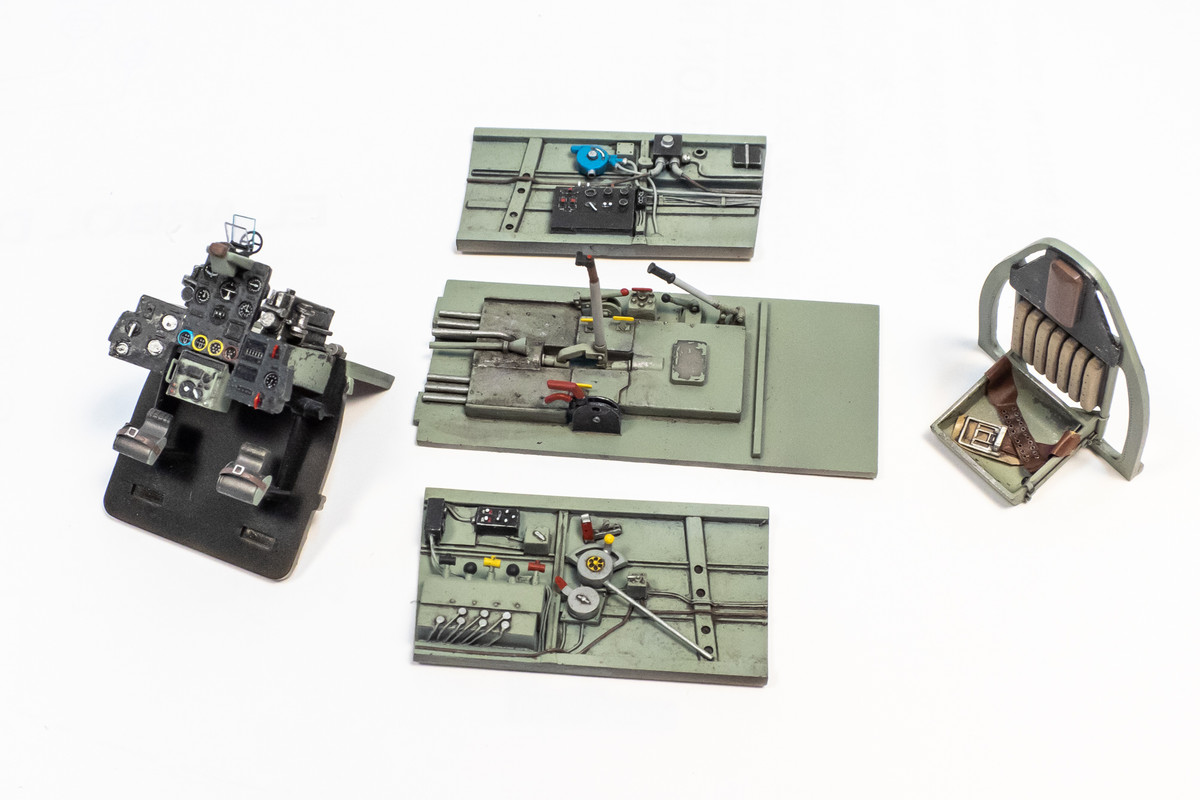
After the base color is established, I start doing the detail painting of the cockpit. I'm very random when it comes to this and jump all around the place with the detail painting. Just whatever jumps out at me or if I see something in my references that I want to replicate. Slowly but surely, things get done.
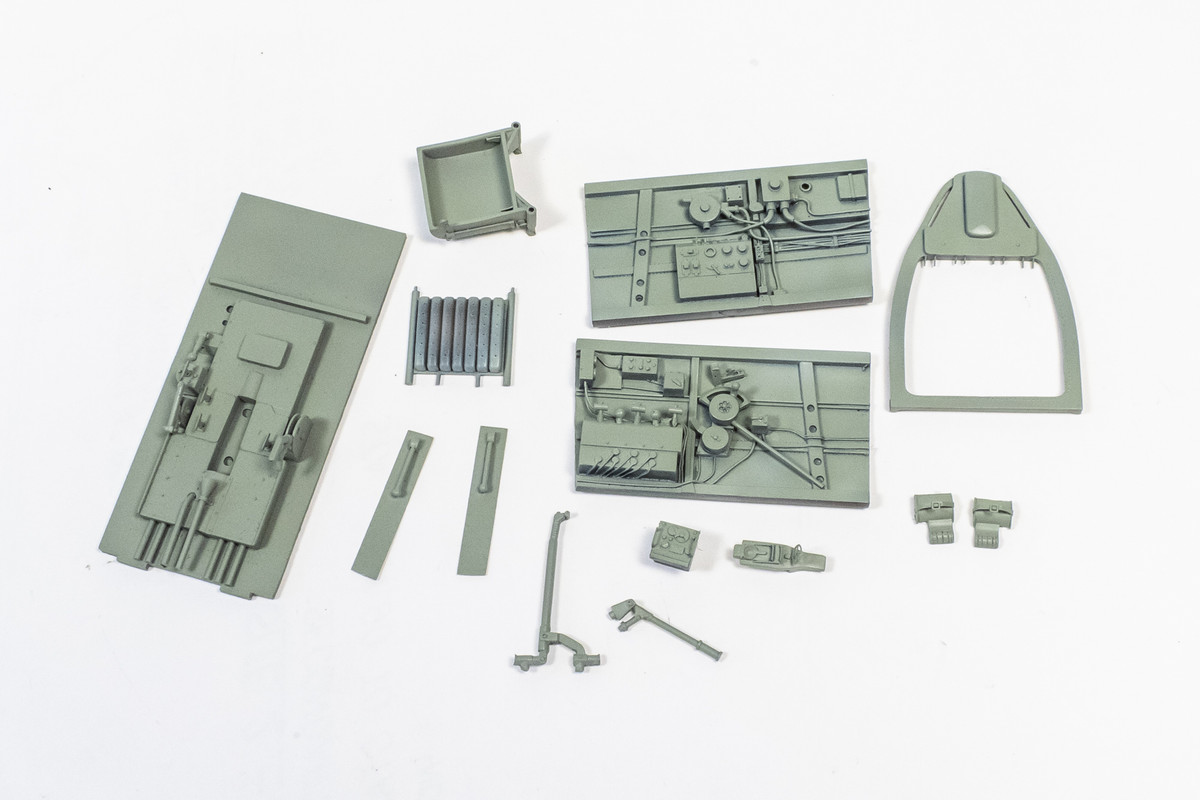
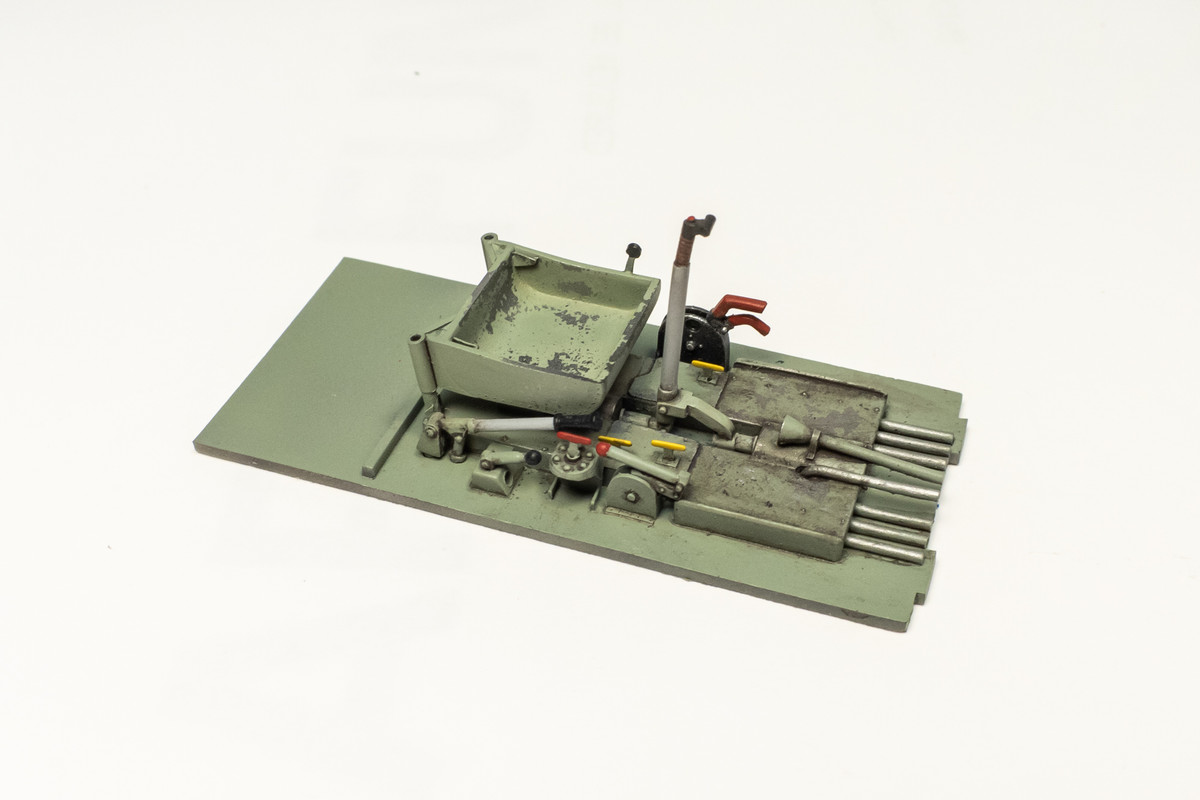
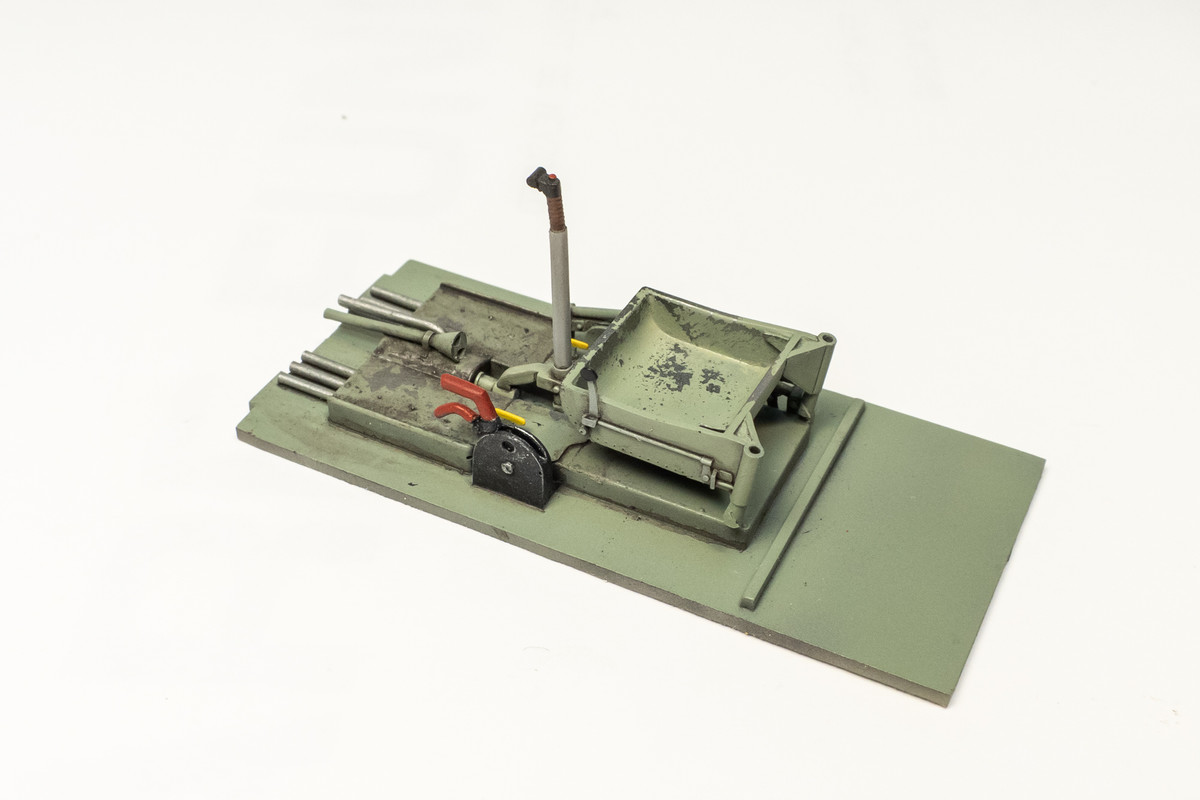
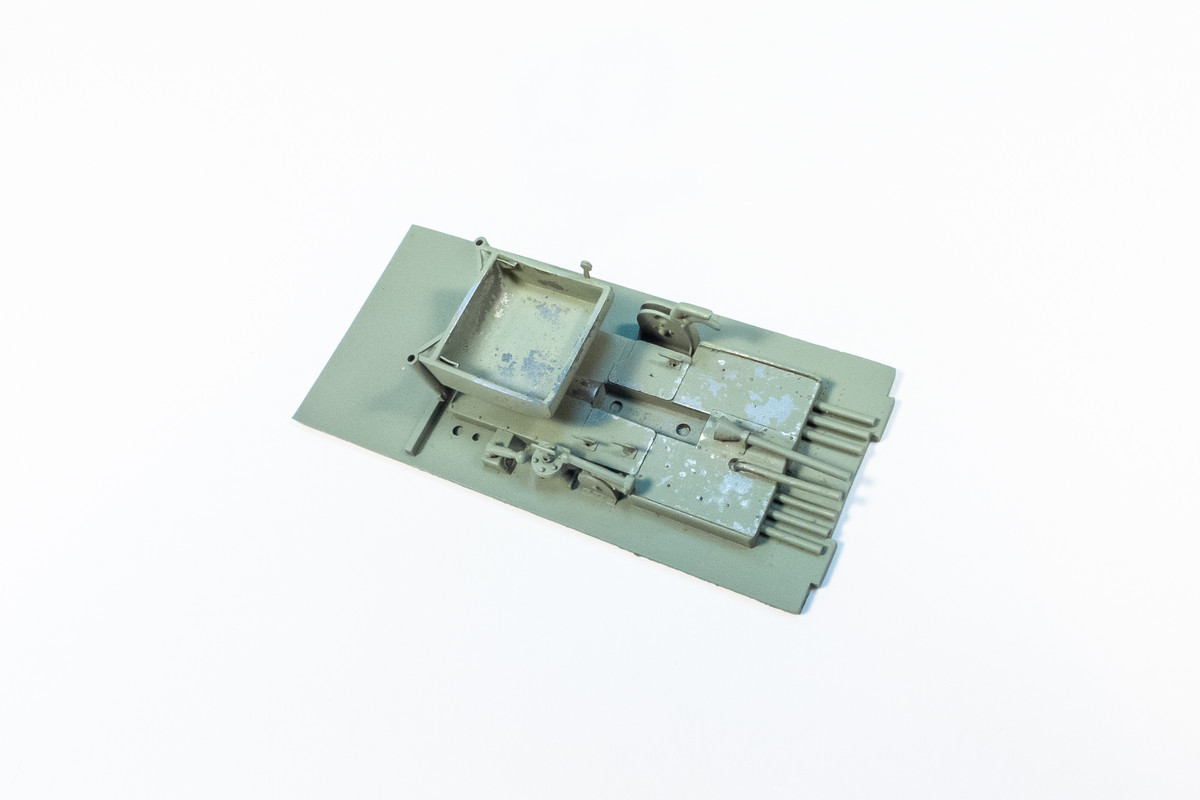
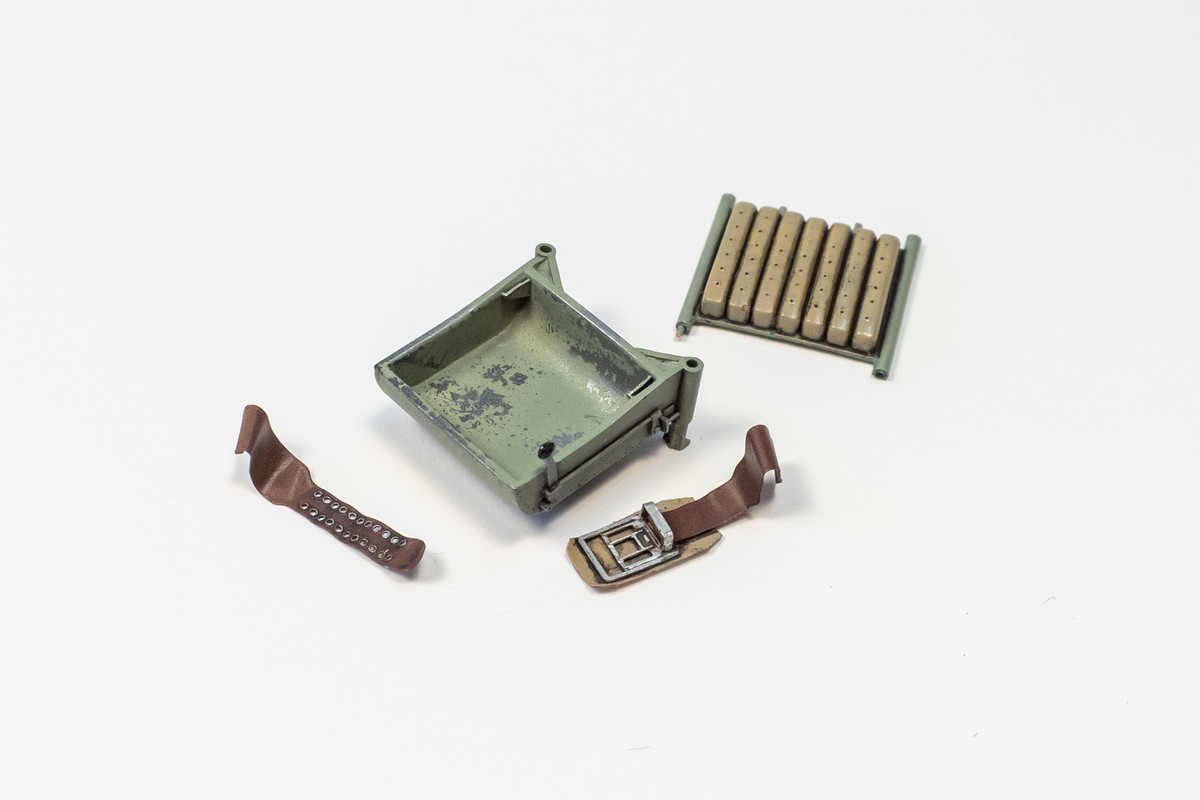
The cockpit floor and seat got a slightly different treatment and a metal color was laid down prior the Grey-Green to incorporate some hairspray chipping.
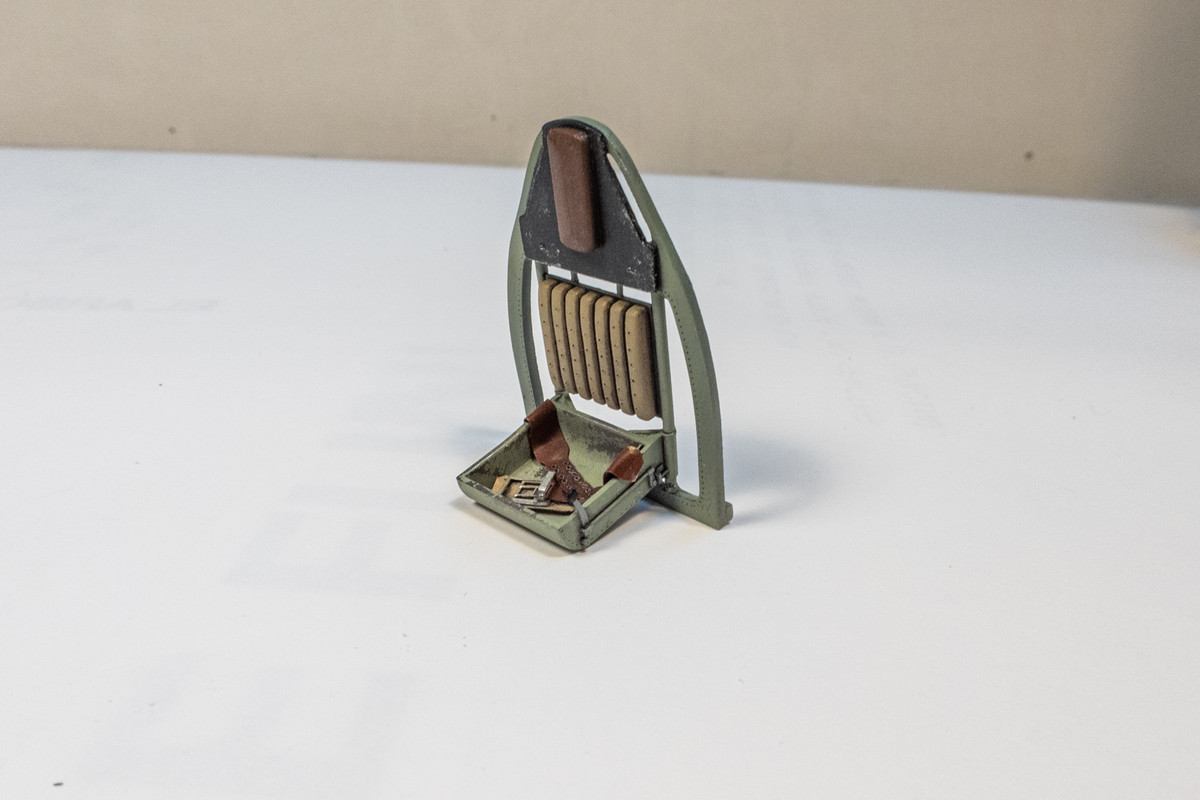
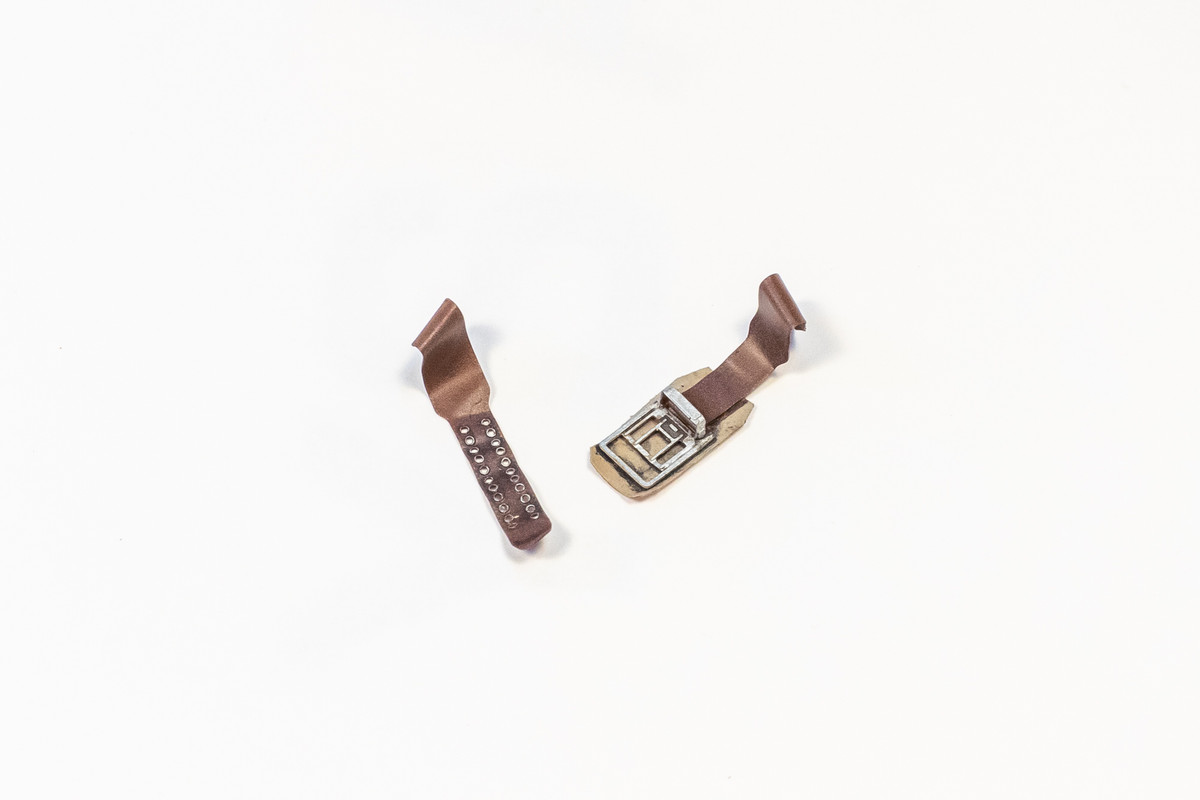
The photoetch lap harnesses hold a pose nicely, so I'm able to paint them apart from the seat.
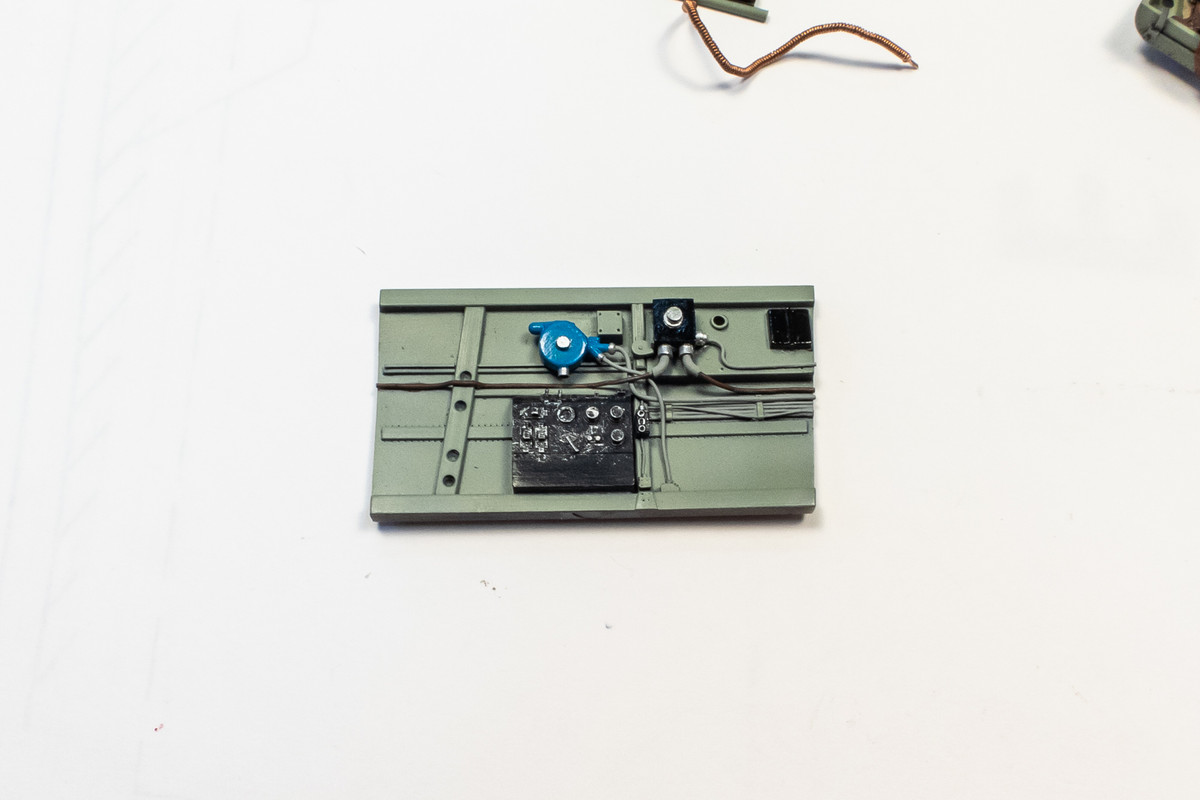
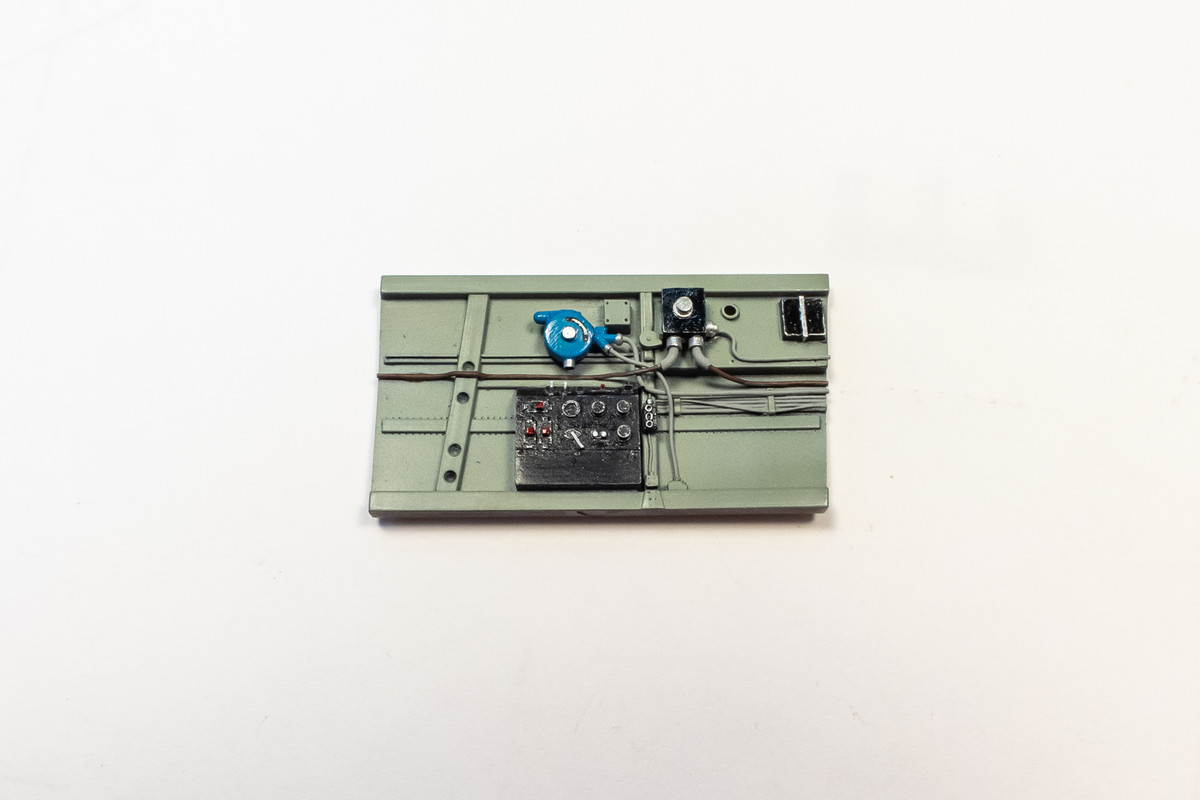
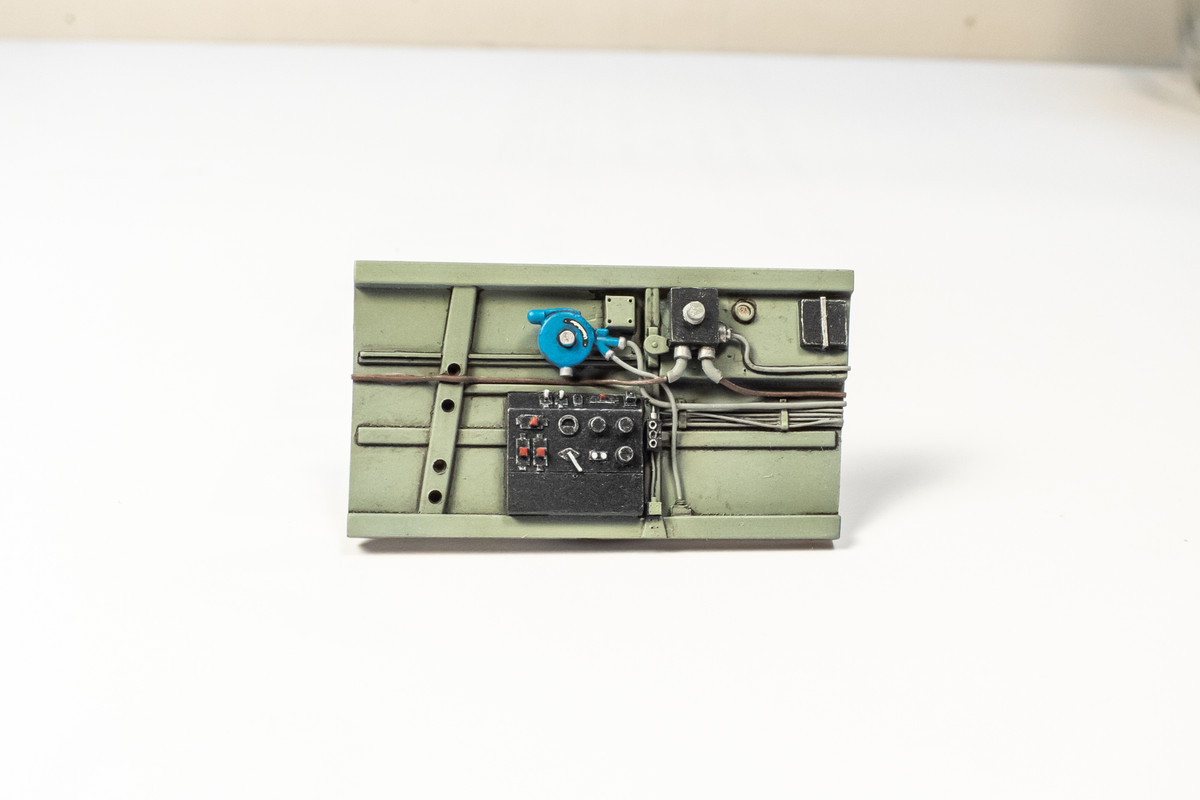
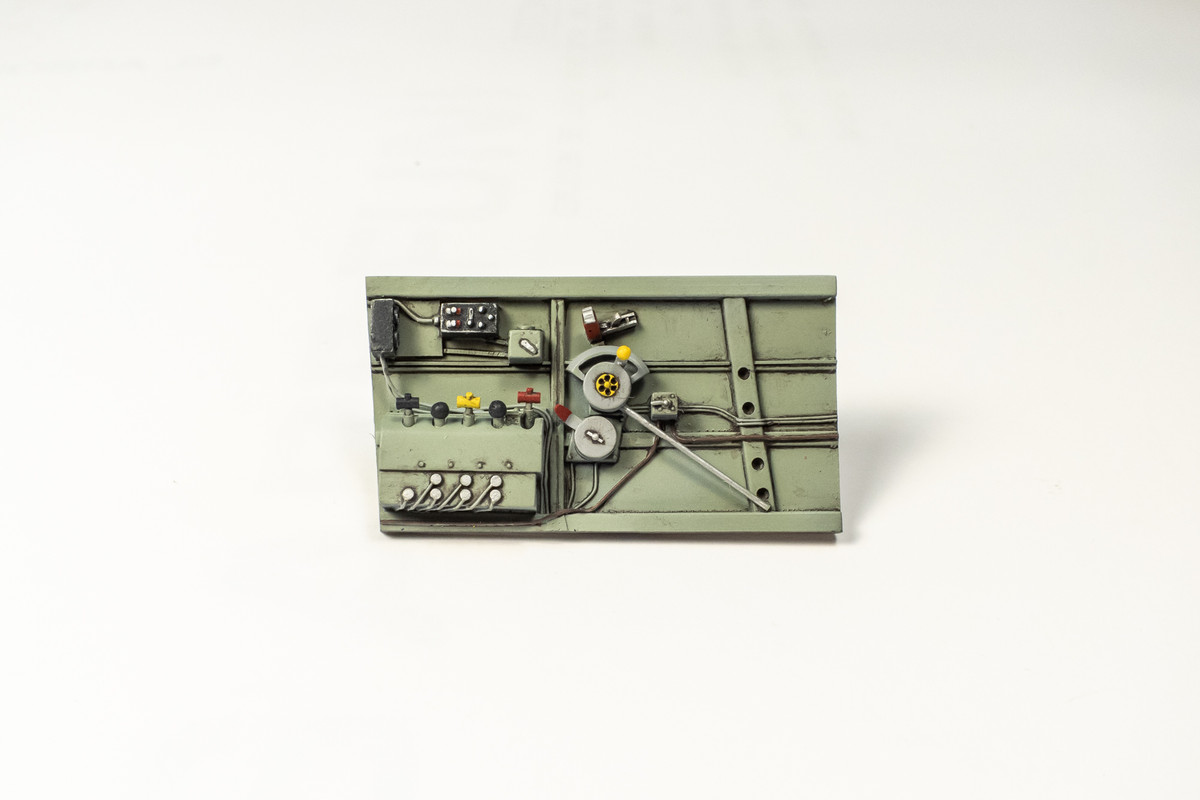
Here are the side panels with some details picked out by brush painting.
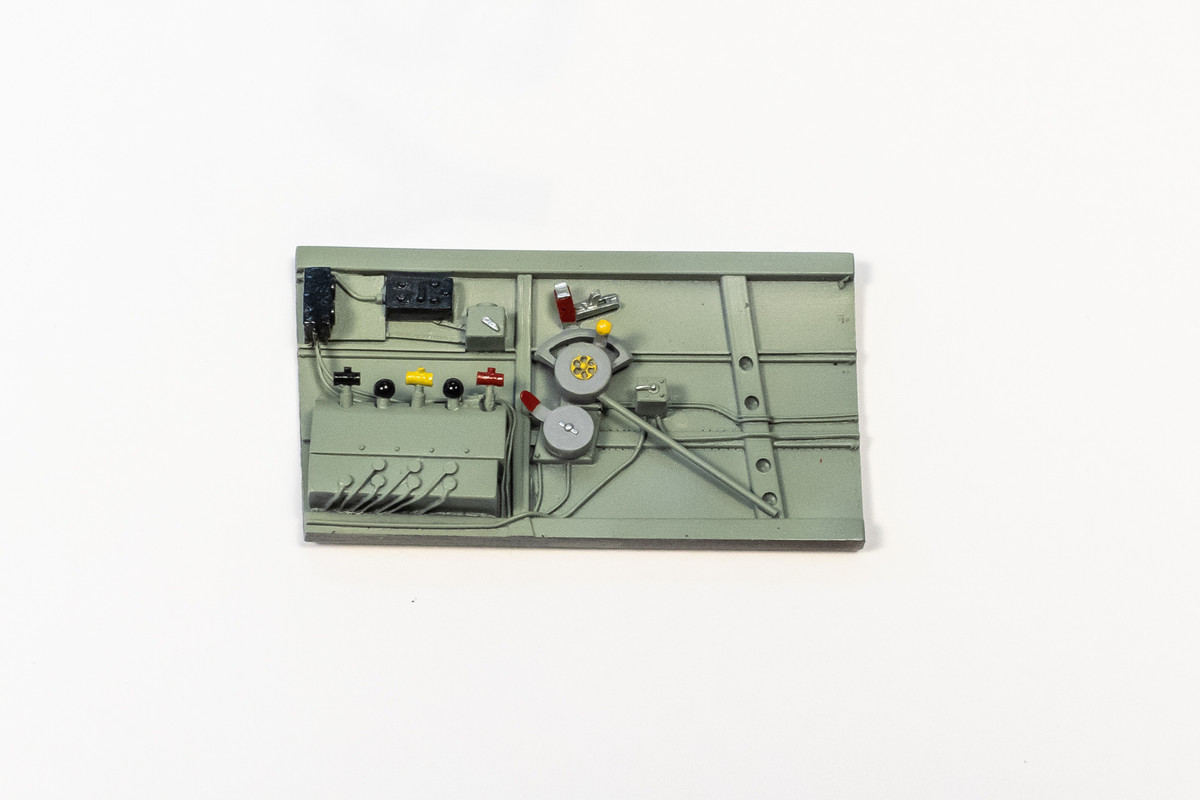
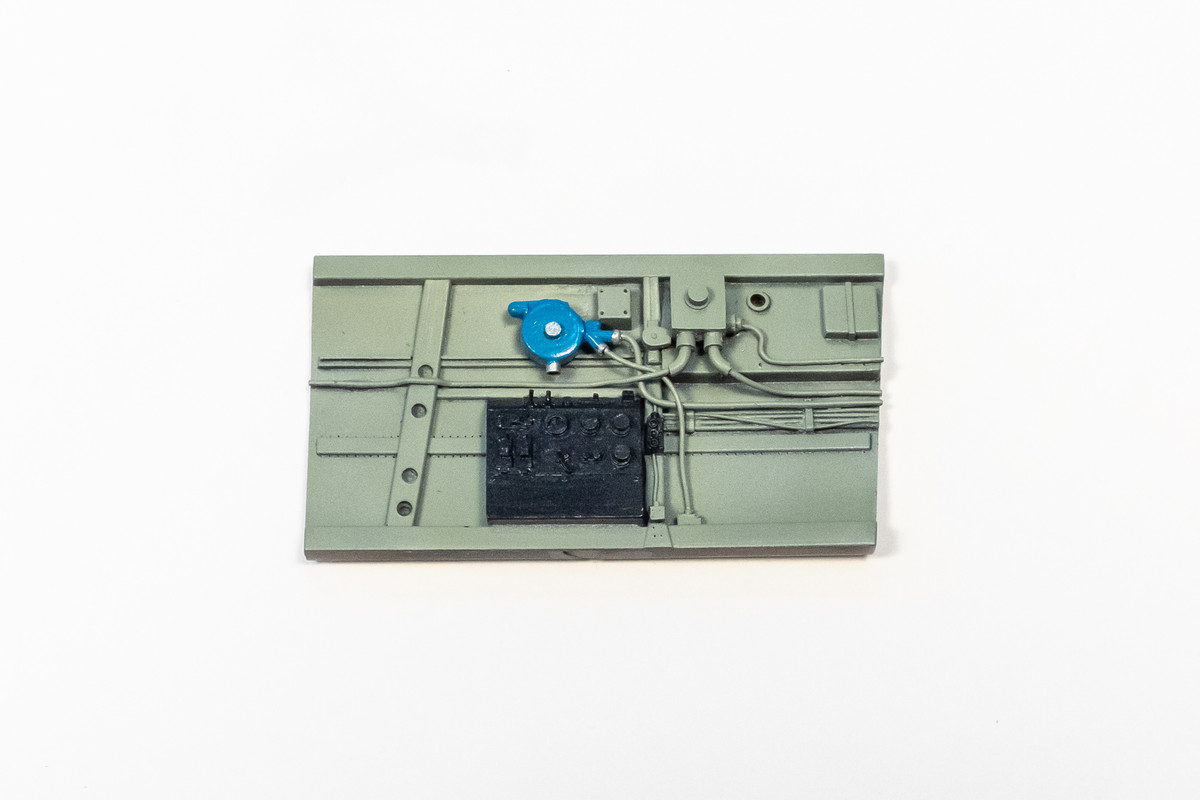
Some more progress on the side panels. The floor is a bit further along and has received a brown pastel wash.

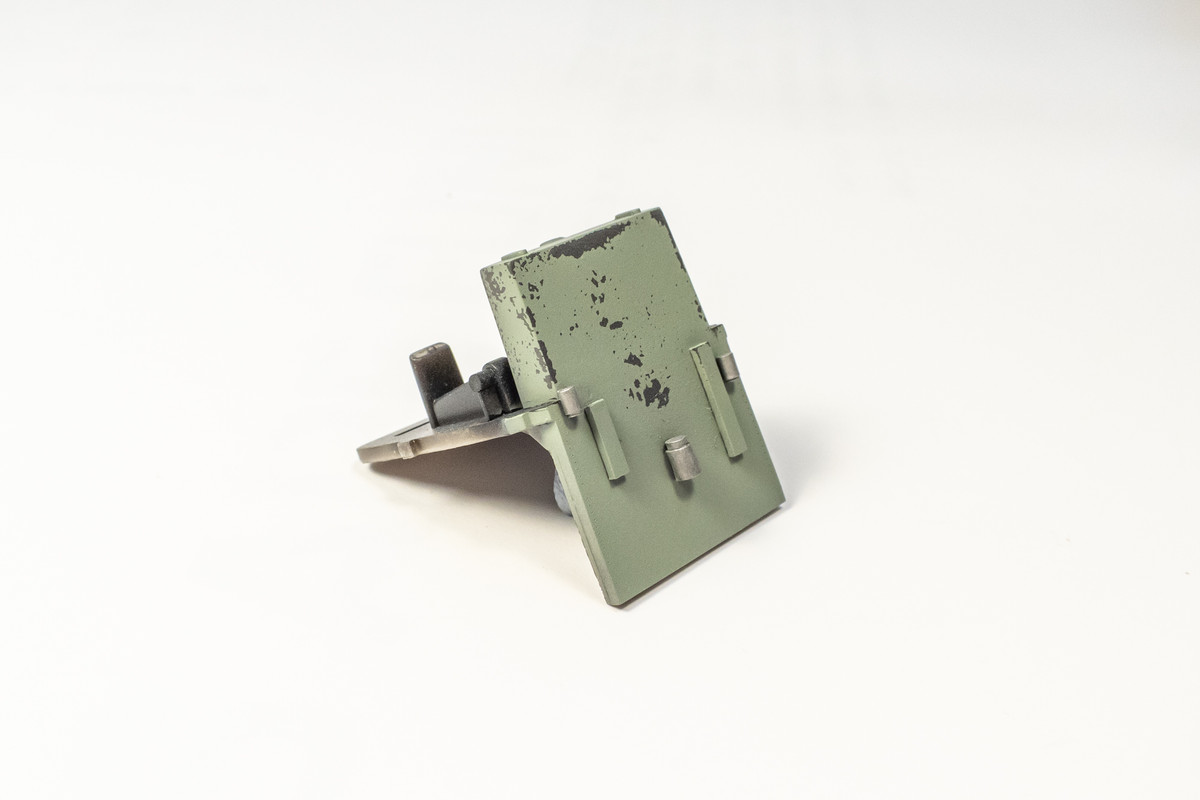
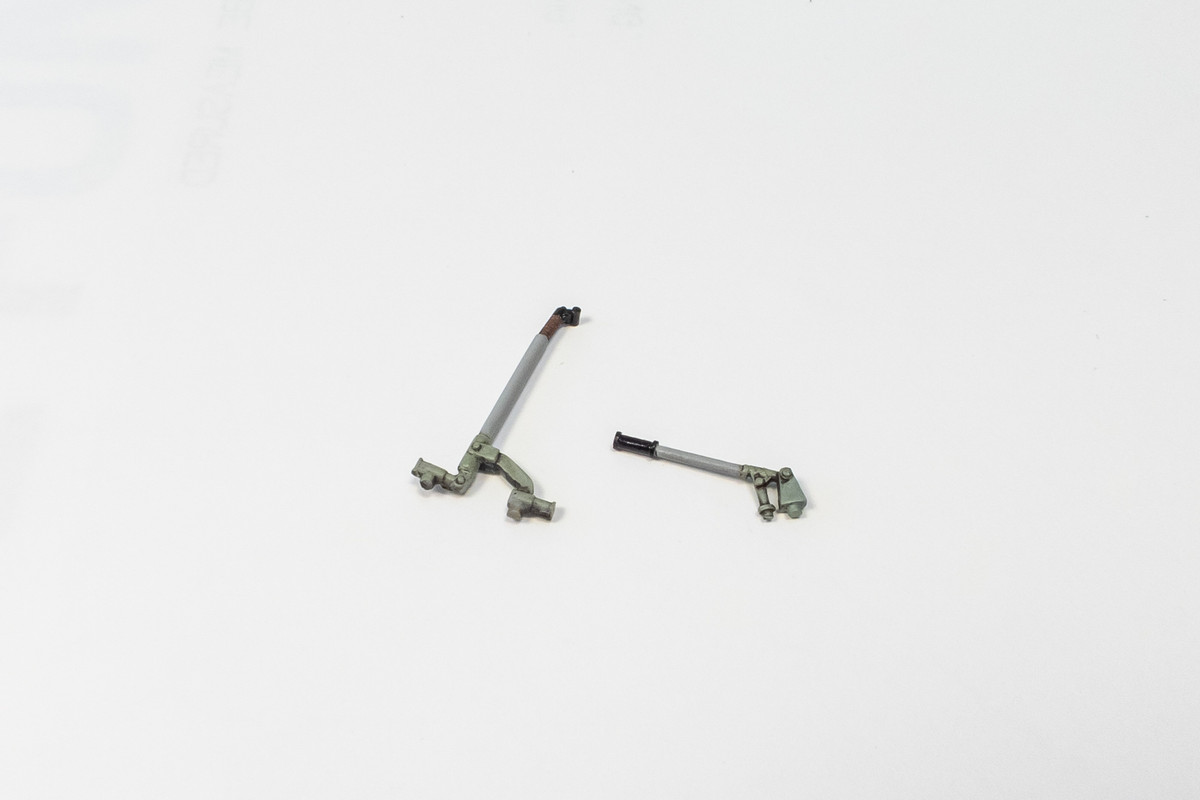
Other cockpit components at various stages in the painting/weathering process.

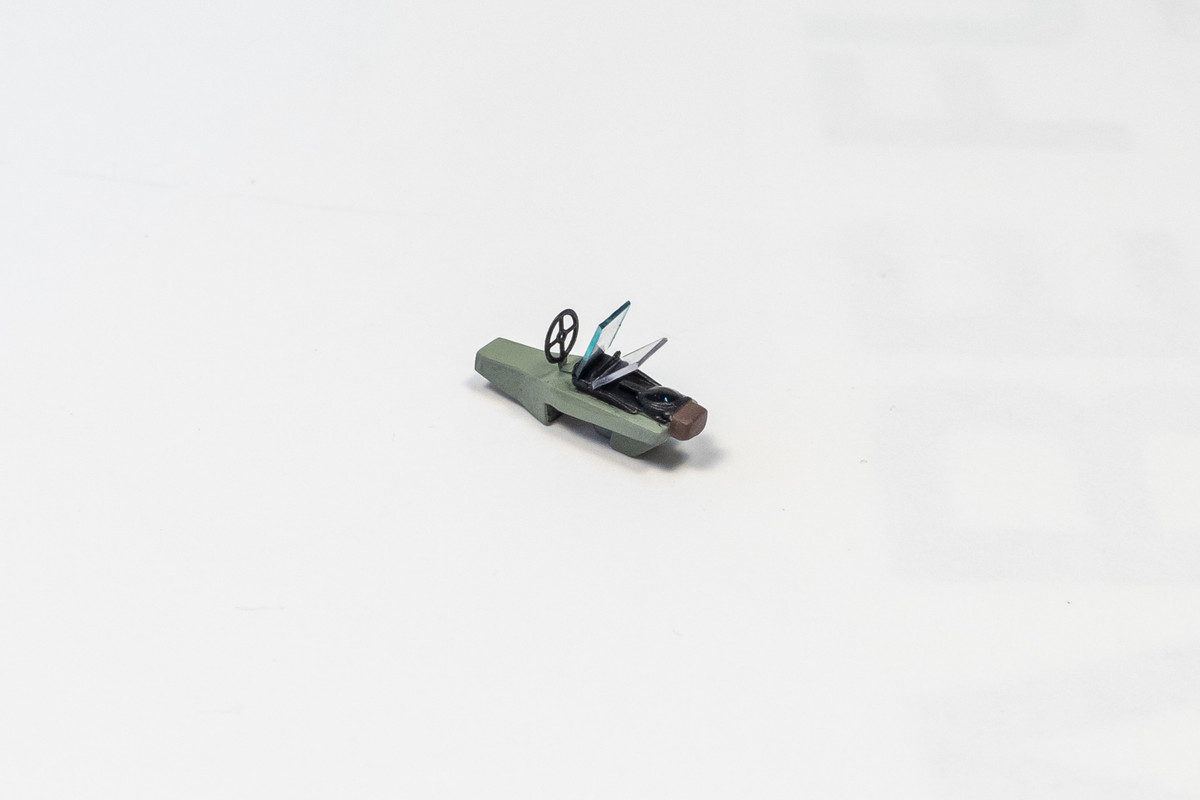
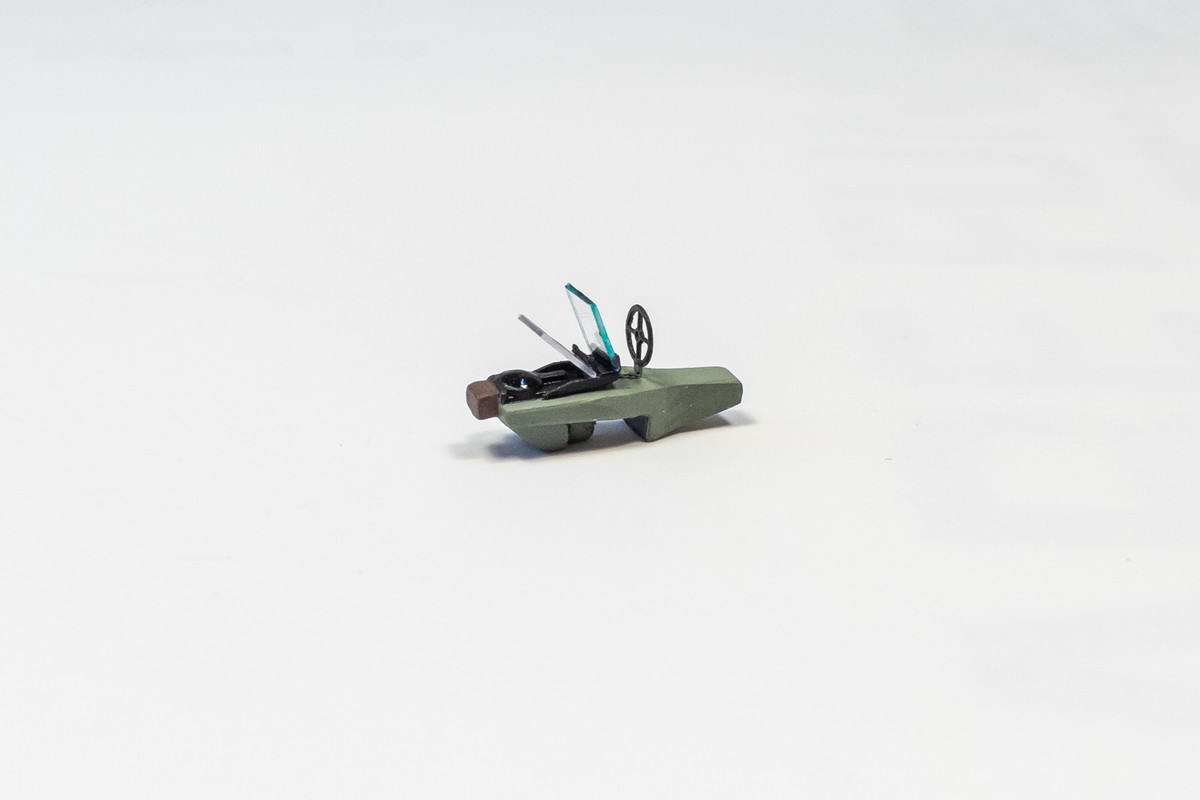
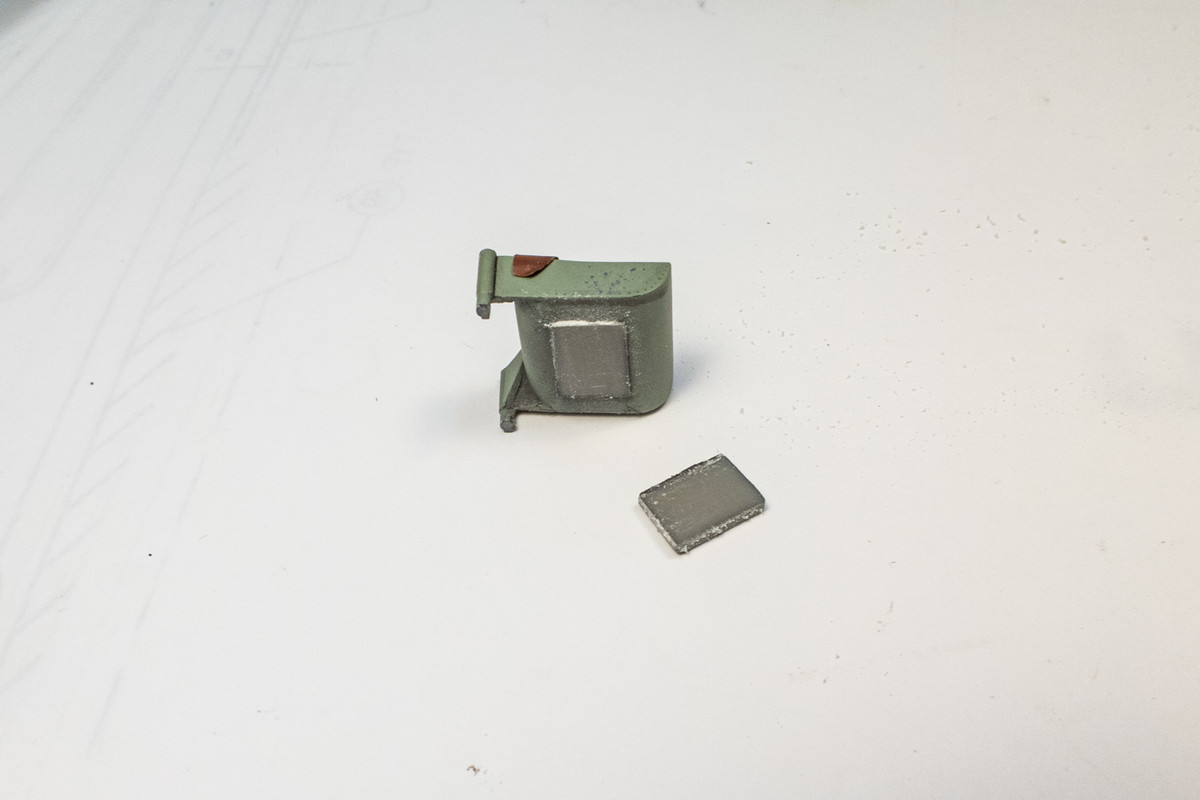
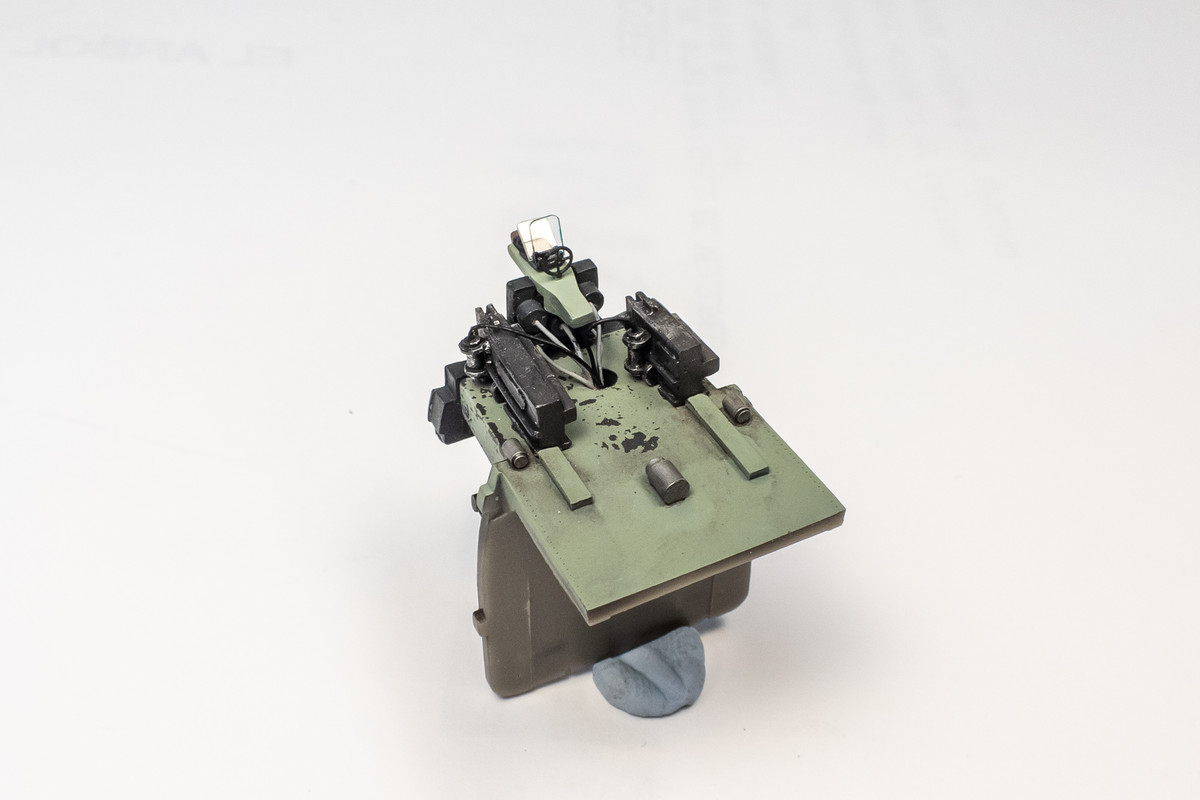
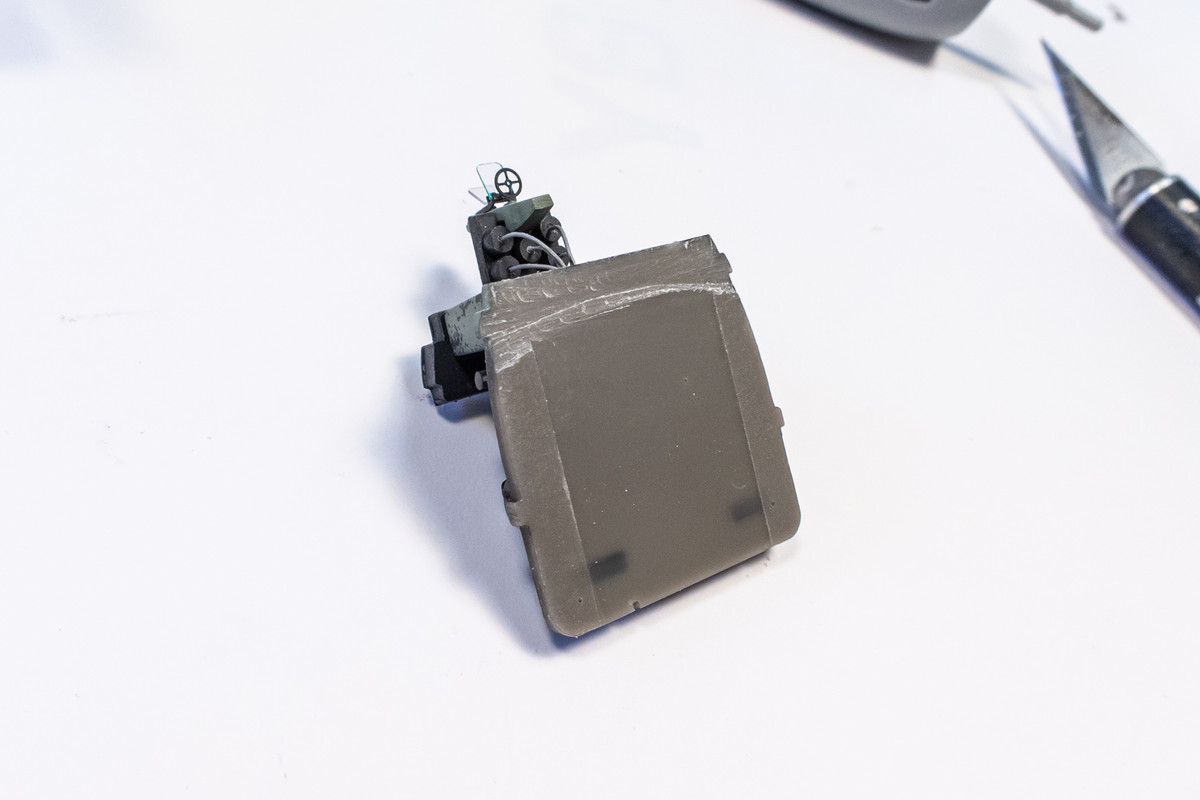
After painting, the gun sight received a flat coat and a drop of UV-activated clear epoxy to serve as the optical element. The glass reflectors are cut from clear acetate and the edge of the rear reflector is enhanced with clear blue-green to give the appearance of thick glass.