1/32 Revell Me262B-1/U1 Nachtjager
Posted: Mon Nov 16, 2020 11:19 am
Time to start another build! My next project will be...
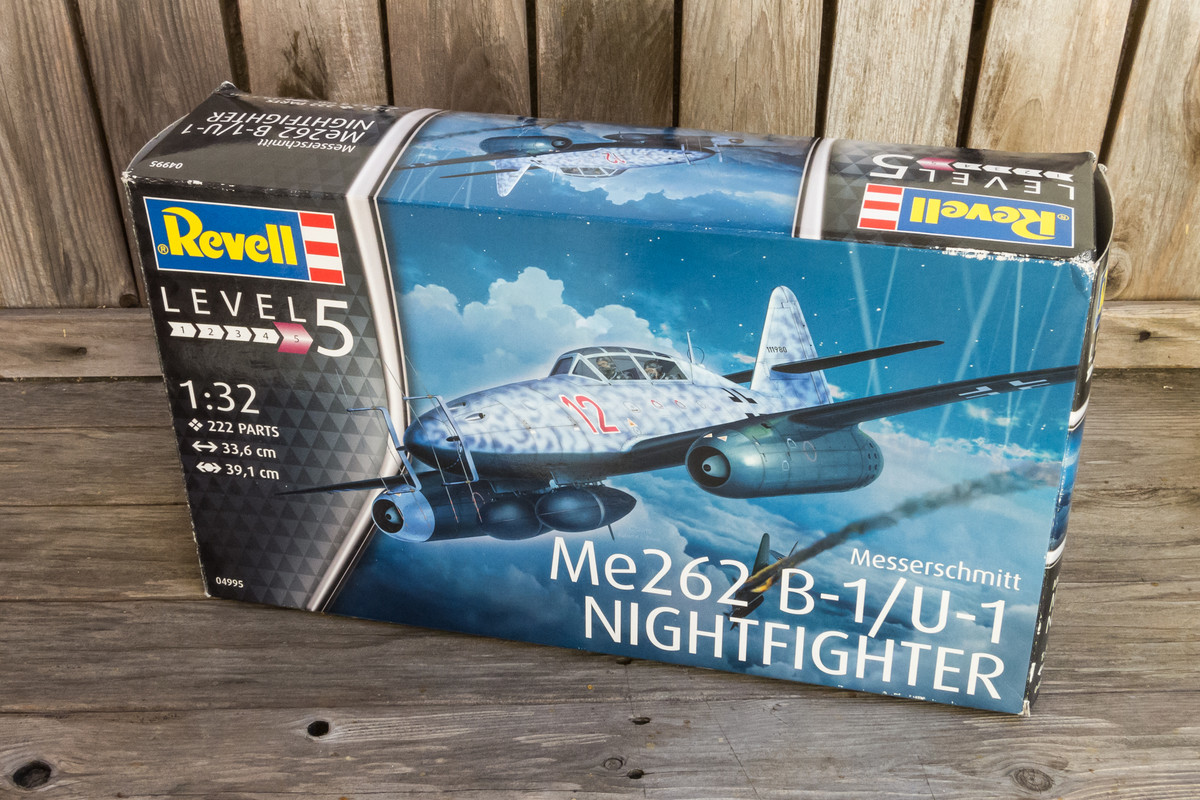
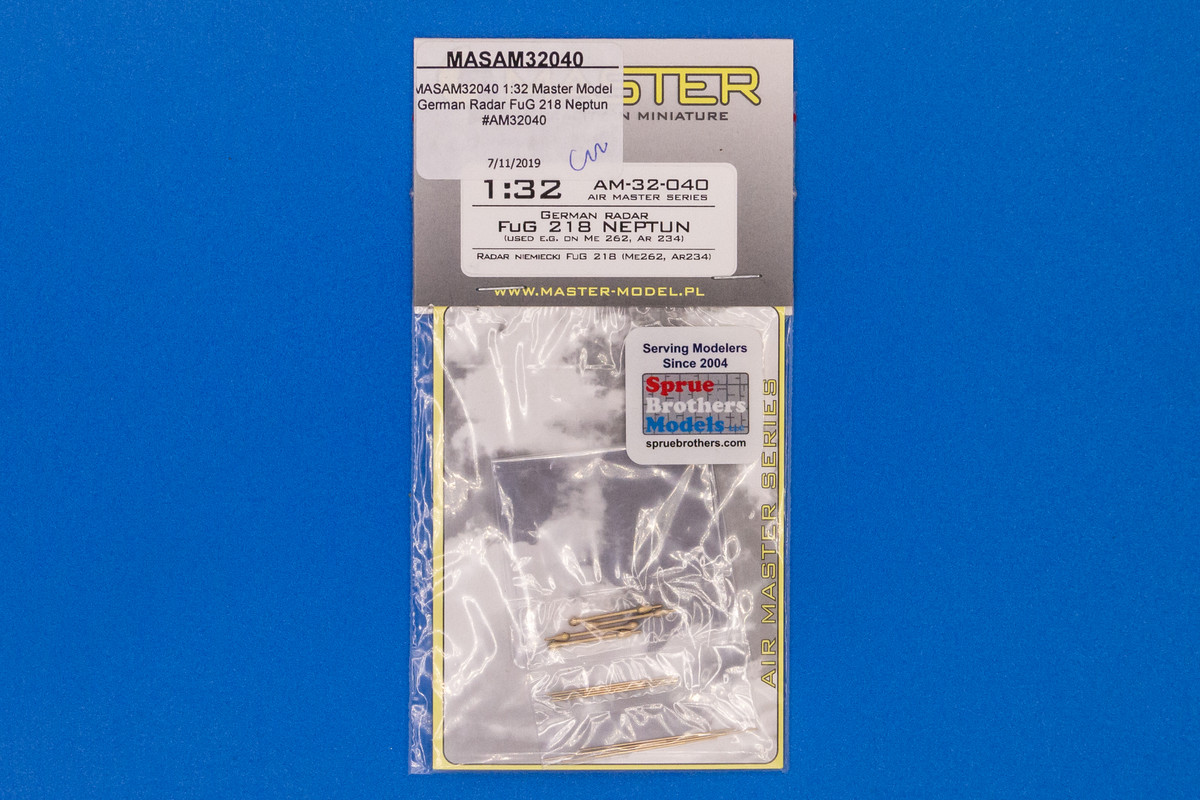
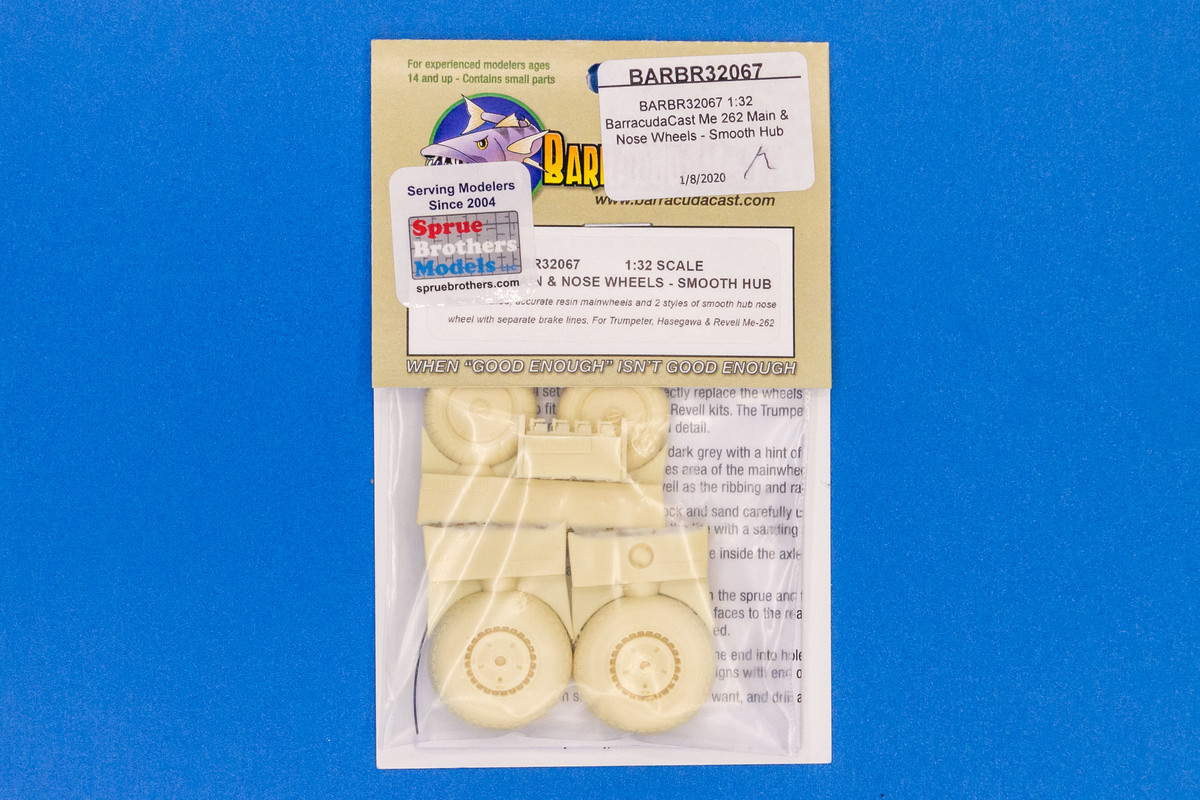
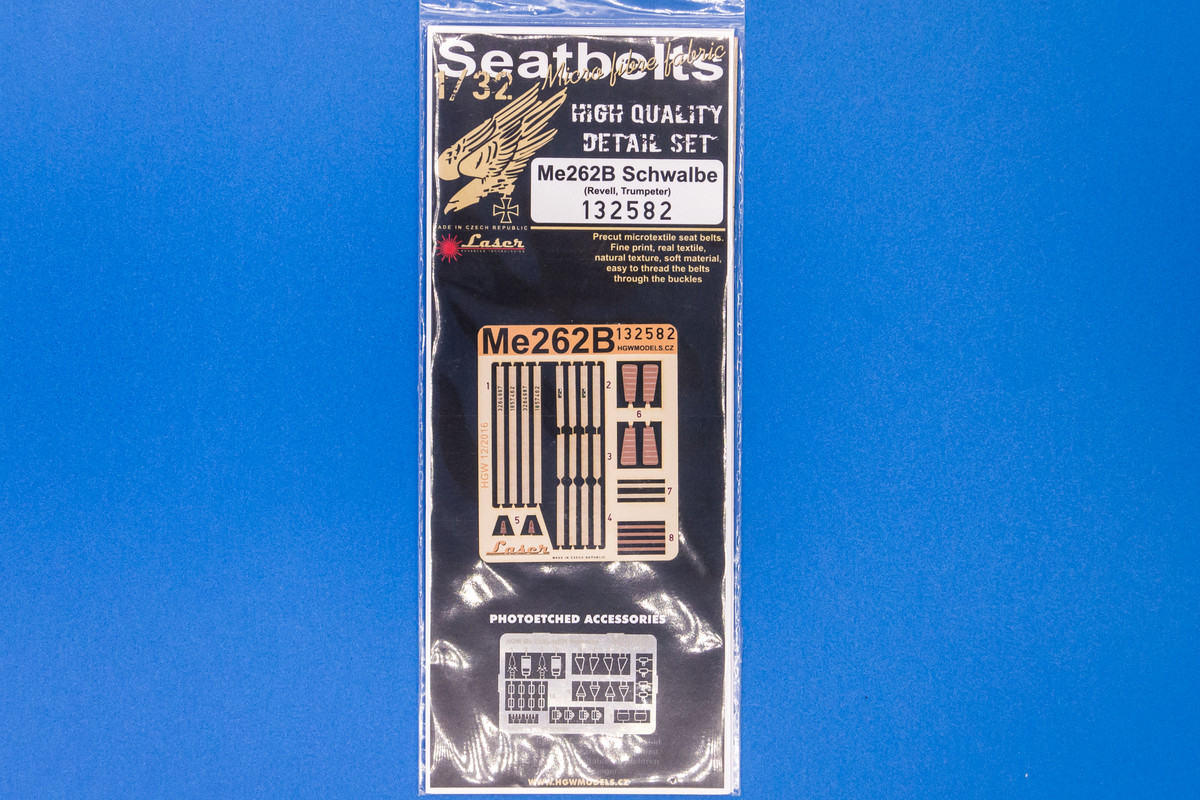
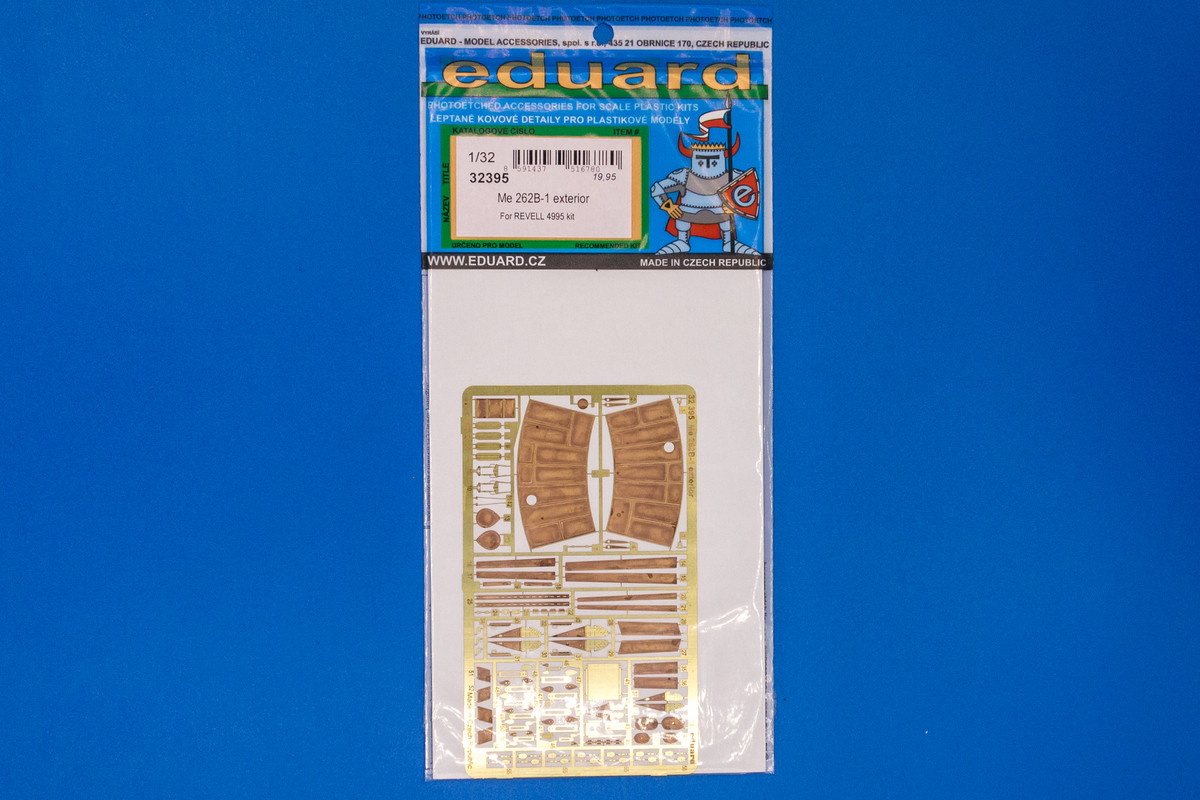
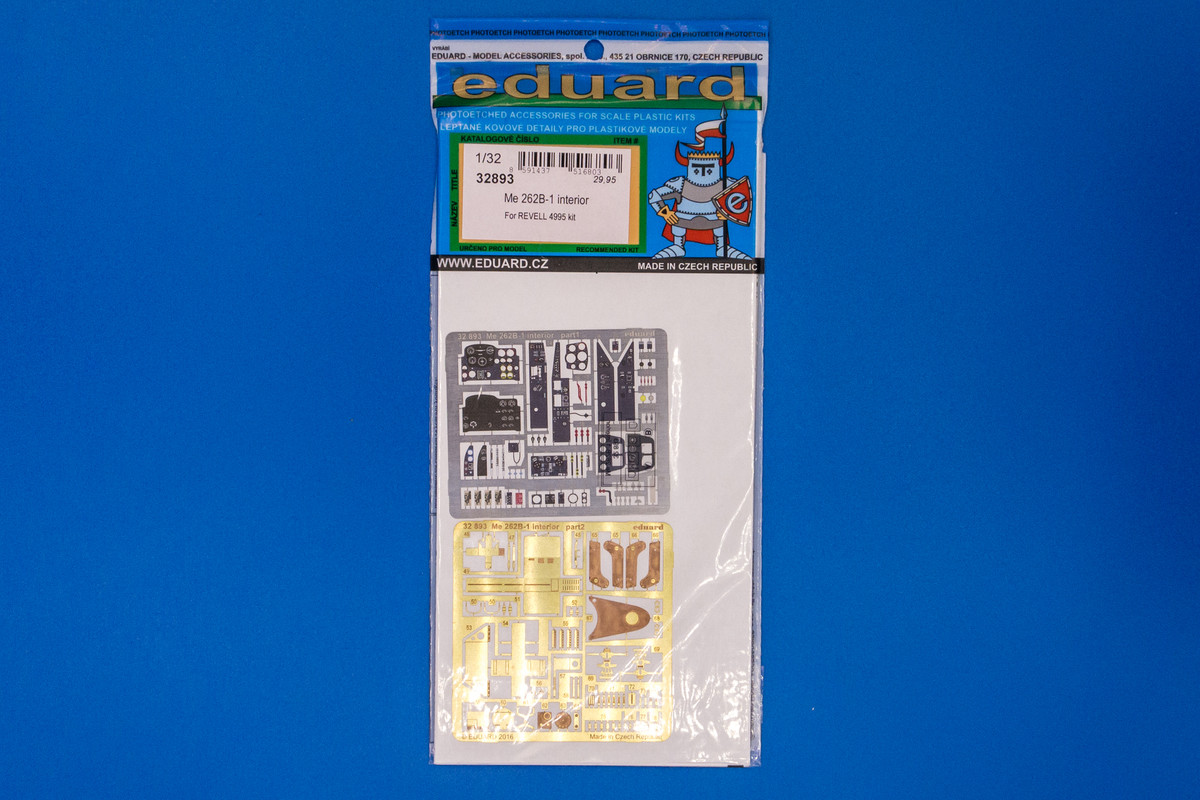
I've built the Trumpeter Me262A and I've been curious to see how Revell has depicted this iconic fighter. But this time around I'll be doing the two-seat nightfighter version. As usual, I'll be throwing a bit of aftermarket stuff into the mix and using my Silhouette Portrait cutter to produce masks for the larger markings. Let's a take a closer look at the kit itself.
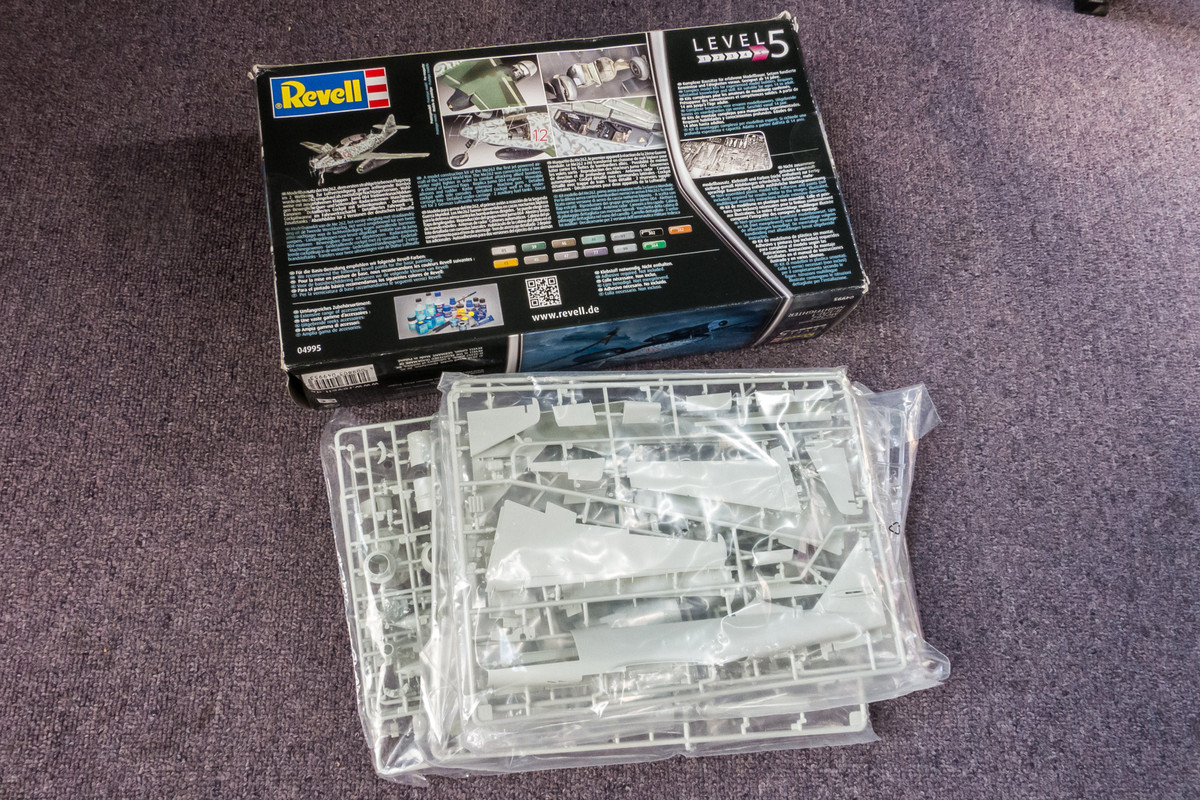
This kit is a relatively new release, coming out in 2016. The Nachtjager comes in Revell's customary end-opening boxes, which I personally am not a fan of. Not only are they flimsier than the normal top-opening boxes, getting the contents in and out of the box is so much more of a hassle. The parts come in a light grey plastic and the frets are separated, two apiece, in plastic bags.
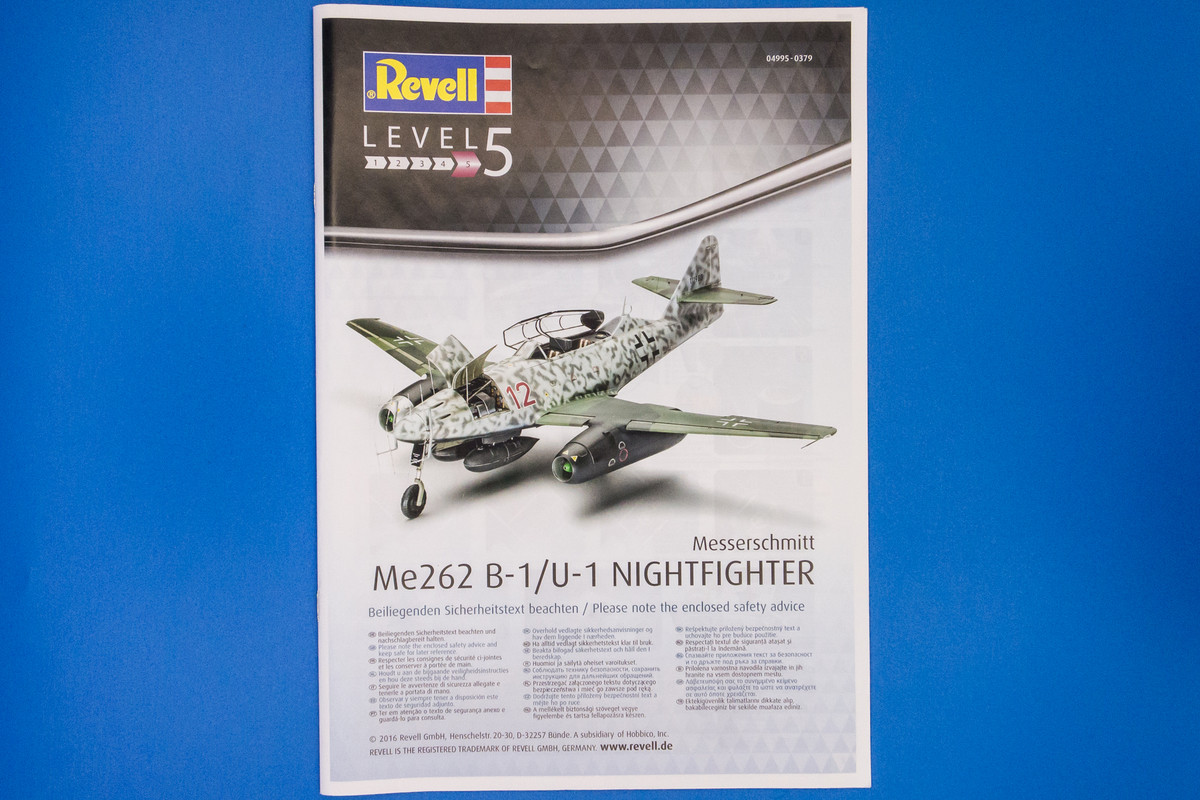
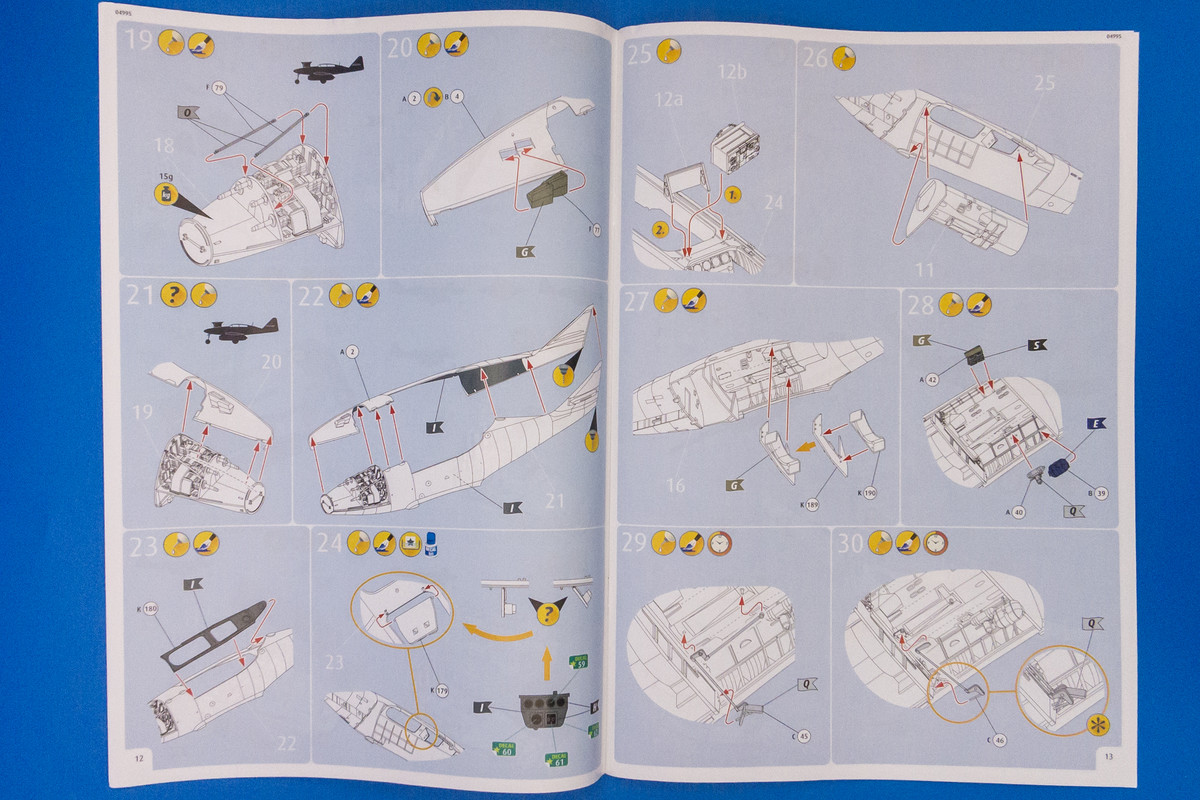
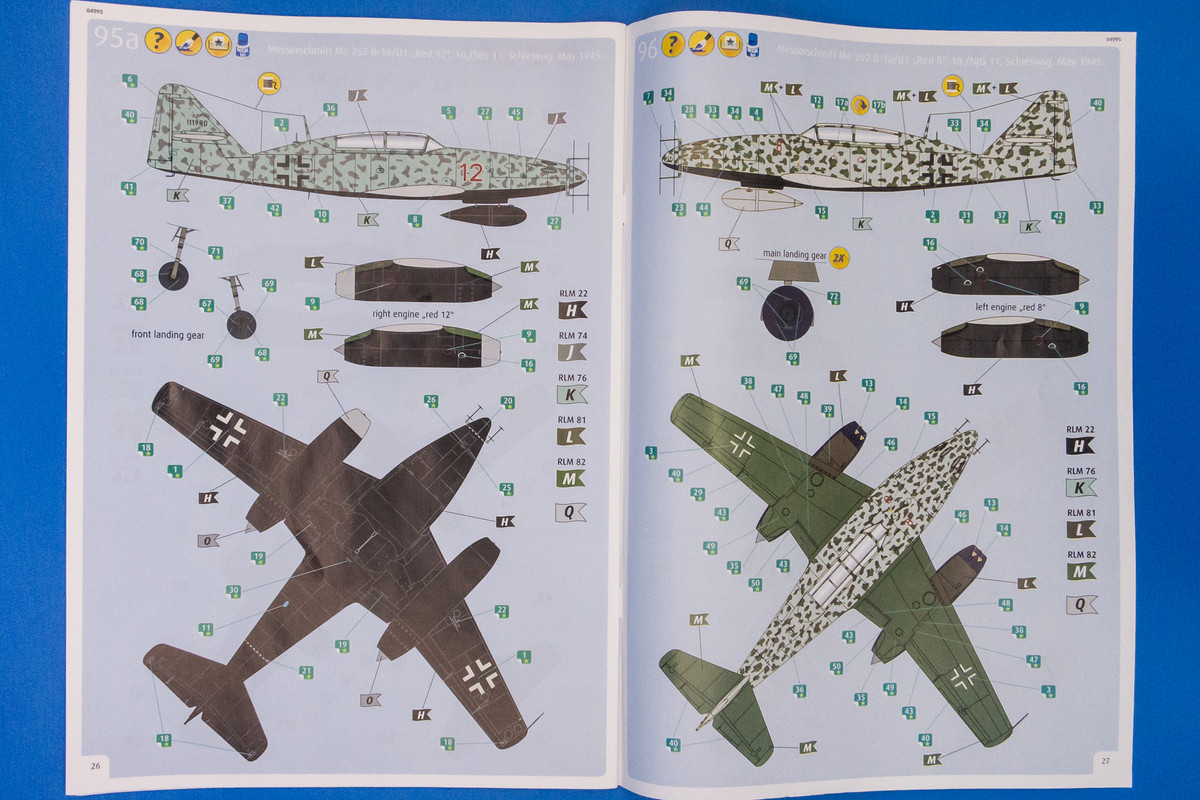
Revell has upgraded its instructions from black and white to color. International pictographs with little written instructions are still the primary form of communication. The full color palette on the profile drawings are a nice touch.
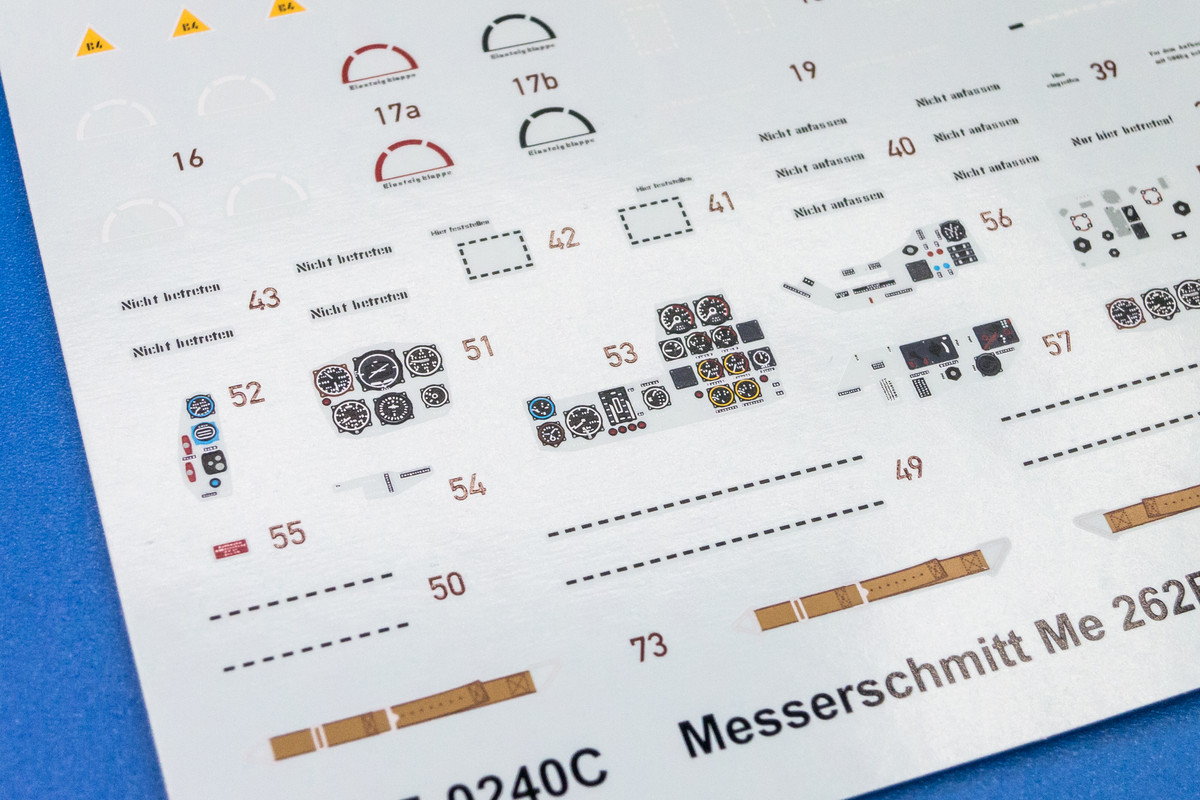
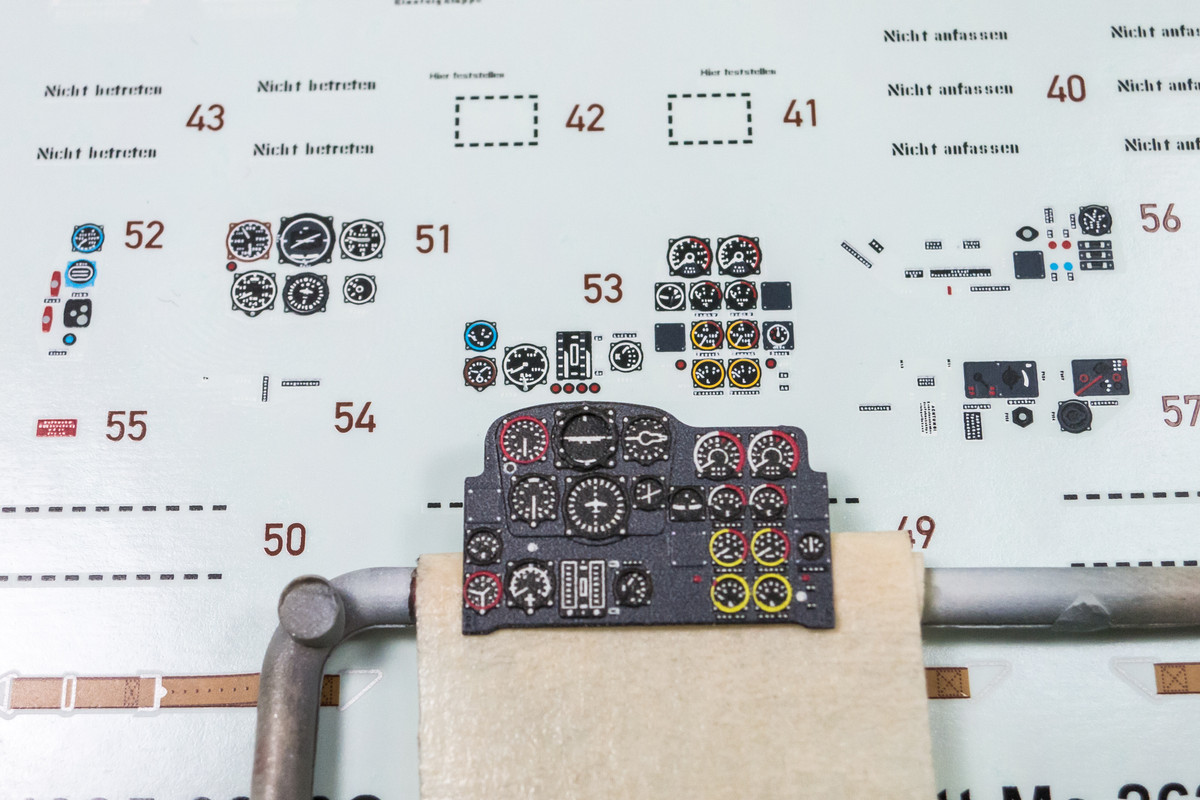
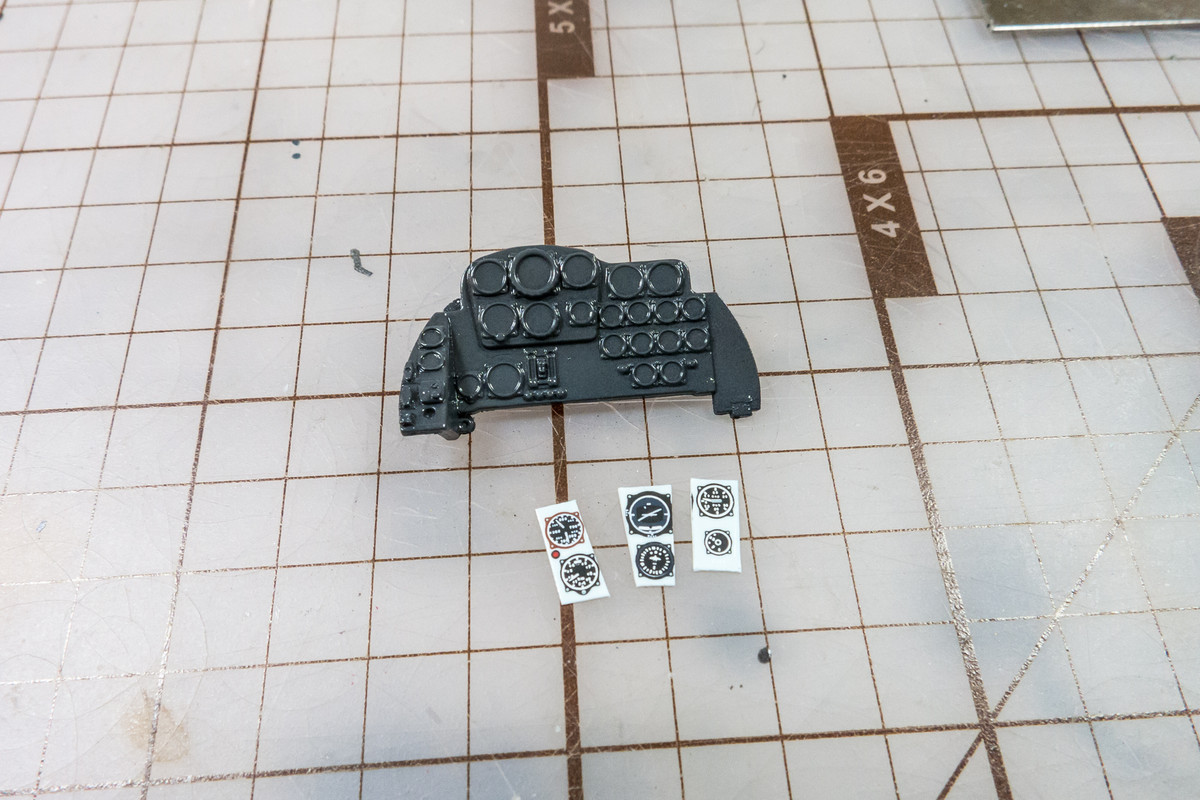
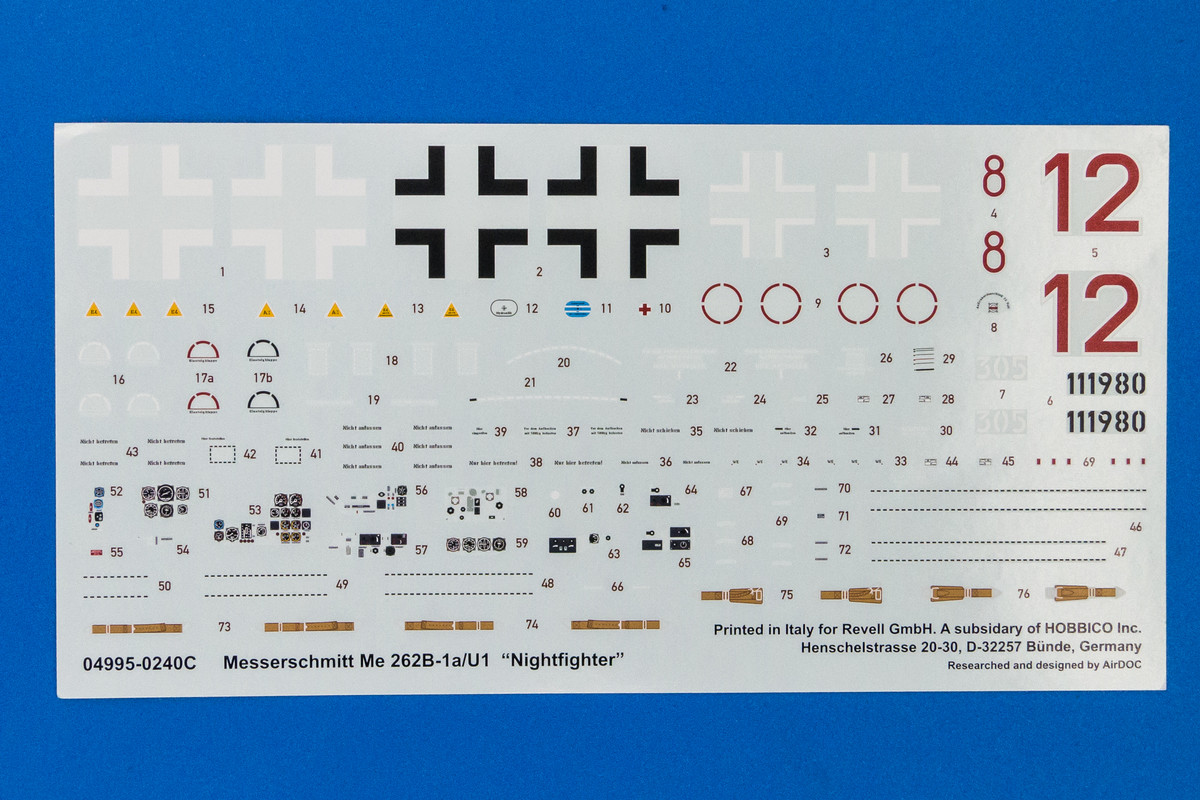
For such a large aircraft, the small decal sheet is a bit of a surprise but these nightfighters were quite sparse when it came to markings. The decals have a matt surface and are labelled as "Printed in Italy" (Cartograf?). Decal printing seems to be of very high quality and includes not only the instrument panels but decals for the side panels as well.
The clear parts look pretty good. Due to the windshield becoming loose in the bag, it suffered from a small spot scratch which will need to be polished out when the time comes.
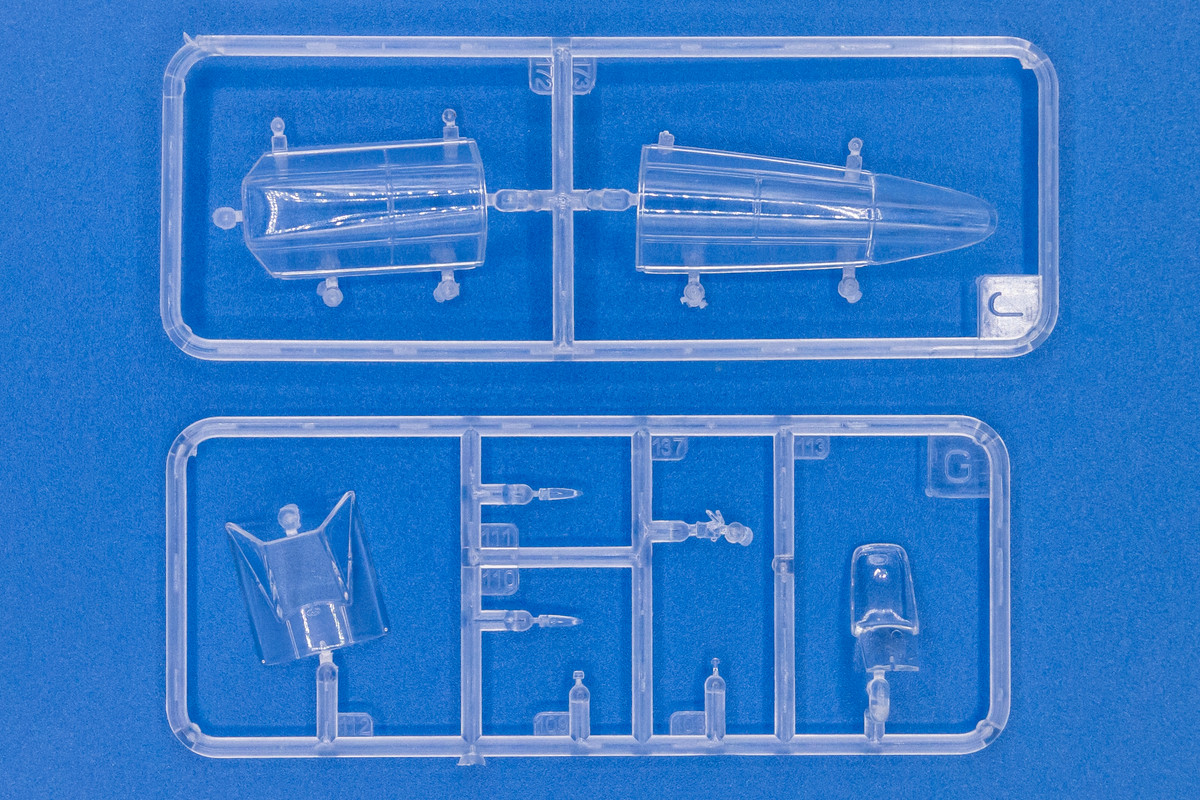
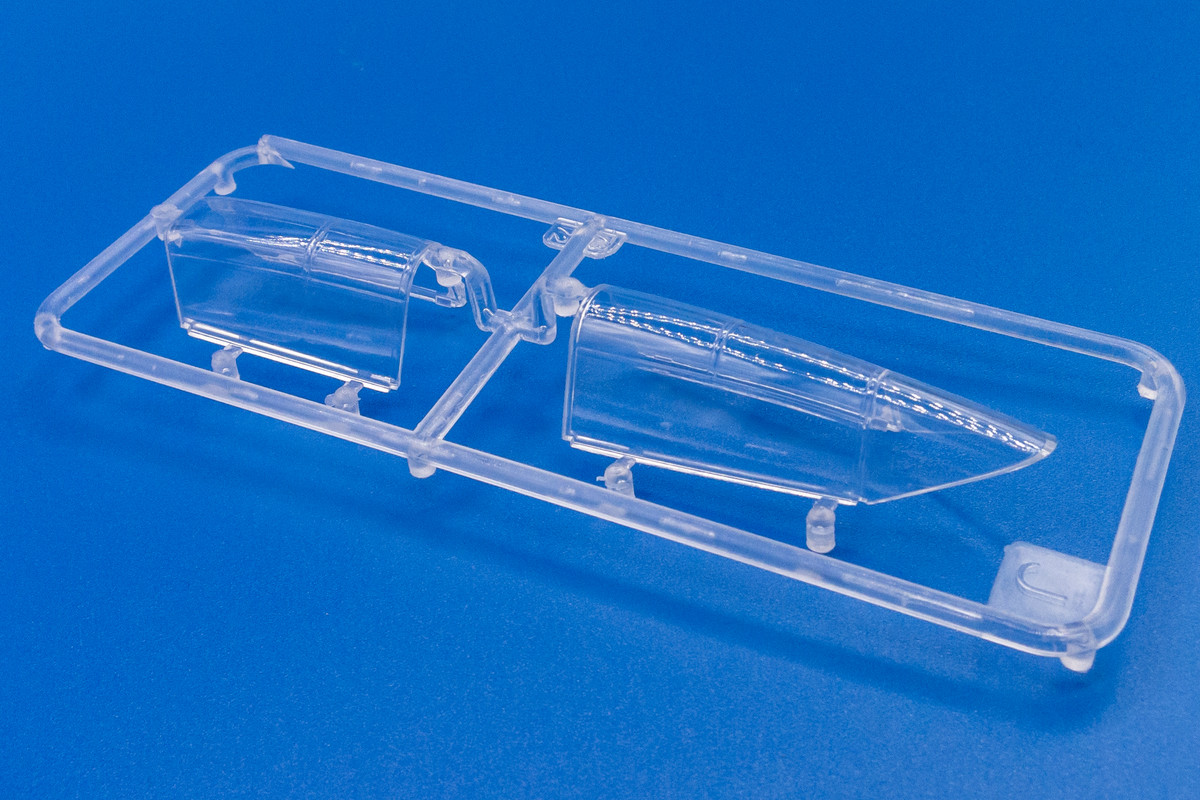
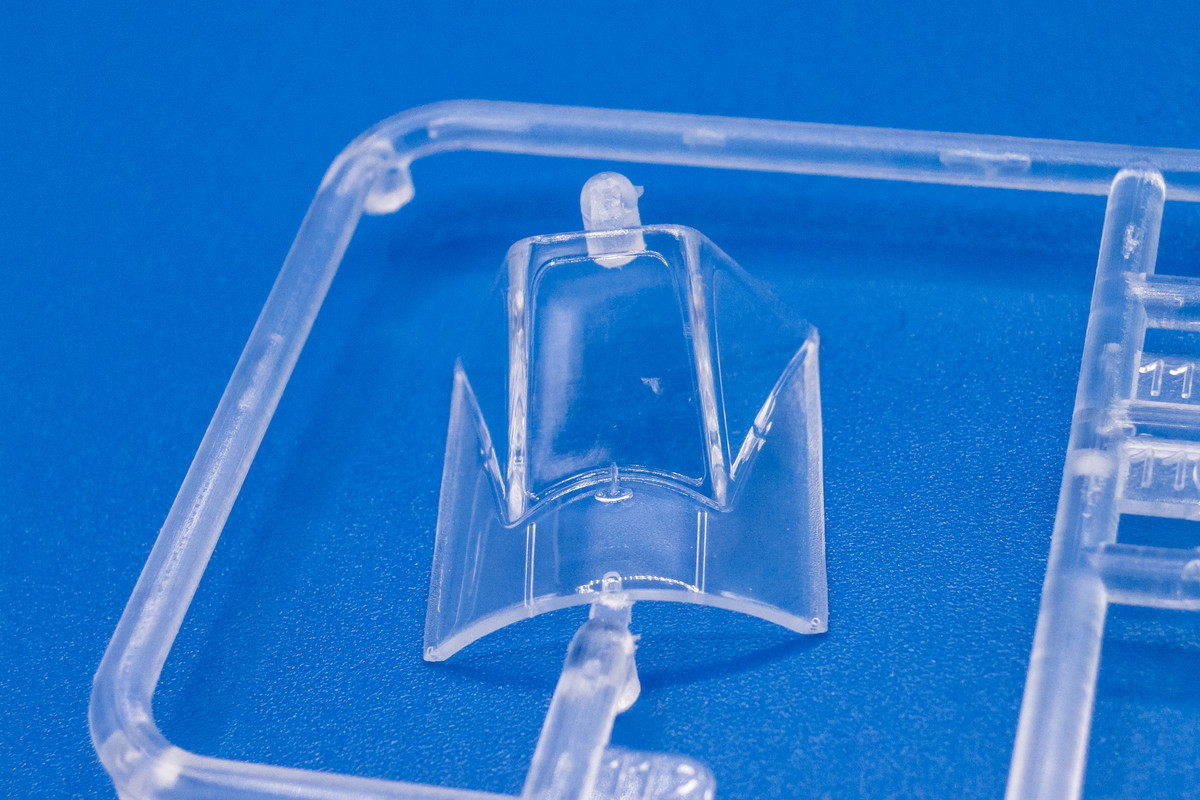
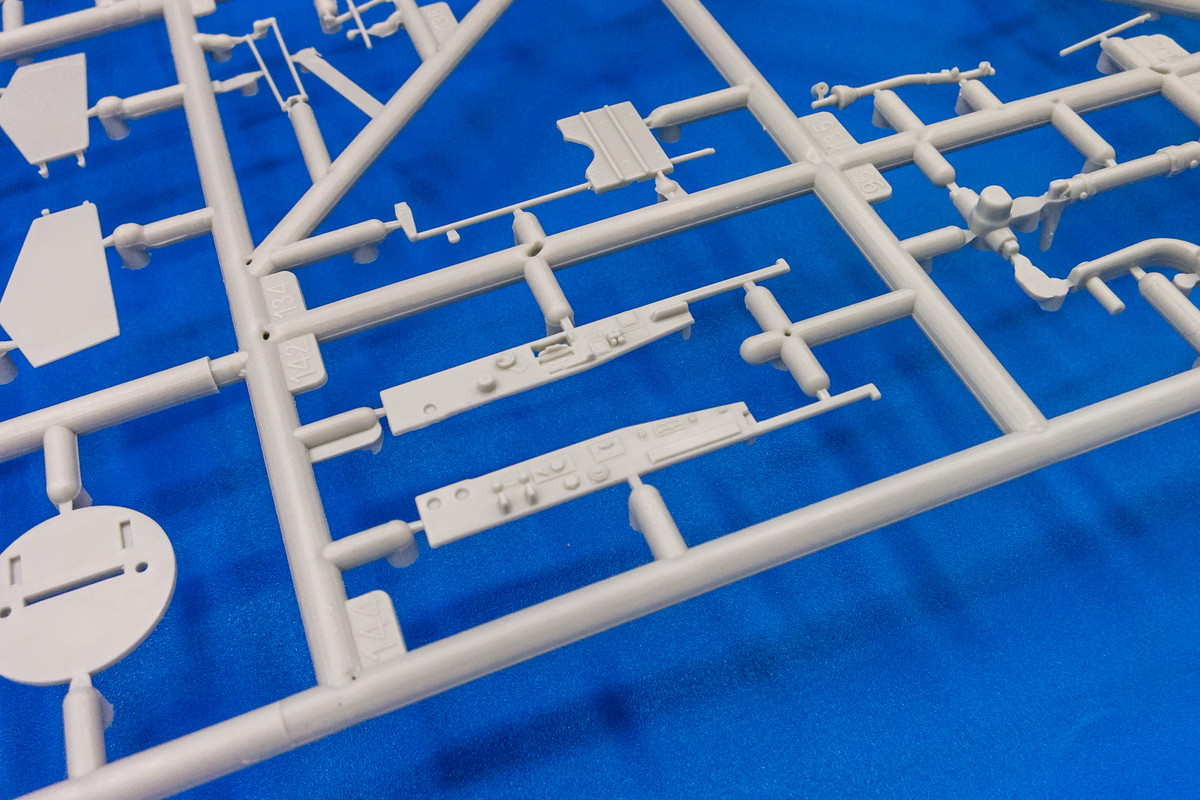
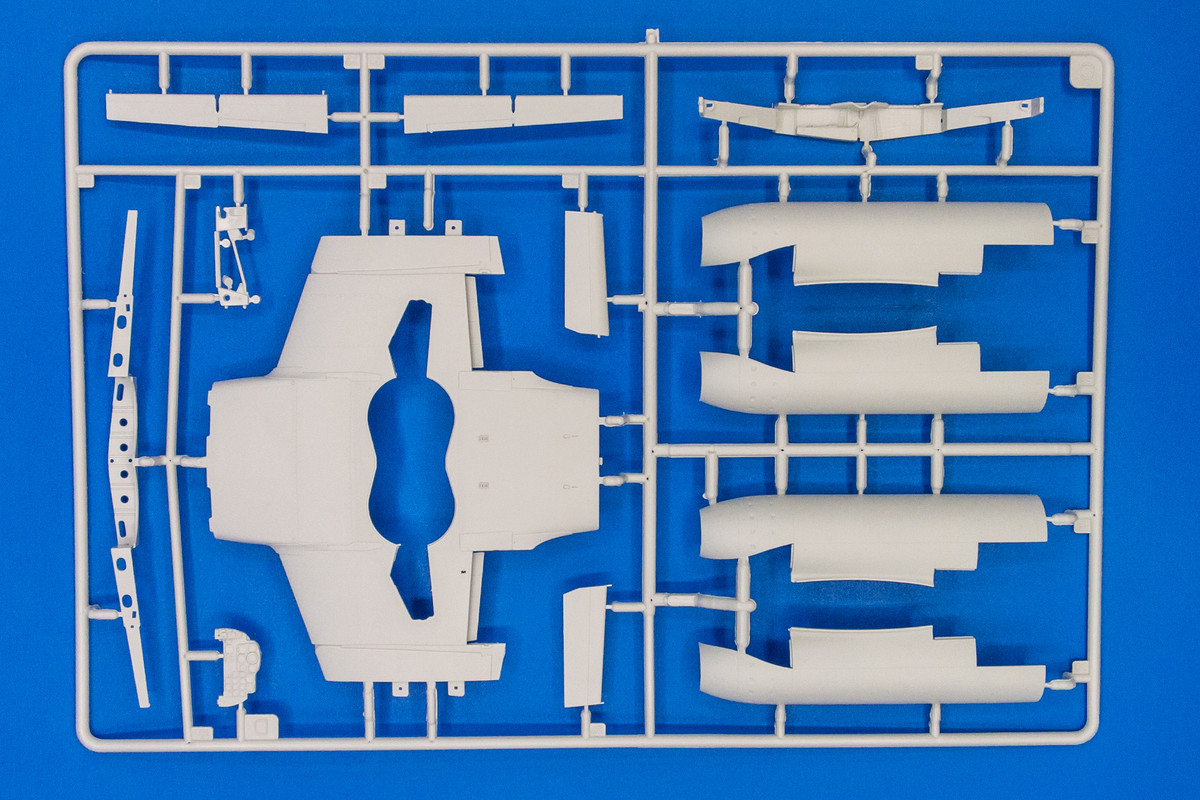
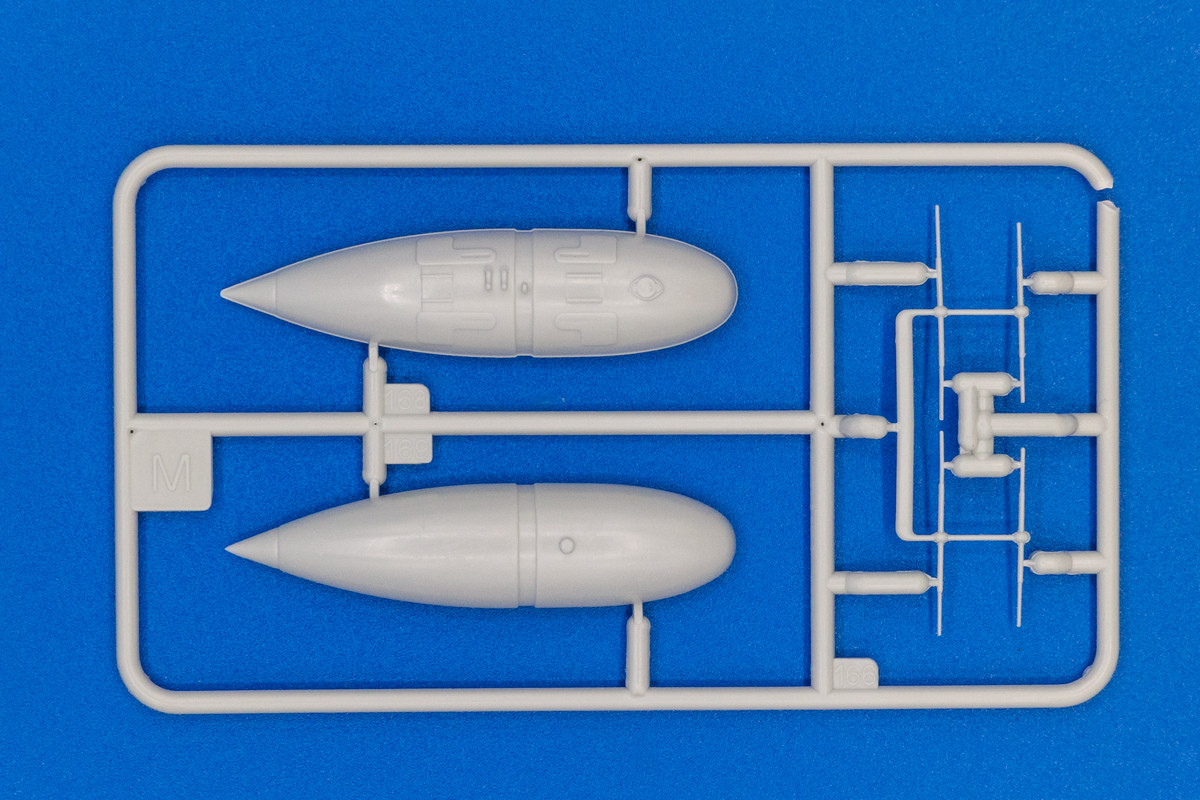
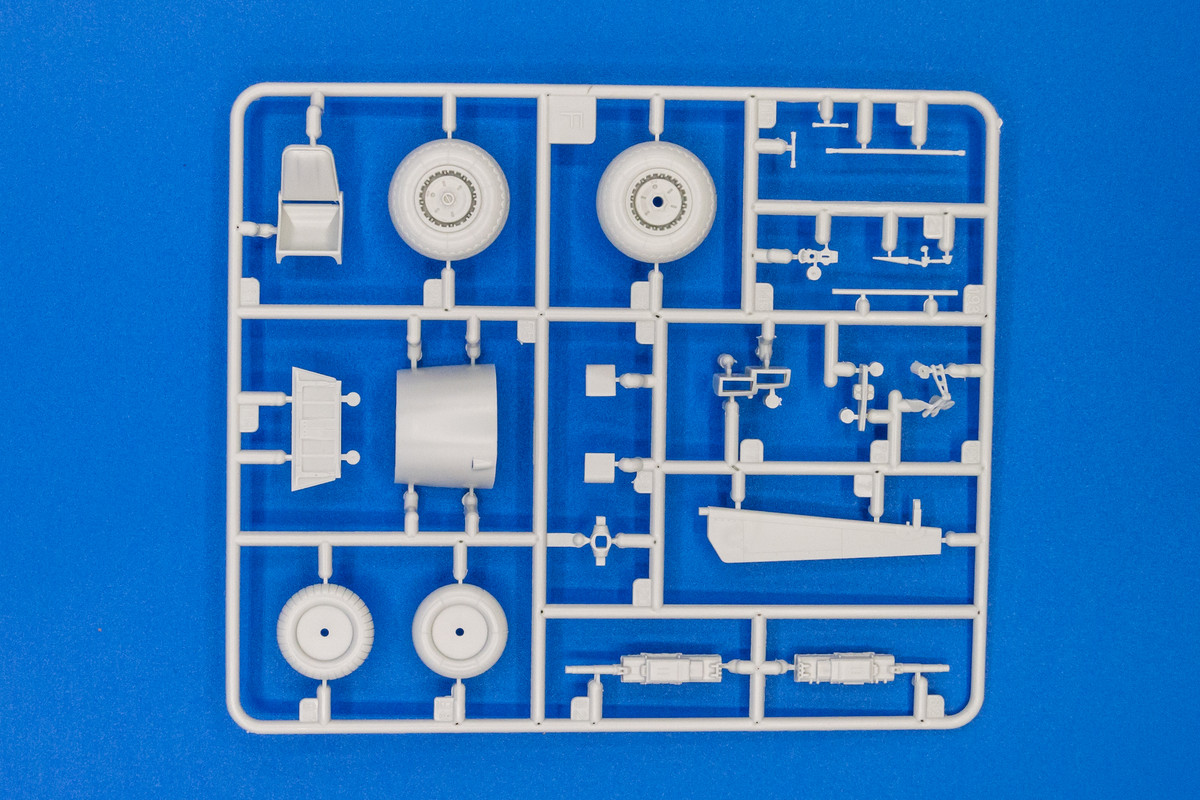
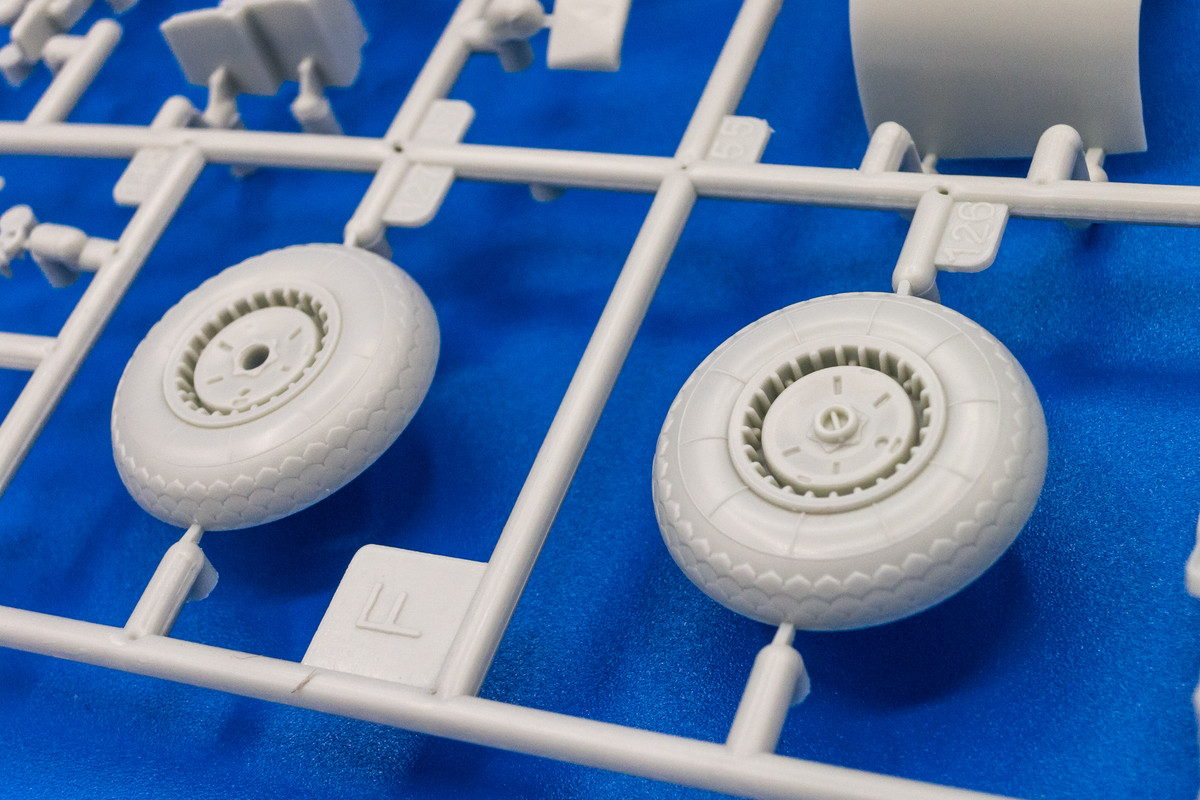
Overall mold quality looks very good. Interesting that the side panels are not flat-faced but feature molded detail, which seems to conflict with the use of decals... can't tell whether this is a good or bad thing.
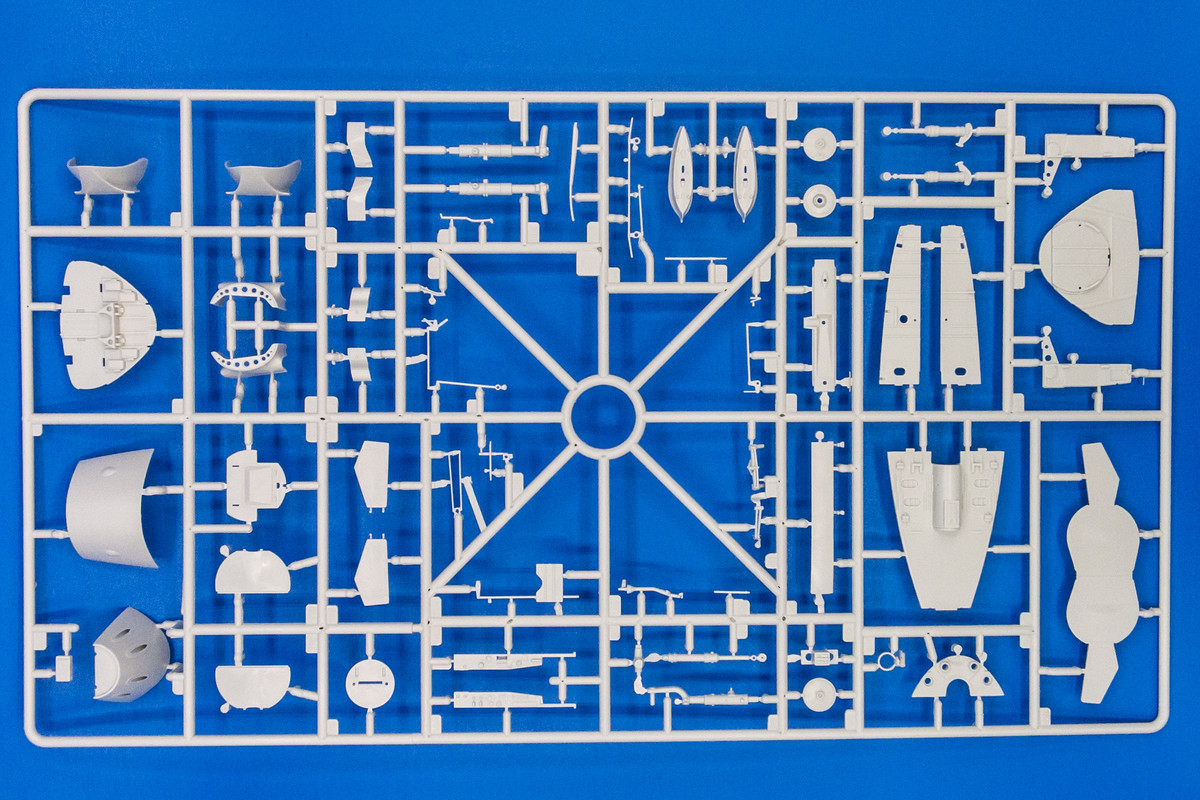
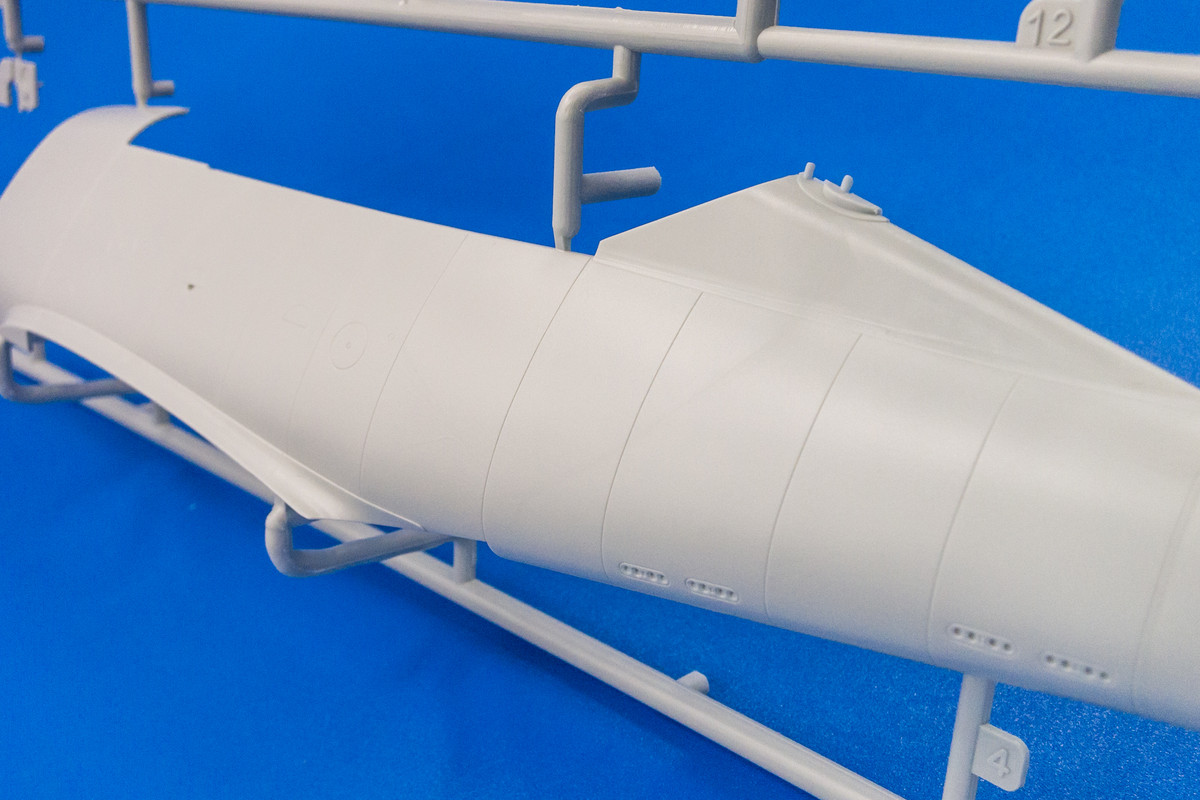
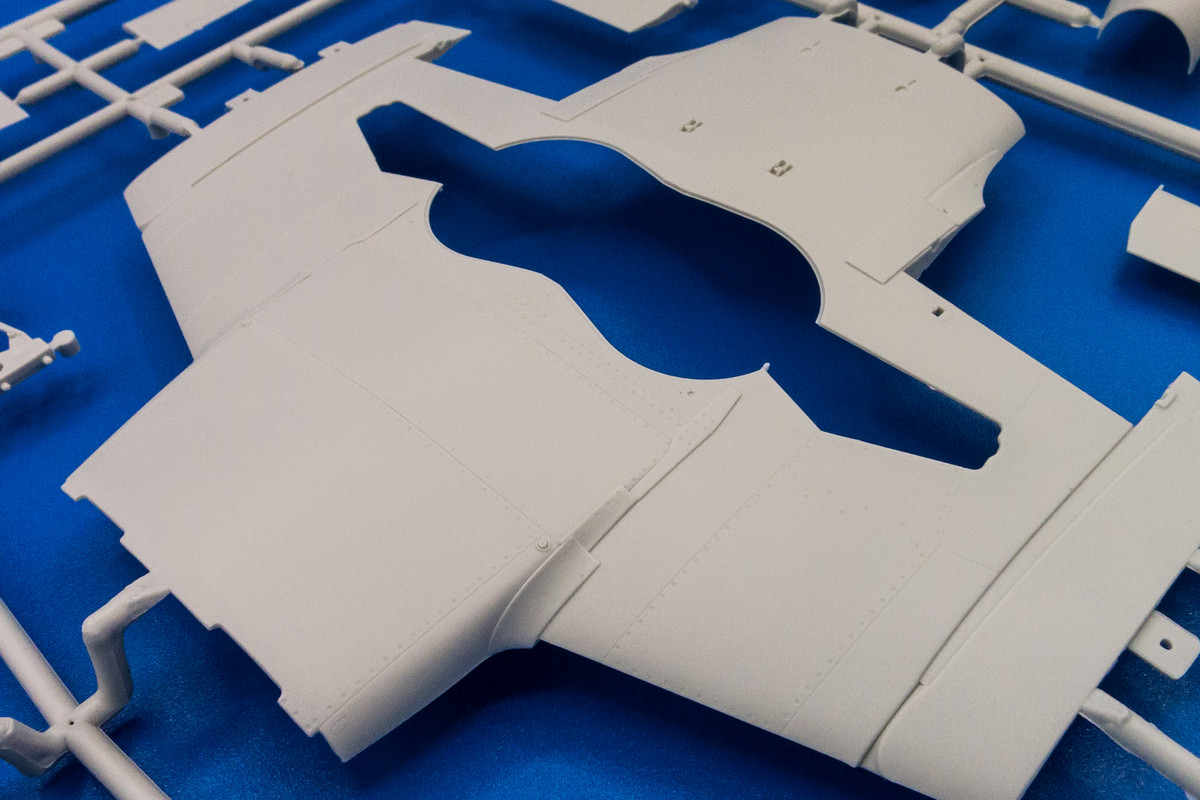
The major exterior components are not riveted unlike Trumpeter's offering.
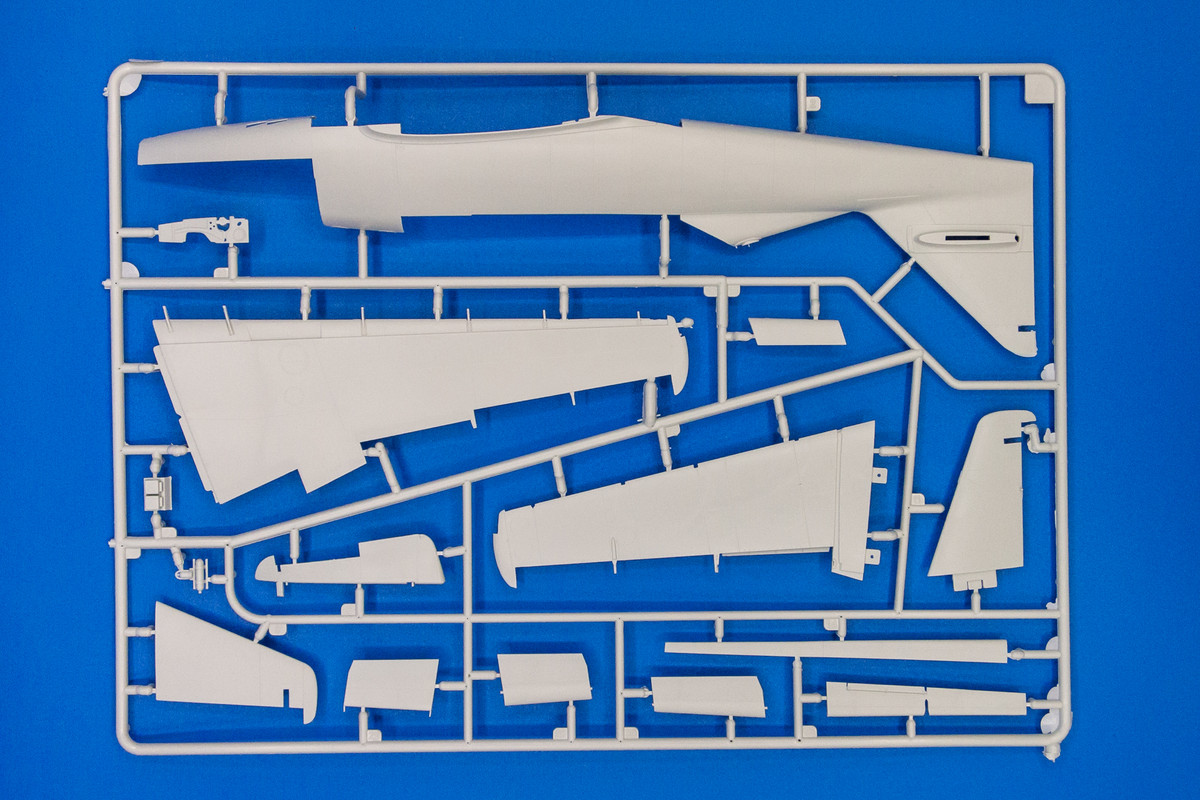
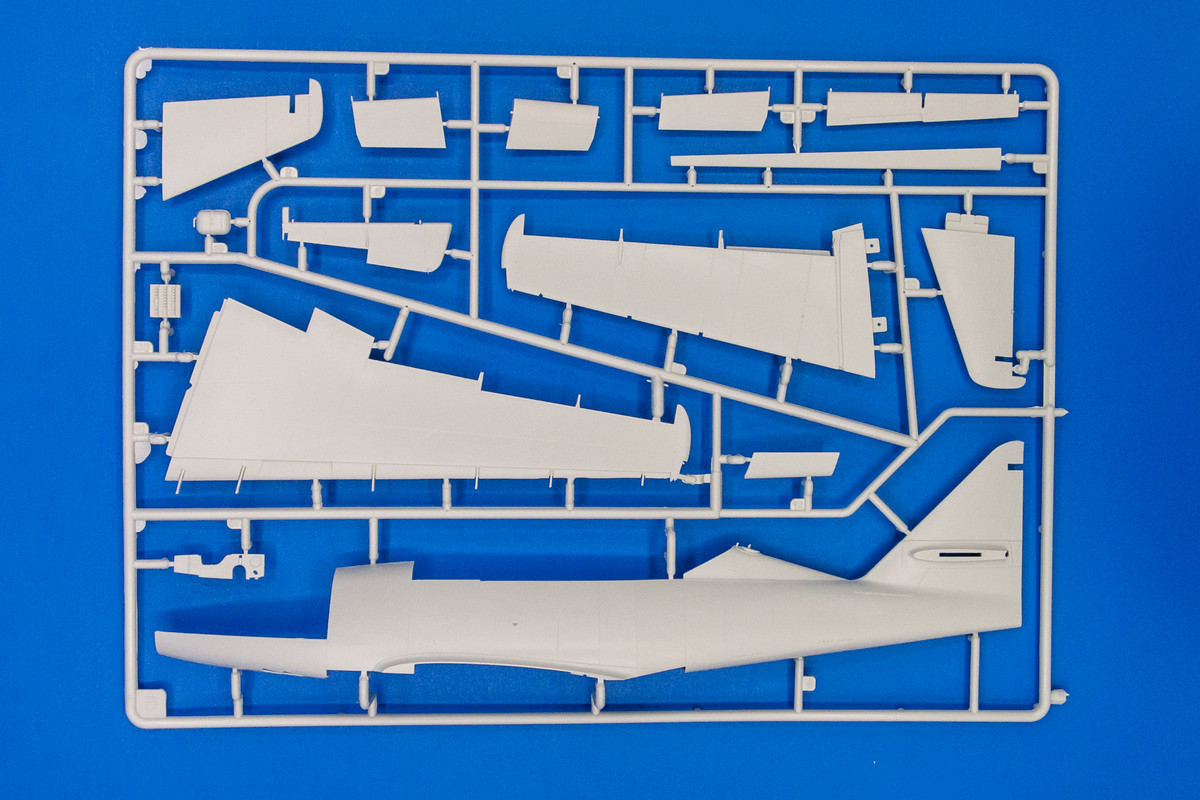
Parts breakdown is a little unusual in that the bottom wing is not a single piece but broken up into three parts: left, center and right.
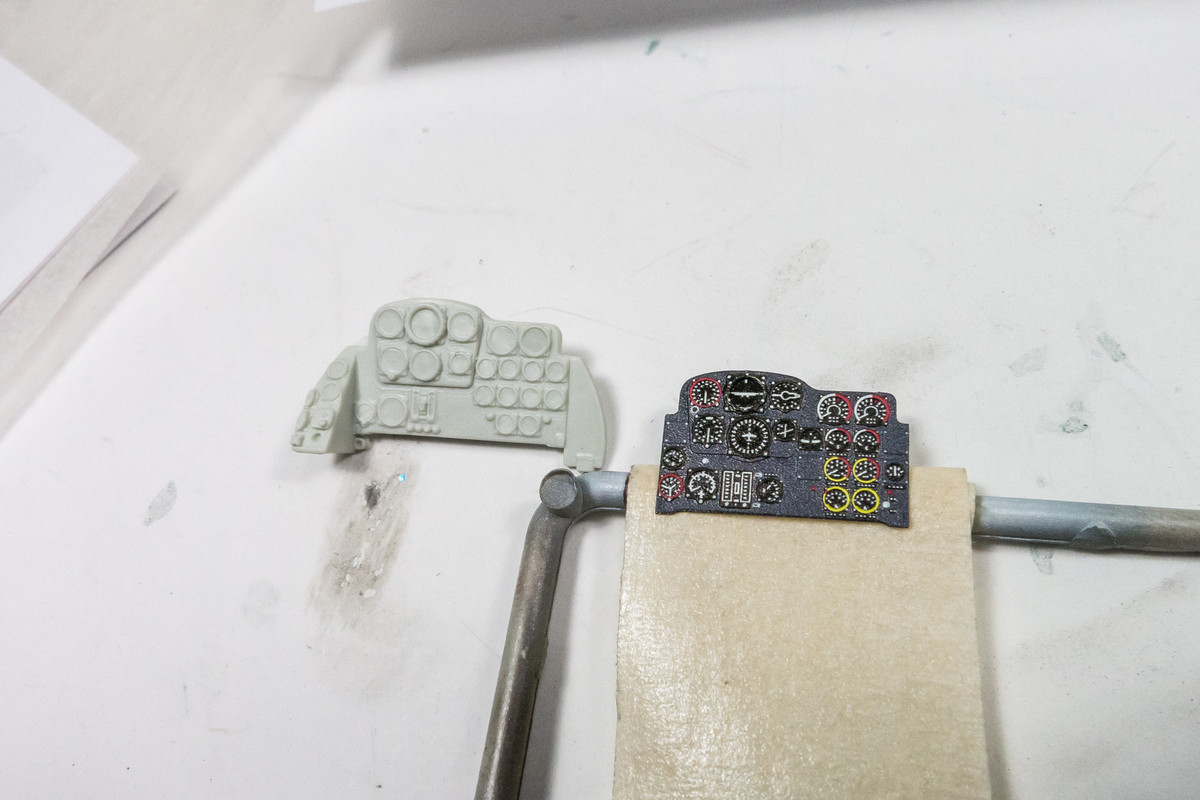
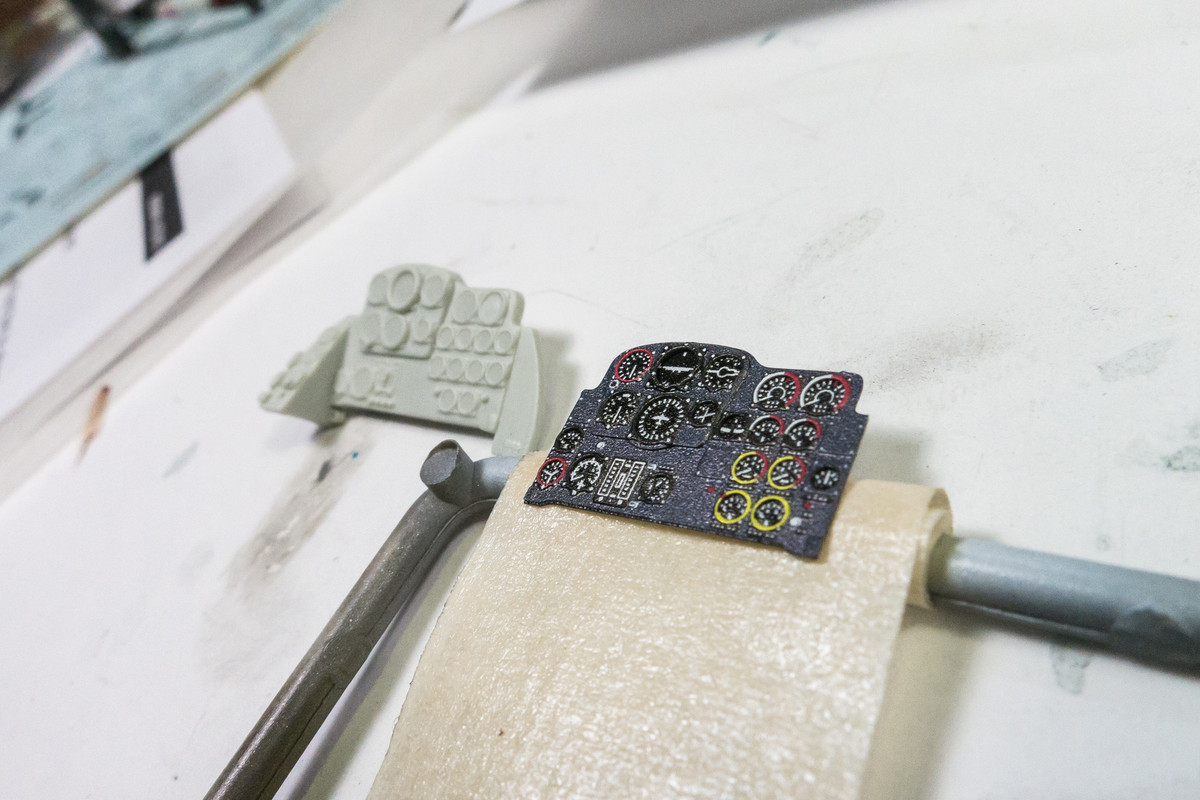
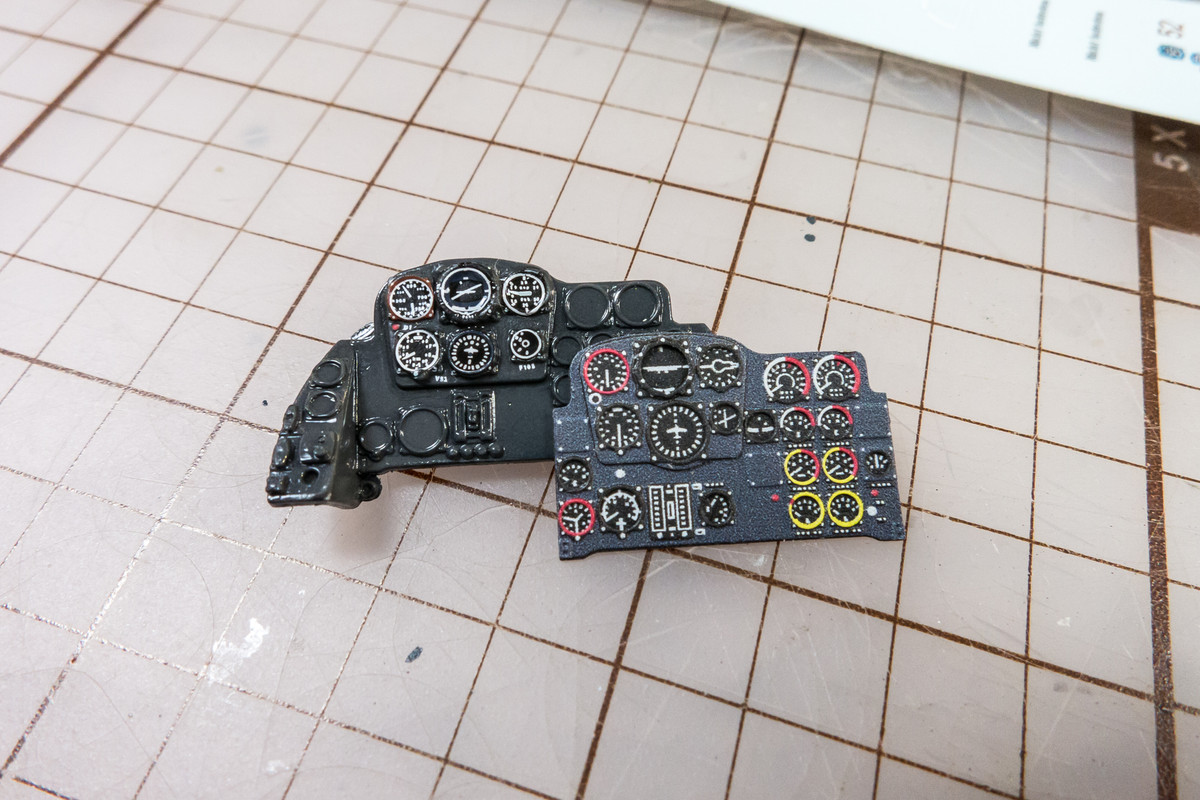
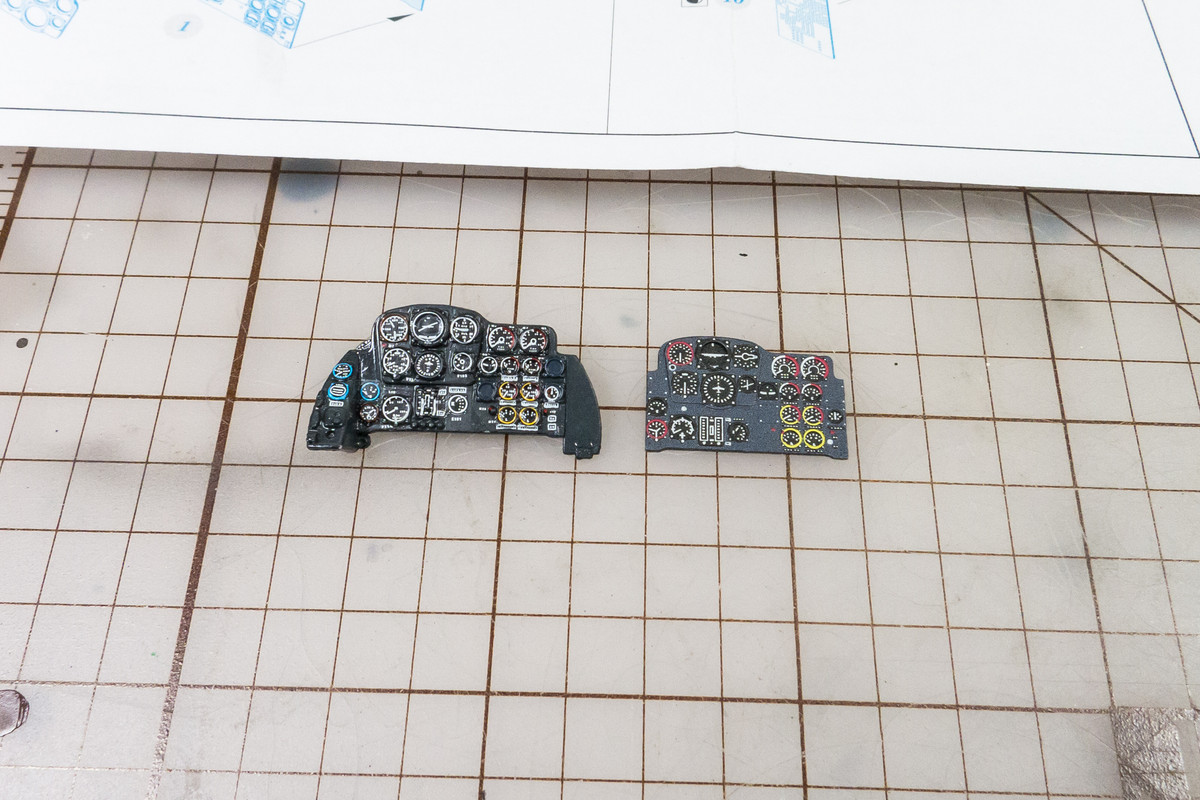
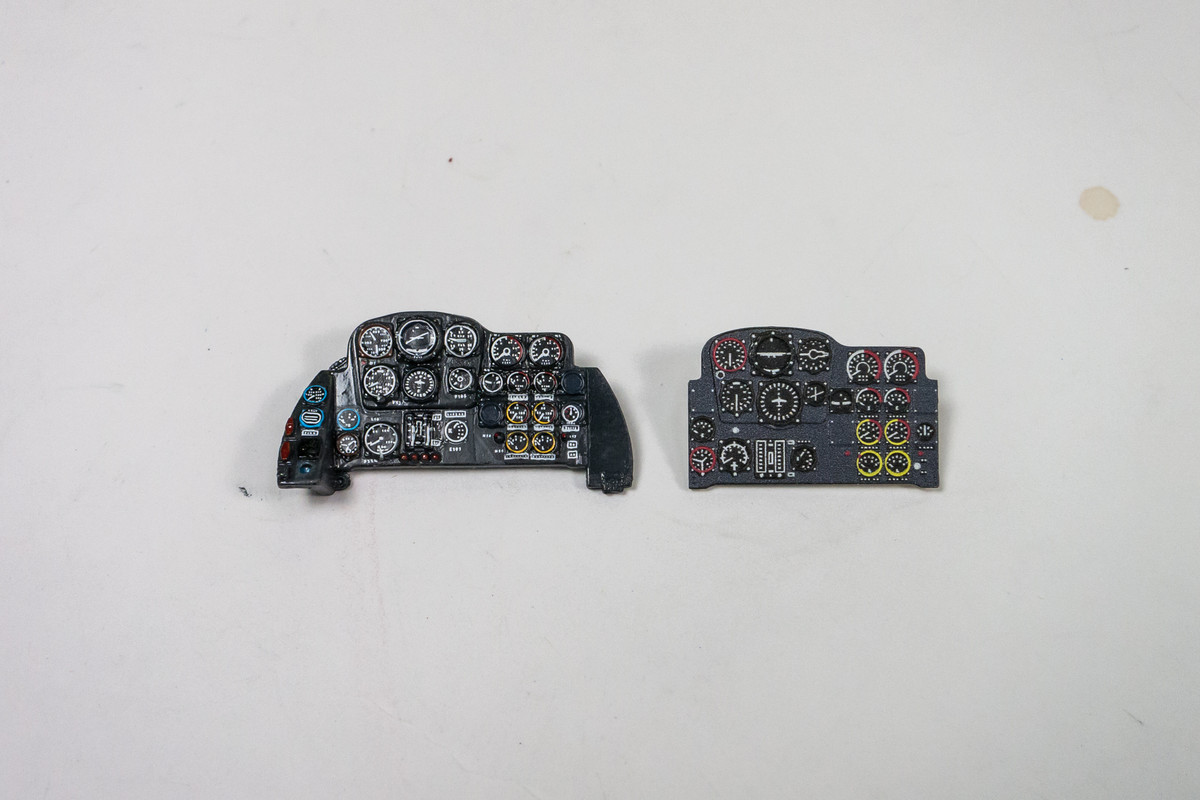
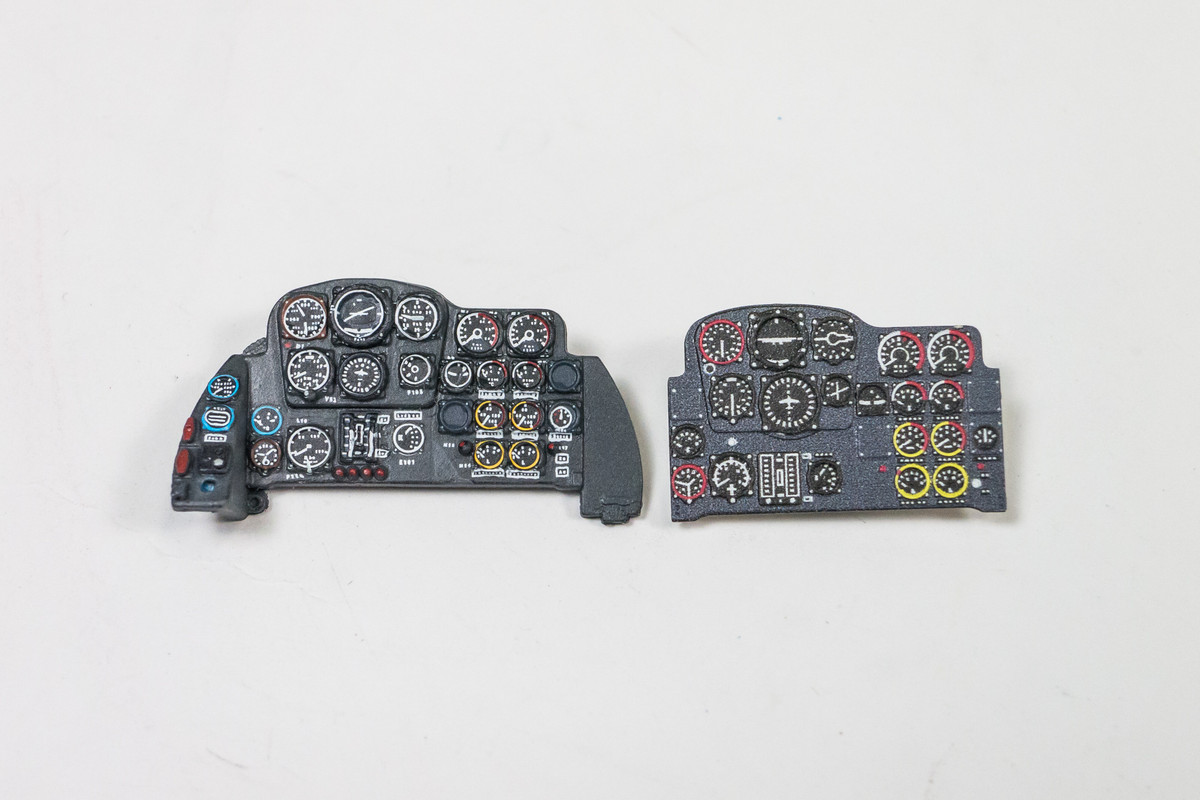
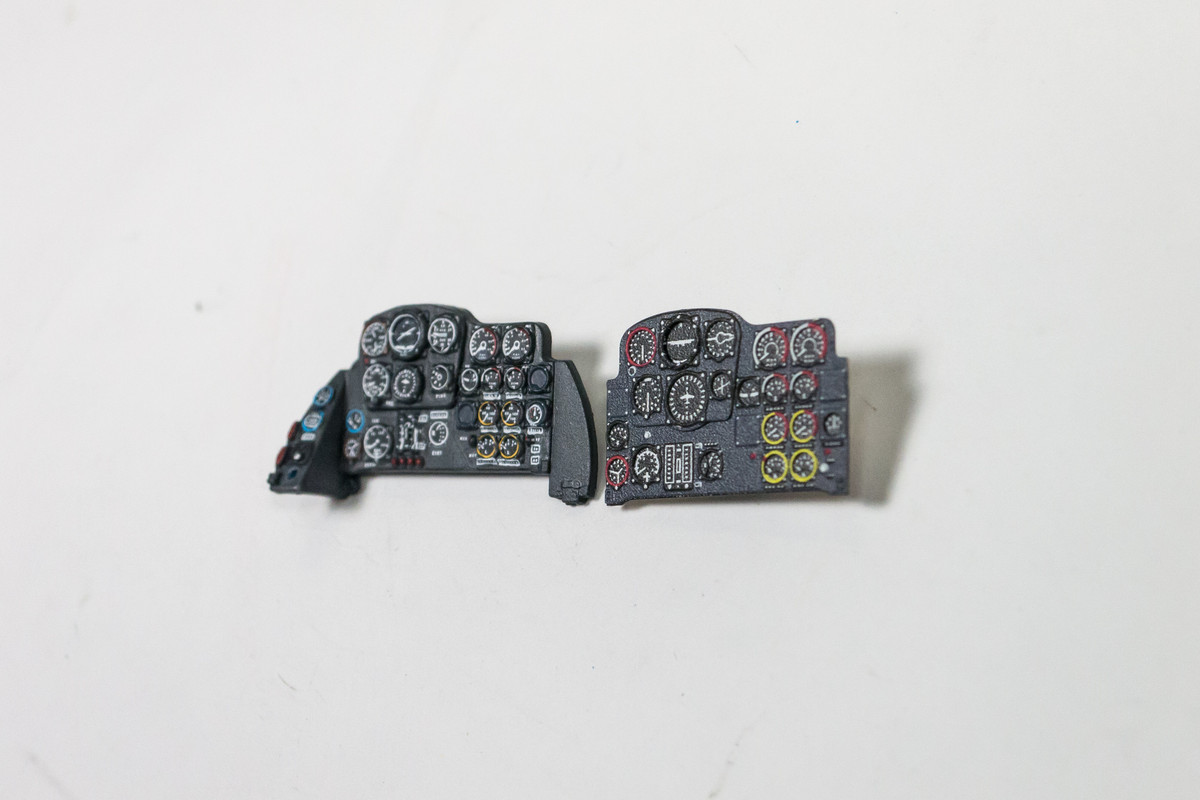
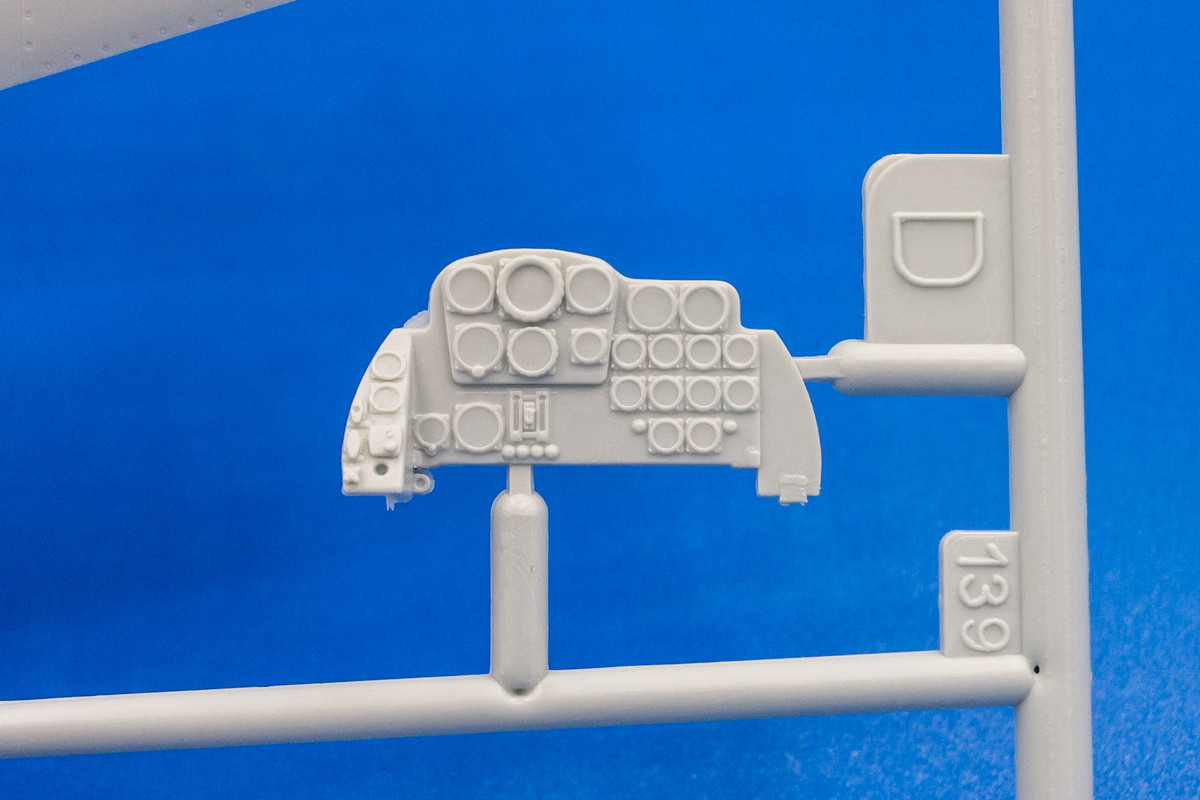
The instrument panel is very nicely molded. Since I have Eduard's photoetch version of the instrument panel, the first thing I'm going to do is compare the two.
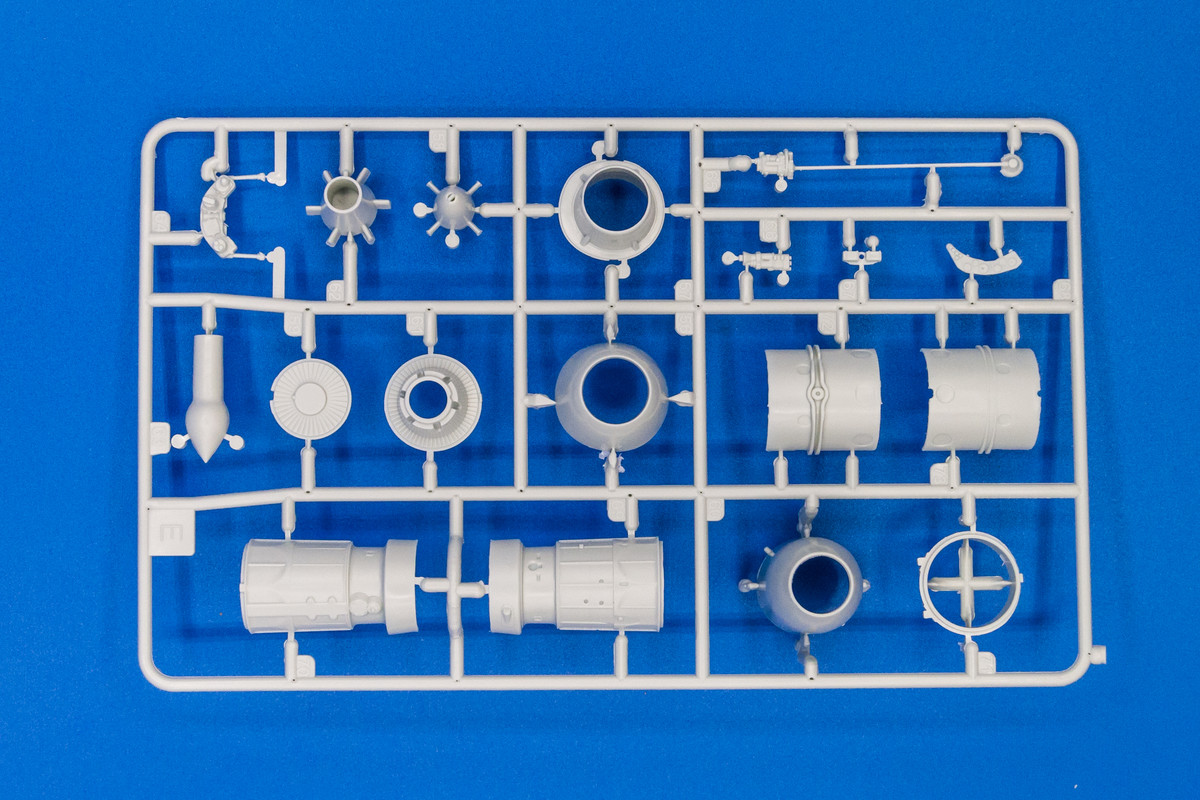
The kit provides two copies of these smaller frets. Overall impression of the kit at this point is very positive!
I've built the Trumpeter Me262A and I've been curious to see how Revell has depicted this iconic fighter. But this time around I'll be doing the two-seat nightfighter version. As usual, I'll be throwing a bit of aftermarket stuff into the mix and using my Silhouette Portrait cutter to produce masks for the larger markings. Let's a take a closer look at the kit itself.
This kit is a relatively new release, coming out in 2016. The Nachtjager comes in Revell's customary end-opening boxes, which I personally am not a fan of. Not only are they flimsier than the normal top-opening boxes, getting the contents in and out of the box is so much more of a hassle. The parts come in a light grey plastic and the frets are separated, two apiece, in plastic bags.
Revell has upgraded its instructions from black and white to color. International pictographs with little written instructions are still the primary form of communication. The full color palette on the profile drawings are a nice touch.
For such a large aircraft, the small decal sheet is a bit of a surprise but these nightfighters were quite sparse when it came to markings. The decals have a matt surface and are labelled as "Printed in Italy" (Cartograf?). Decal printing seems to be of very high quality and includes not only the instrument panels but decals for the side panels as well.
The clear parts look pretty good. Due to the windshield becoming loose in the bag, it suffered from a small spot scratch which will need to be polished out when the time comes.
Overall mold quality looks very good. Interesting that the side panels are not flat-faced but feature molded detail, which seems to conflict with the use of decals... can't tell whether this is a good or bad thing.
The major exterior components are not riveted unlike Trumpeter's offering.
Parts breakdown is a little unusual in that the bottom wing is not a single piece but broken up into three parts: left, center and right.
The instrument panel is very nicely molded. Since I have Eduard's photoetch version of the instrument panel, the first thing I'm going to do is compare the two.
The kit provides two copies of these smaller frets. Overall impression of the kit at this point is very positive!
 I do agree though, side opening boxes are crap.