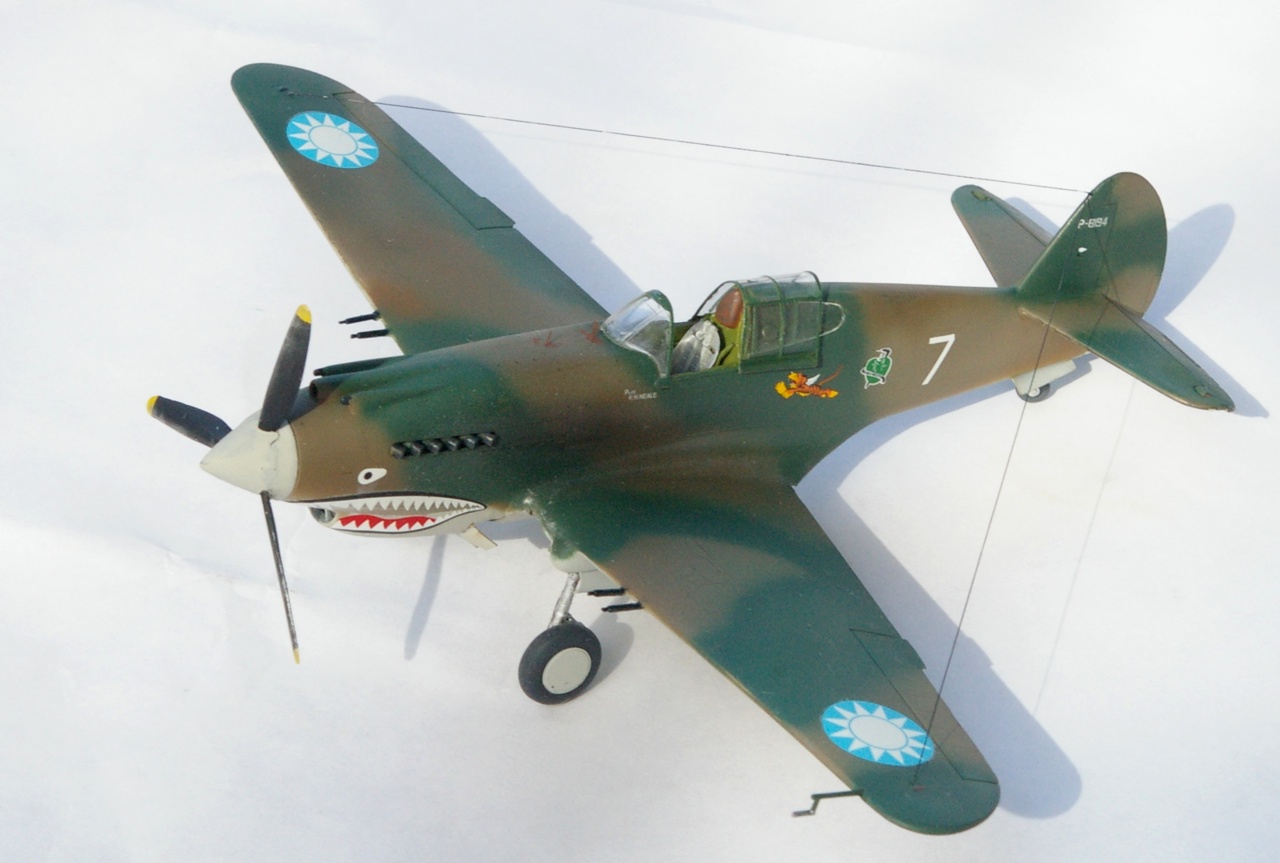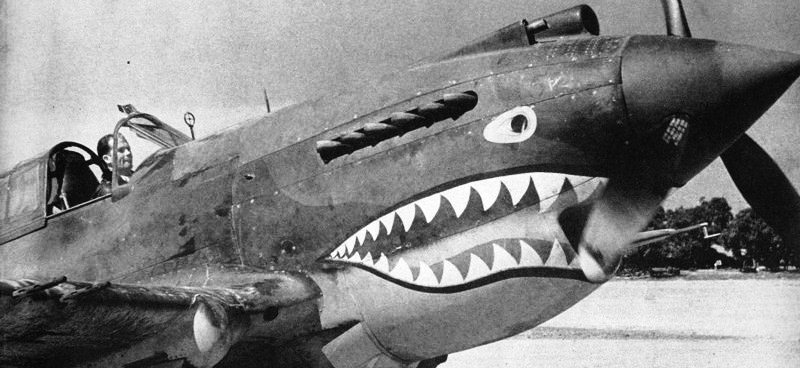
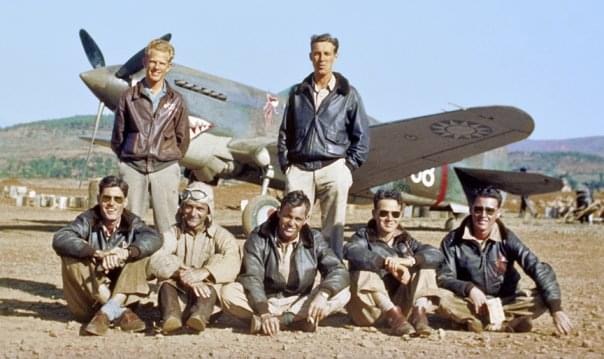
Curtiss-Wright P-40CU
Unit: AVG (ex 54th FS USAAC)
SN: 9754P
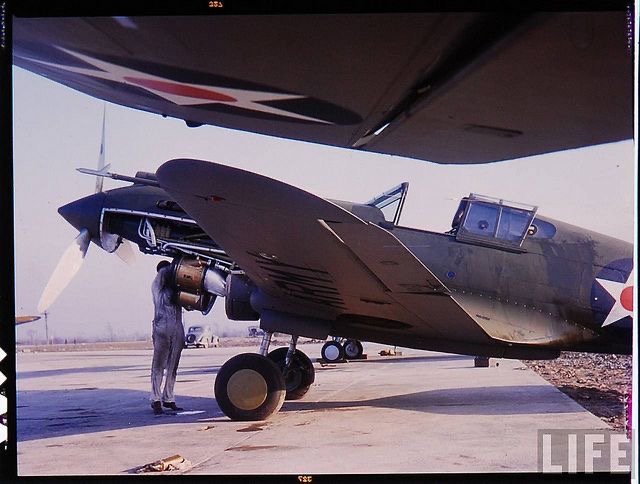
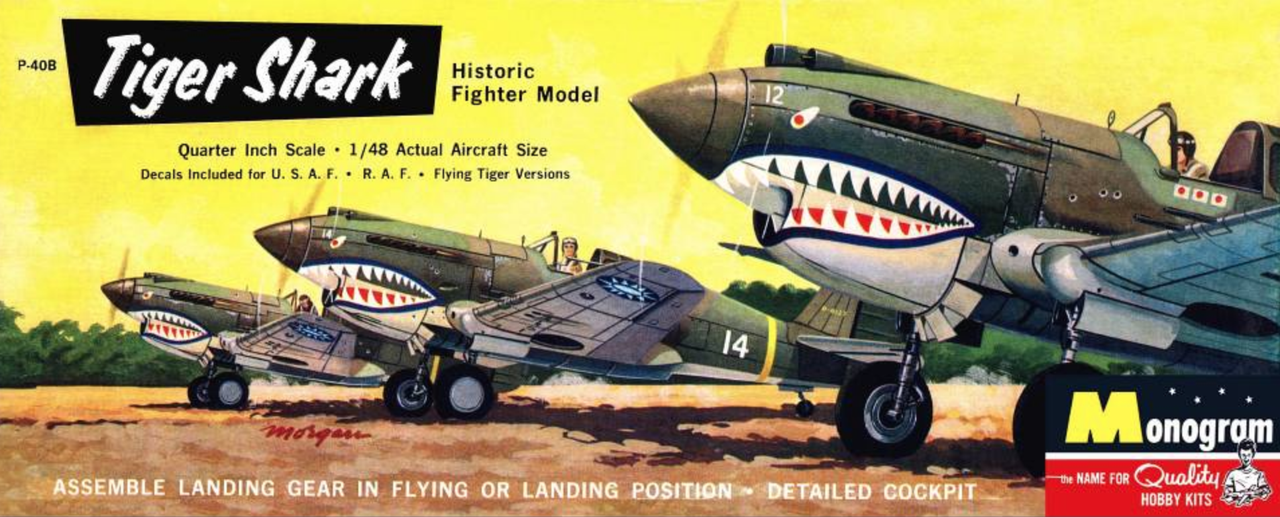
Monogram P-40B Warhawk
c. 1964
1:48 scale
50 parts
Released in 1964 as a “Four Star” model, Monogram’s P-40B is a best seller.
- Overall, the kit has a number of features - detailed cockpit, seated pilot, optional open or closed canopy, working flaps and landing gear.
The plastic is finely molded with delicate rivets and crisp panel lines overall.
Point of Origin
I chose the simplest of kits and scheme because I want to build, fellas. I want to make something. My tax refunds covered the costs. Plus I wanna build like my Dad would to the sound of bluegrass and the taste of ice cold beer. I want to feel like I did at fourteen when we would go out to the barn with a workbench on the wall and there was no bullshit, nothing fancy. Lunch break at noon. Sandwiches and chips. You know the drill. Back at it until supper. Pure. Simple. No sweat or strain. Drink a beer in a chair at sunset. Favorite time of day. Pops I miss you.
I added some history below because I needed it. Your mileage may vary. I gotta tell you my heart is singing some beautiful love songs right now in Italian, and I am frankly not sure what day it is thanks to living and loving in different time zones.
Whether I am going to finish the above work is anyone’s guess. I certainly would not bet on me at this point, but I’m still getting cardboard boxes full of plastic parts off eBay too, not to collect but to build or with the intention to build. What is important for me: to honor my Dad and participate here and be of service to others. If I don’t finish I will feel it strongly because of him, and that’s not acceptable to me. I don’t want to let y’all down either.
Fei Hou
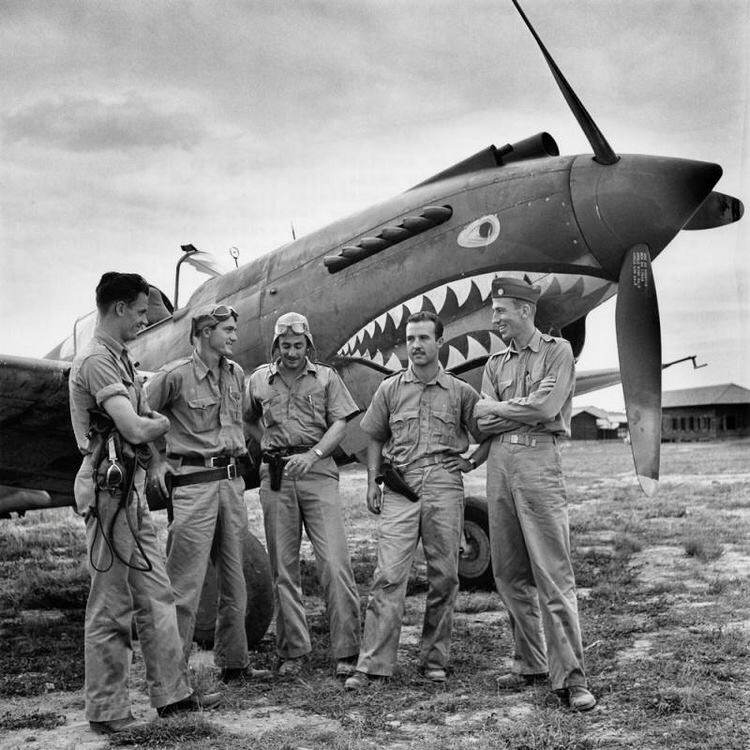
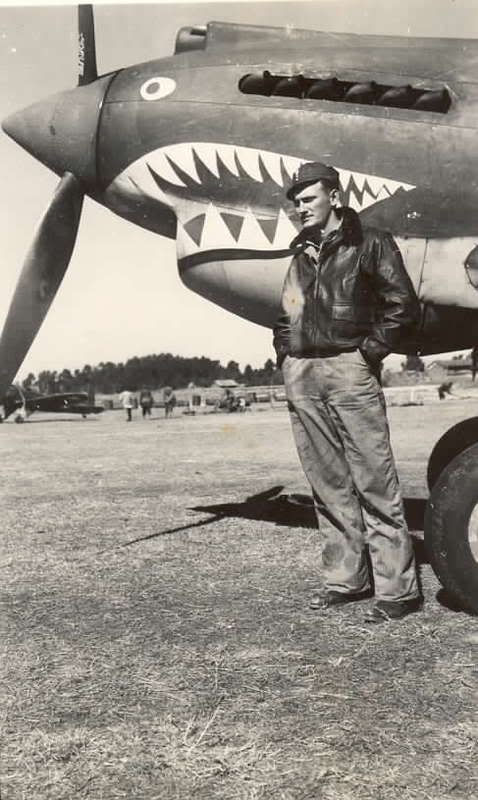
The handful of American mercenaries who scorched earth and sky in defense of China were officially known as the American Volunteer Group (AVG) and forever remembered as the Flying Tigers: the English translation of Fei Hou.
The AVG never had more than three squadrons of 18 P-40s at any time. Flying their first combat mission on December 20, 1941, the Flying Tigers operated under extremely difficult conditions at the end of the world’s longest supply line and with the war’s lowest supply priority.
Nevertheless, by the time the group disbanded six months later, its pilots had shot down 286 Japanese aircraft. During a period in the war when everybody else in the Far East was being soundly defeated by the Japanese, their achievements were truly phenomenal.
The AVG owed its success to the tactical doctrines developed by its leader, Colonel Claire Lee Chennault. A former USAAC fighter pilot who had carefully observed Japanese aircraft over China, Chennault understood the strengths and weaknesses of both the Japanese and American fighters. Using that knowledge, he established an advance warning system, which involved Chinese observers relaying information to AVG air bases.
He also drilled three fundamental rules into his pilots. First, never ever try to turn with a Japanese fighter in a dogfight, since it could maneuver its way onto a P-40’s tail within two turns; instead, use the P-40’s superior diving speed to escape, then climb and re-engage. Second, Chennault advocated head-on passes, because the Curtiss, with its two .50- and four .30-caliber machine guns, could outgun its Japanese army counterparts, which were still armed with only two 7.7mm weapons. The third rule was to harass the Japanese planes after they retired - since they lacked self-sealing fuel tanks, a few holes in their tanks would probably cause them to run out of fuel before they reached their home bases.
These three rules were the secrets of the Flying Tigers’ success.