Kit Data from Scalemates
Airfix Spitfire Kit 02081
Scale: 1/72
Release/Tooling: 1959
This Product: Late Sixties (‘68-?)

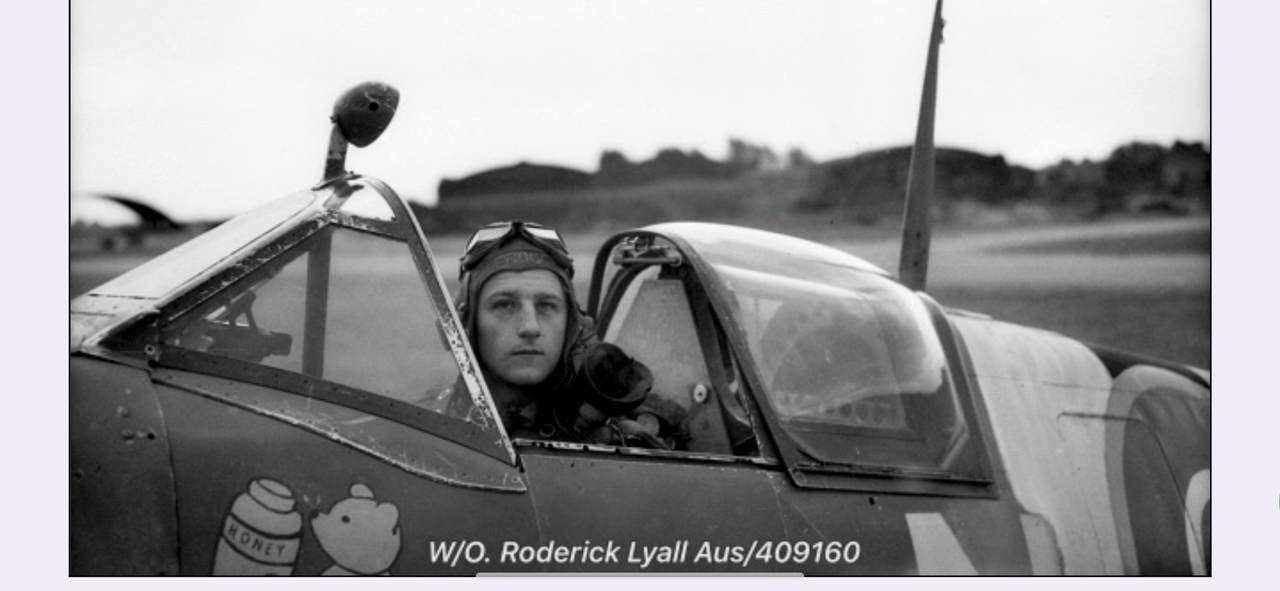
Spitfire FU-N MH779 of 453 Sqn, RAAF, being prepared for take-off from Ford, England, June 6, 1944.
The Subject
Supermarine Spitfire Mk.IX FU-N MH779
453 RAAF Squadron in Europe (1942-46)
Pilot: F/O J.A. Boulton (RAF)
Pilot: W/O Roderick “Froggy” Lyall (RAAF)
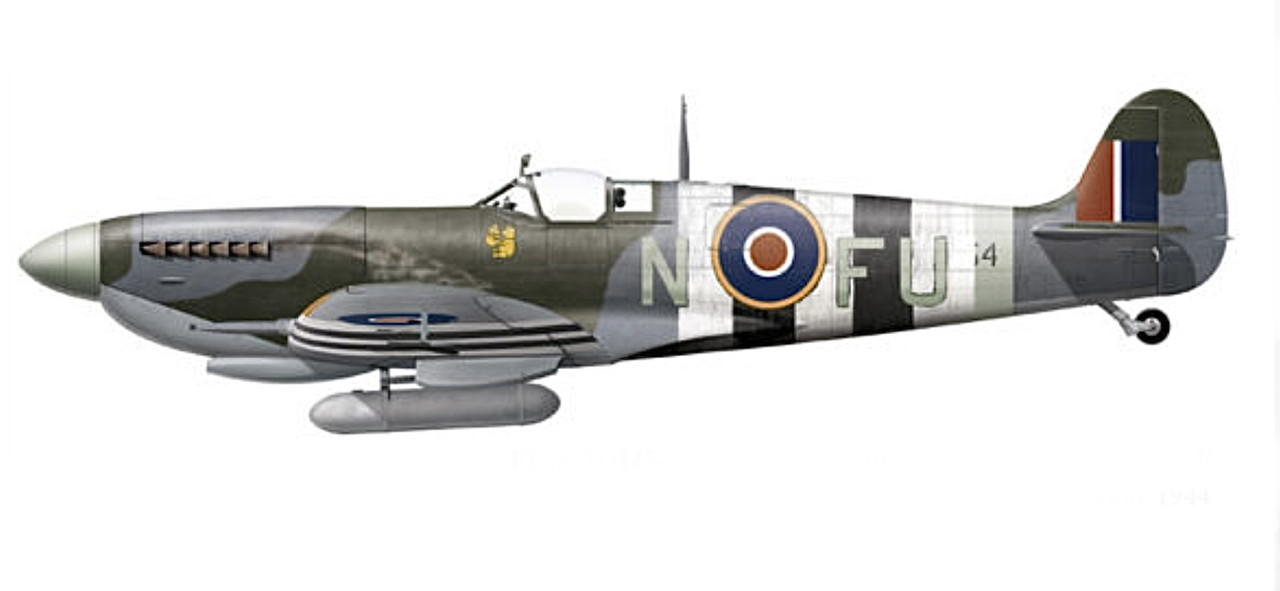
Profile art courtesy EagleCals/Jerry Crandall
Special thanks to Stickpusher for aircraft and pilot identifications. You are an Ace!
Ready to Strike : The Spitfires and Australians of 453 (RAAF) Squadron over Normandy by Adam Lunney
453 RAAF Squadron
453 Squadron, Royal Australian Air Force was formed at Bankstown in New South Wales on May 23,1941.
The squadron arrived in Singapore in August 1941 where it was equipped with obsolete Brewster Buffalo fighters. Following the Japanese invasion of Malaya on December 8, 1941, 453 Squadron was deployed to forward airfields at Ipoh and Kuala Lumpur. It valiantly strove to support the ground troops by providing air cover and attacking Japanese troops and transport, but suffered grievously in doing so.
With three serviceable aircraft remaining, its fleet having already been replaced once, 453 Squadron withdrew to Singapore on December 24th. It fought on with six Buffaloes until it was ordered to evacuate. The ground crew left by ship the next day, bound for Java.
453 Squadron was given a second lease of life at Drem, near Edinburgh, in Scotland on 18 June 1942. It was reformed with new personnel, equipped with Supermarine Spitfire aircraft, and joined the RAF’s Fighter Command. Operating from a series of airfields in the United Kingdom, 453 Squadron rapidly became a capable multi-role fighter squadron. It provided defensive air patrols over Britain and surrounding waters, escorted bombers over enemy-controlled Europe, and conducted offensive strikes on both land and sea.
After the invasion of western Europe in June 1944 the squadron frequently staged through forward airstrips near the front line to increase its range and the time in the operational area. From November 1944 to March 1945, 453 Squadron remained heavily engaged in striking assembly & launch sites used by the Germans in V2 rocket attacks against Britain.
On May 2, 1945, the squadron escorted the aircraft that returned Queen Wilhelmina to The Netherlands after three years in exile in Britain. This was 453 Squadron’s last mission of the war. Germany surrendered six days later.