
Origin
The He 100 began life as "Projekt 1035,” after Heinkel engineers pushed the He 112 product to its evolutionary end. Versions of this fighter served in limited capacity with the Luftwaffe as well as the Spanish, Hungarian and Romanian air services.
Design
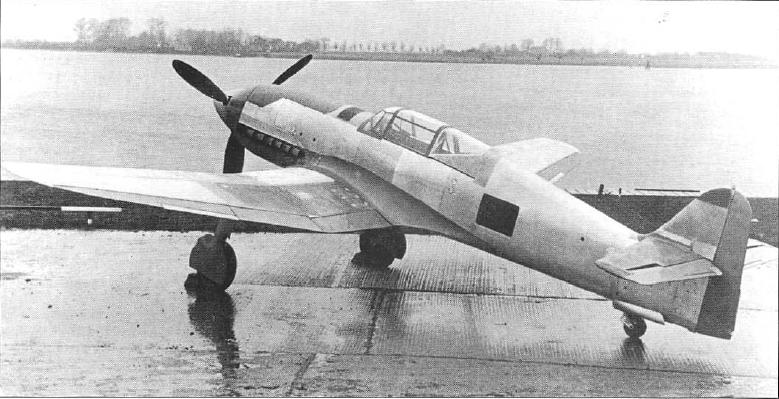
The He 100 design featured a rounded, streamlined fuselage, cockpit set over midships and tapered empennage terminating at the single, low-profile vertical fin. Horizontal tailplanes were positioned low along the fin. The wing mainplanes were mounted slightly ahead of midships with straight leading edges and tapered trailing edges and rounded wing tips. Ground running was accomplished via a traditional tail-dragger undercarriage involving a pair of main legs and tail wheel. The pilot sat under a framed canopy with raised dorsal spine behind, offering greater internal volume for fuel and other equipment.
1939 World Speed Record
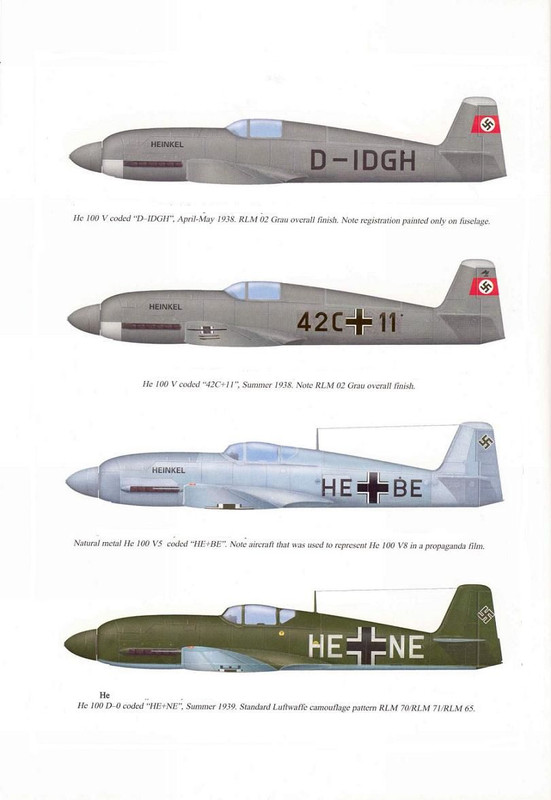
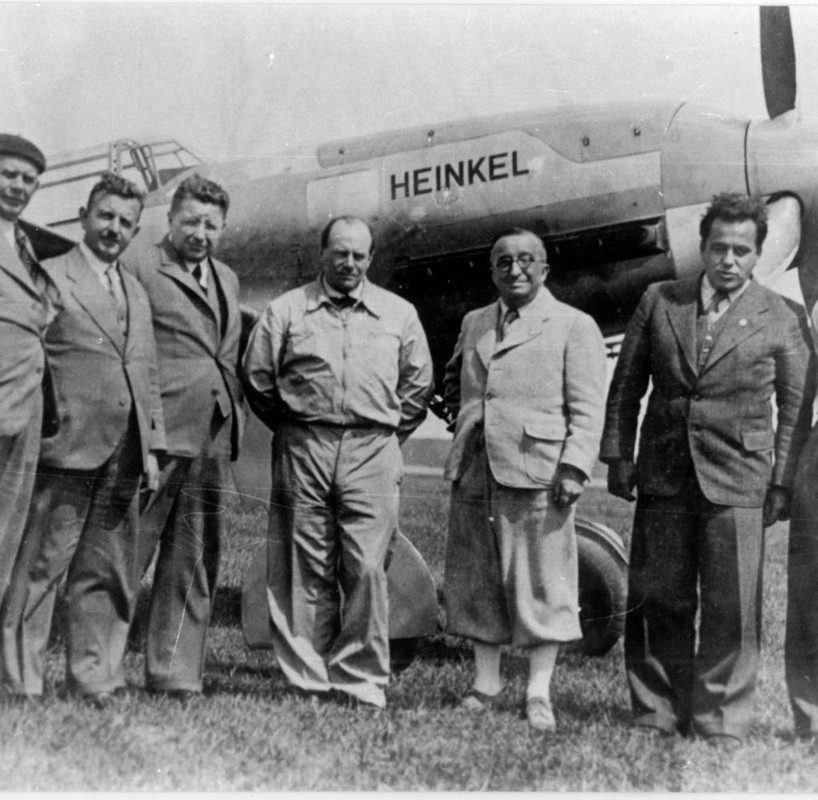
Twelve prototypes were built. The aircraft was very fast: a modified version won the absolute world speed record of 463.919 mph (746.606 km/h) in March 1939.
Specifications
Length: 26.10 feet
Span: 30.9 feet
Height: 11.9 feet
Empty weight: 4,000 lbs
MTOW: 5,500 lbs
Armament: 1x 20mm MG FF automatic cannon and 2x 7.92mm MG 17 machine guns
Power: Daimler-Benz DB601M liquid-cooled V12 inline piston engine
Max speed: 420 mph
Cruising speed: 345 mph
Range: 630 miles
Service ceiling: 36,000 feet
Propaganda
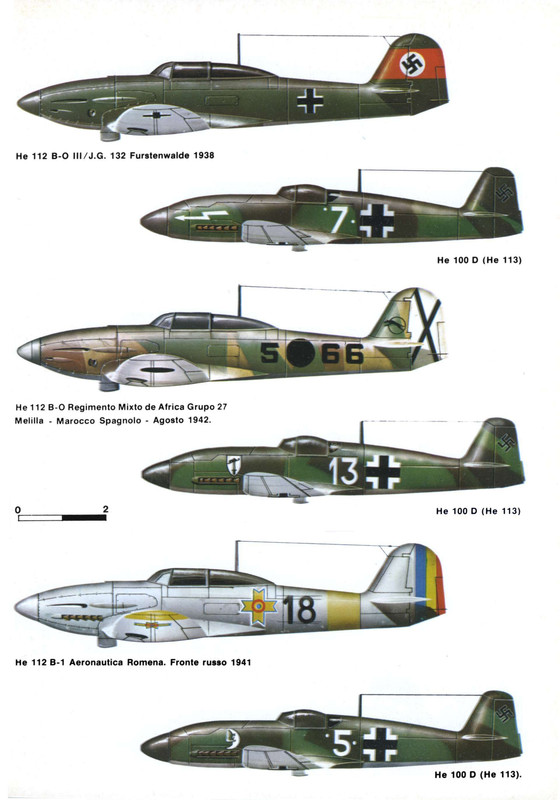
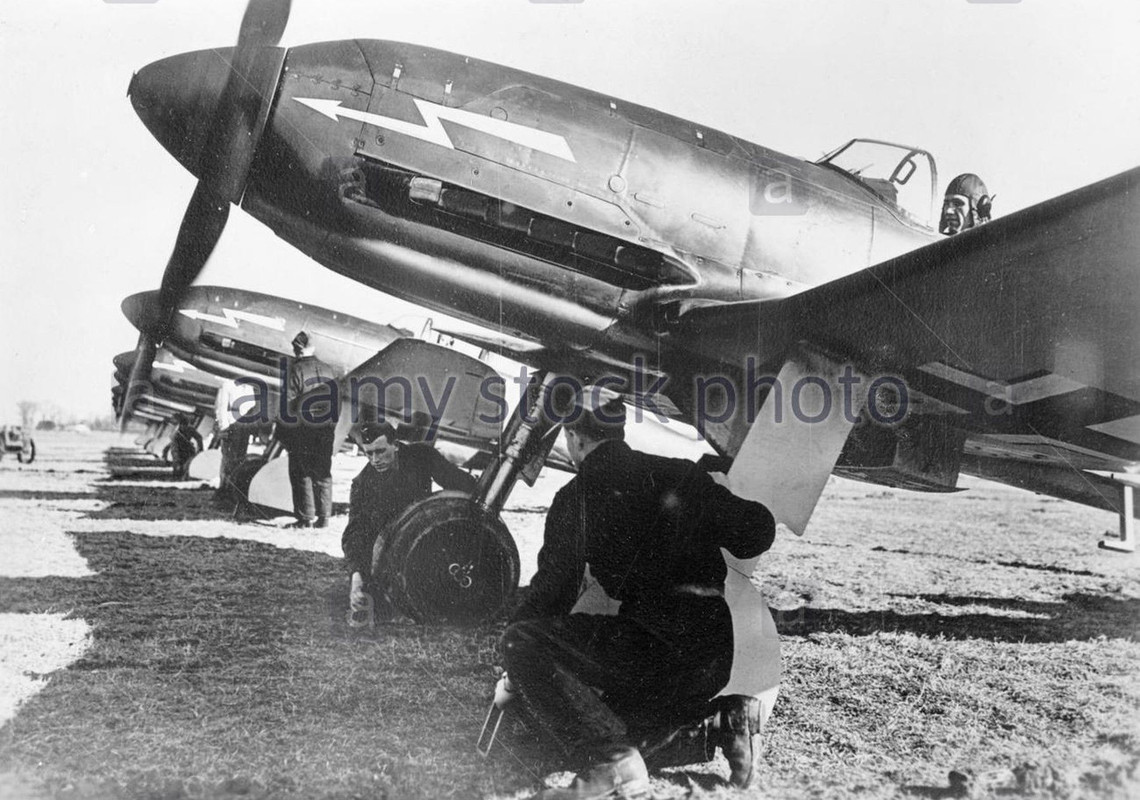
The He 100 fighter was the featured subject under the "He 113" propaganda program created by the Third Reich in the run-up to World War II, appearing in staged action photoshoots showcasing German ingenuity with the latest in military fighter development. Somebody got the bright idea of using Heinkel’s dozen prototypes to stage a substantial piece of tomfoolery - probably not Propaganda Minister Goebbels himself, but one of his underlings took charge of this. He arranged the factory’s He 100s and painted them as fully operational Luftwaffe fighters, adding phony squadron nose art, national insignia and big numbers on the fuselages.
The He 113 photos were published in German newspapers and the official Luftwaffe magazine, “Der Adler,” leading civilians to believe their air force had a potent new weapon. According to one report, the mythical fighter even made an appearance at Pearl Harbor. On December 7, 1941, intelligence officer Lt. Col. T.H. Davies sent a message, “One plane brought down in the south sector was identified as a German made Heinkel 113.”
Intercontinental Friendship Model Shop Pt.1
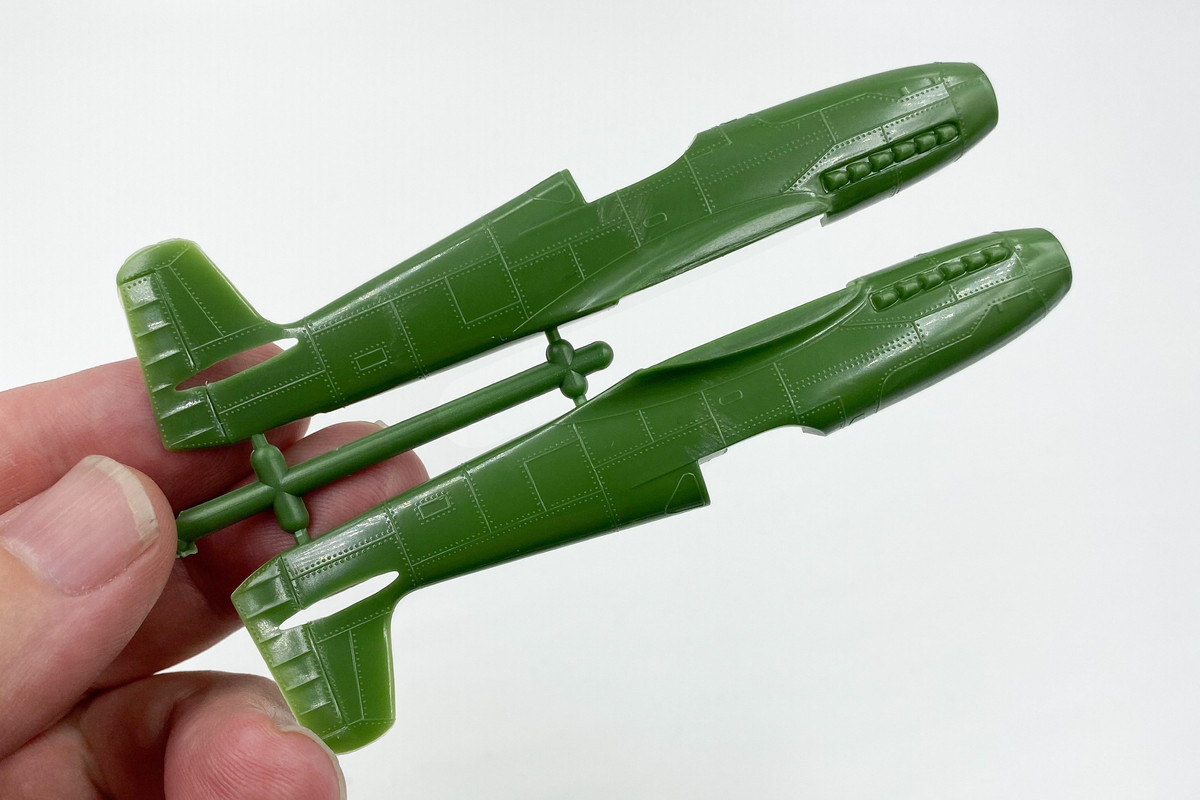
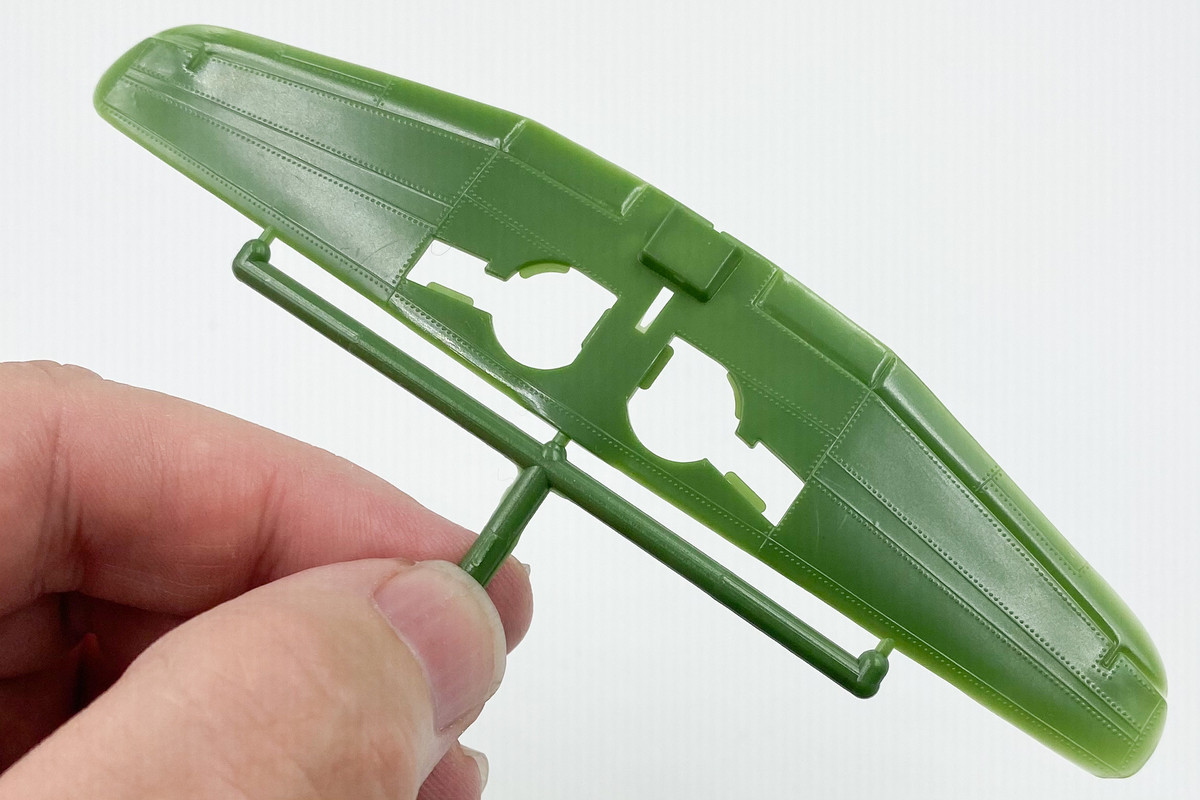
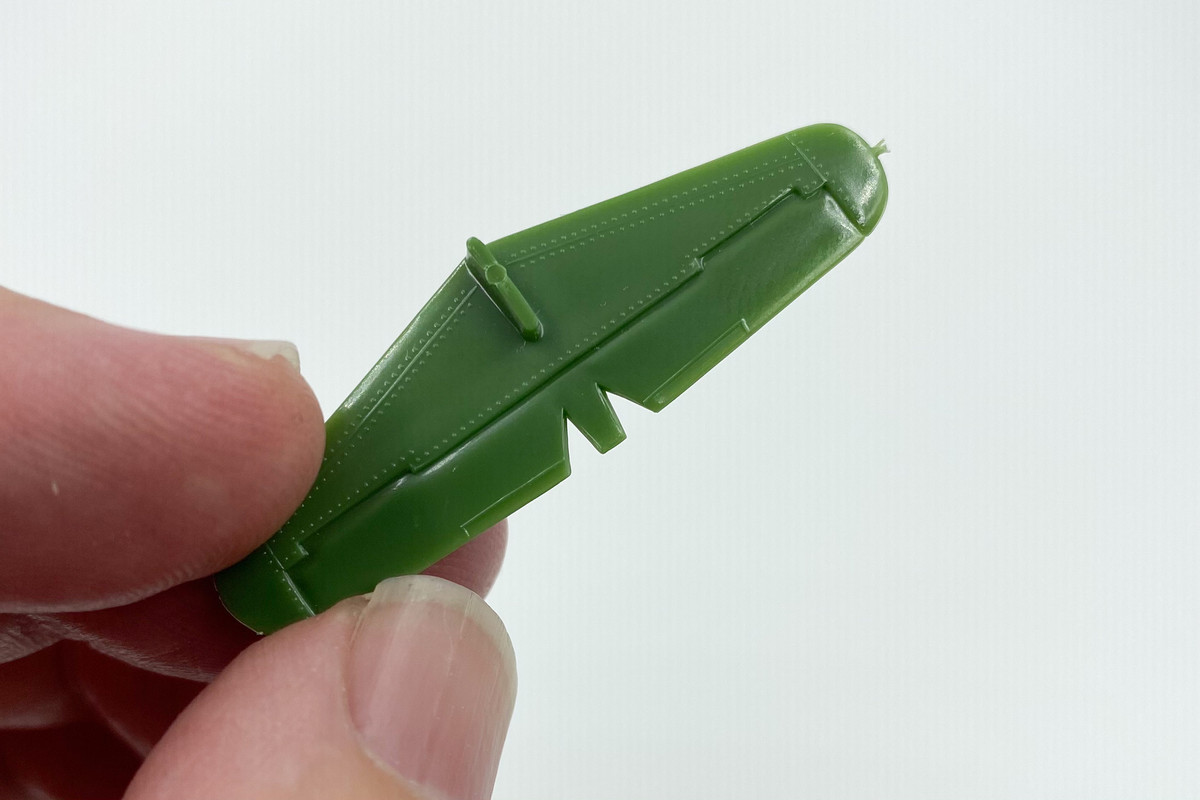
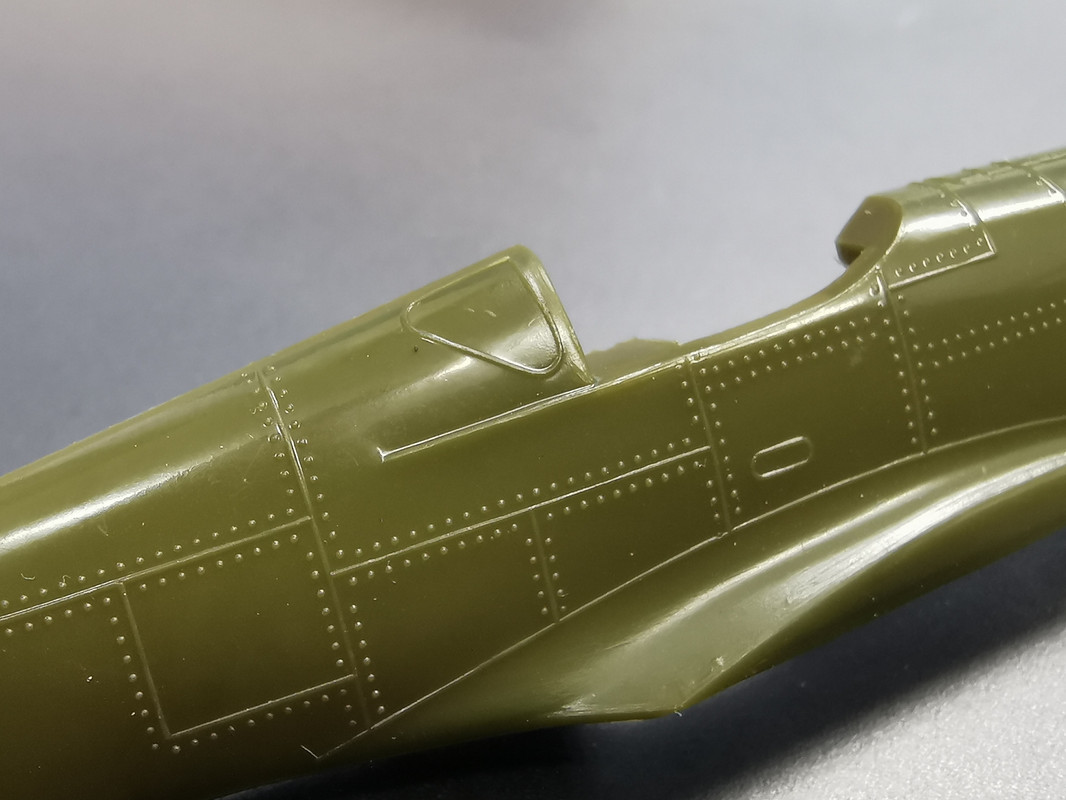
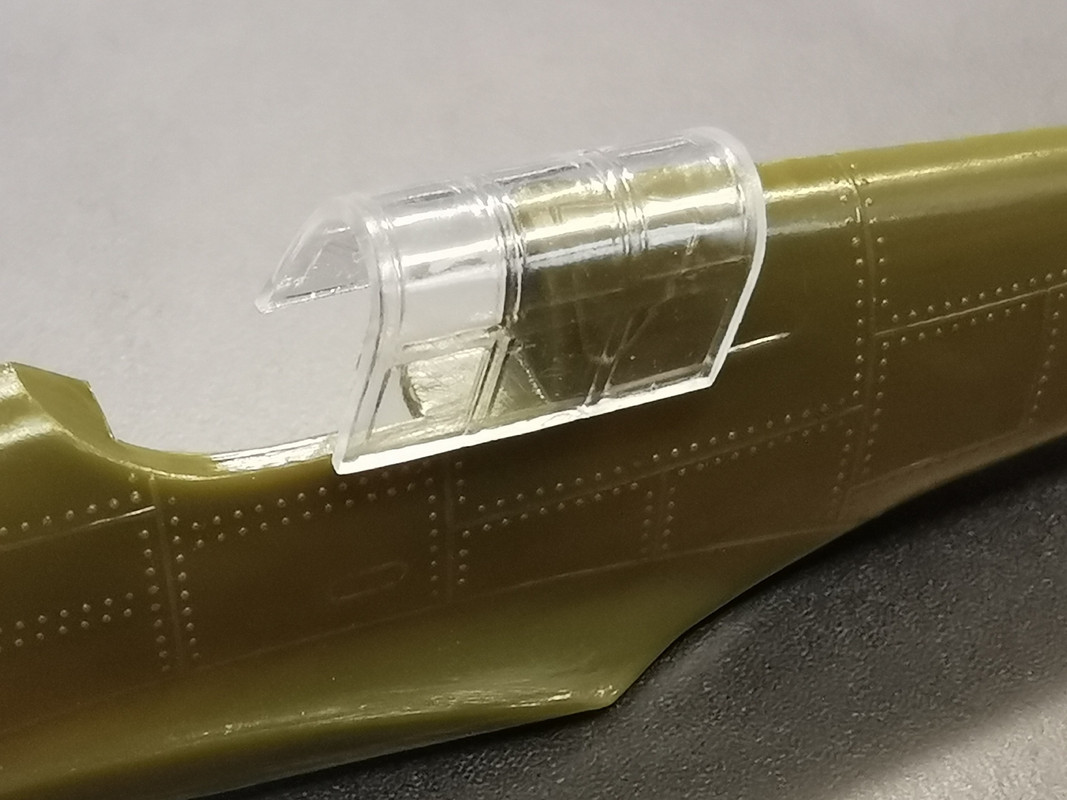
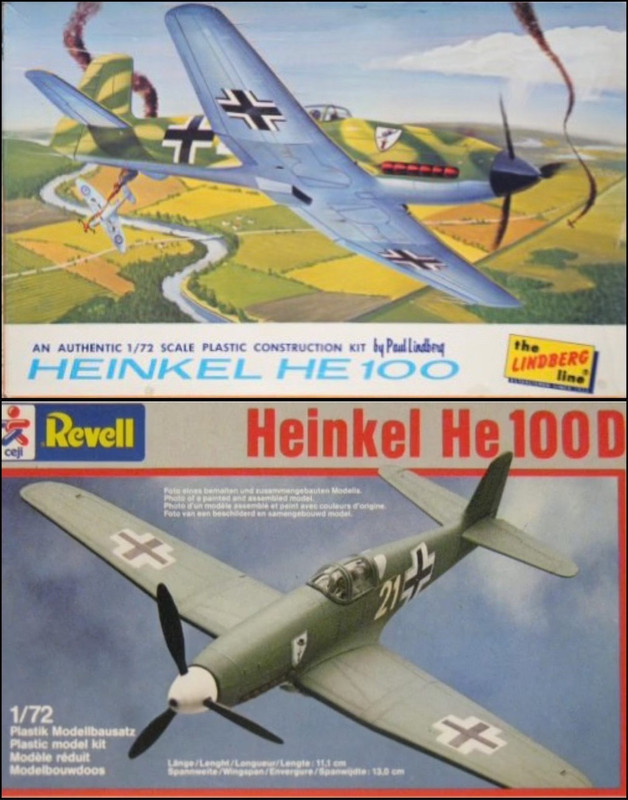
This name was created by Marius and I as a working title for our project builds. He will be building the Revell (ex-Lindberg) in 1/72 and I will be building the Lindberg kit (original tooling from 1965) in 1/72.