I will later in the week try to put up some pictures of what I saw.
But in the museum shop, I found this... Did not thing twice to buy it...

( it's a Mk. I or Mk. II )
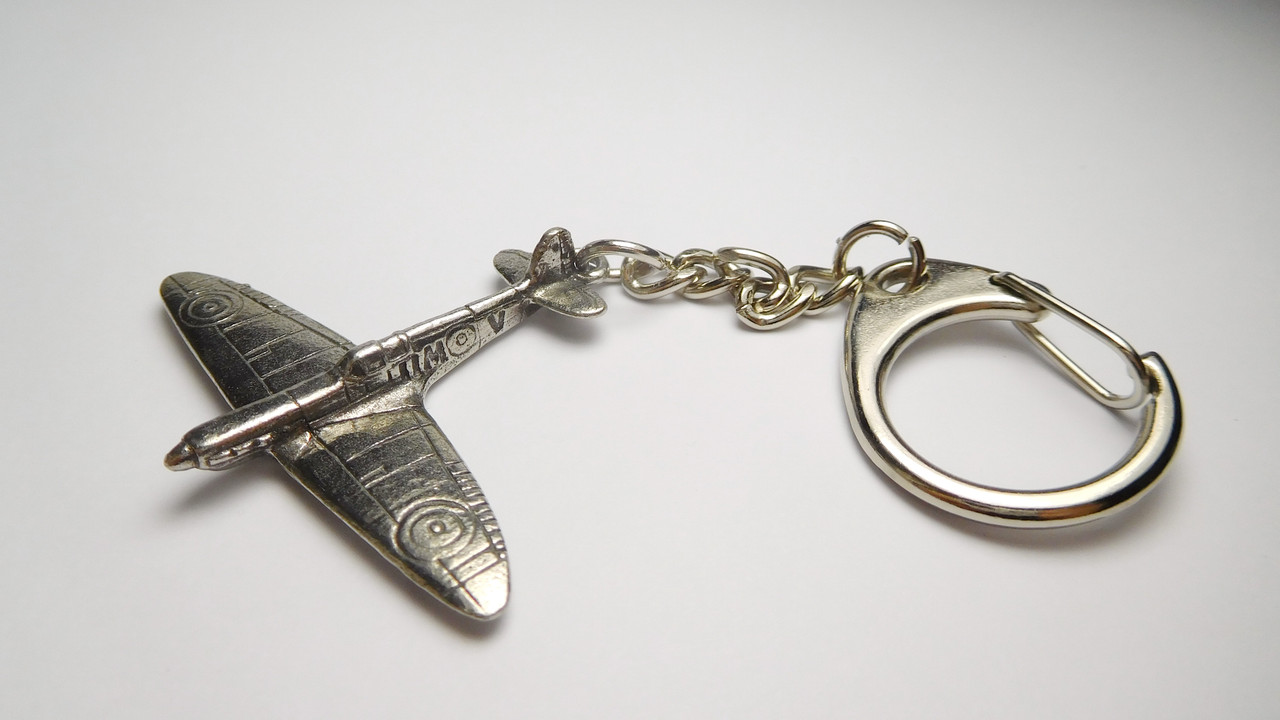
- Kari
 Very cool Kari!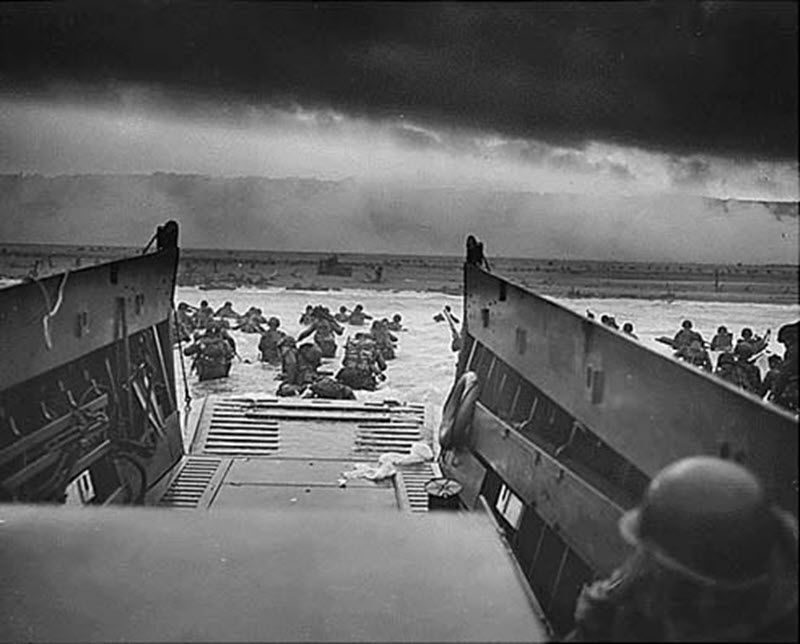
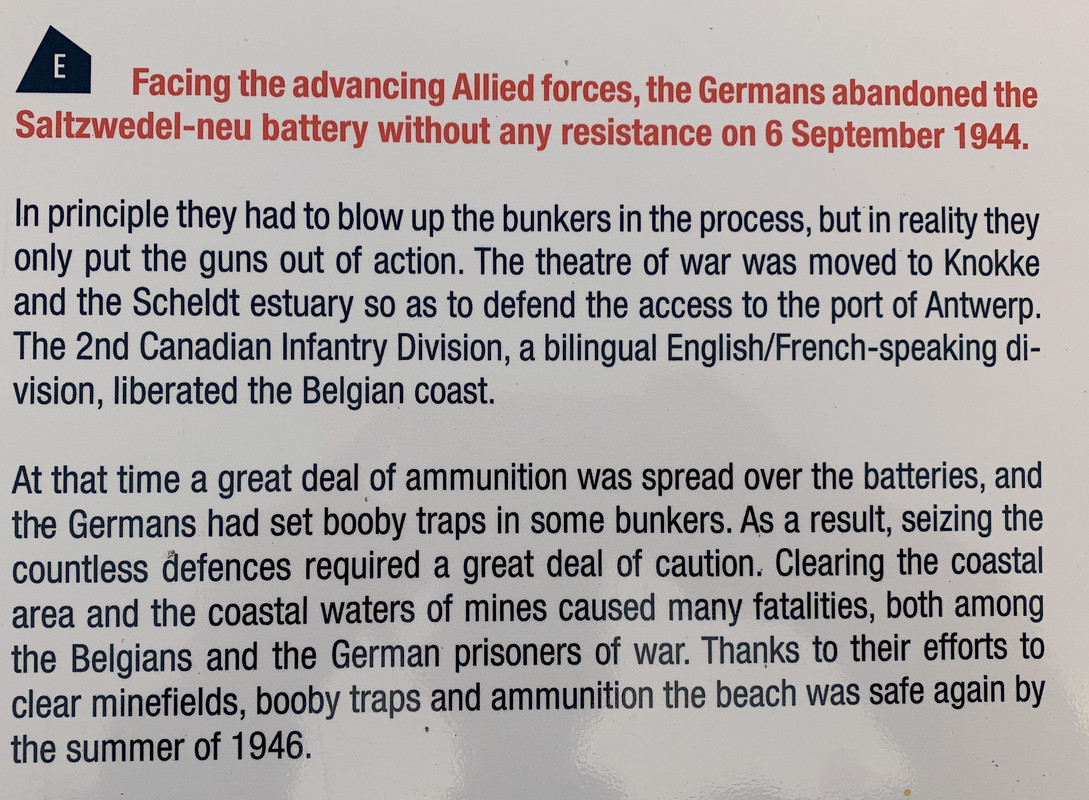
Nice! I would have done the same thing myself.KSaarni wrote:Instead of focusing on my Spitfires, I went to see parts of the Atlantic wall on the Belgium coast. Was totally blown off by what I saw.. Practically totally intact, in original conditions, German bunkers and tunnels along the coast side.
I will later in the week try to put up some pictures of what I saw.
But in the museum shop, I found this... Did not thing twice to buy it...
( it's a Mk. I or Mk. II )
- Kari
Indeed, the place we visited in Raversyde on the west coast of Belgium was formidable. Perhaps not with the BIG guns and bunkers as in Normandy, but still impressing. While walking in the tunnels connecting the bunkers, for a second one could imagine we were back in 1943 or soStikpusher wrote: Some areas were far more formidable than others. And I understand the need to achieve tactical and strategic surprise for the landings, primarily to isolate the invasion areas from reinforcements. But I do wonder what would have happened had some of the later PTO amphibious techniques been employed. Extended ship to shore precision bombardments, and putting the troops ashore in Amtracks to reduce their exposure to defensive fires between the waterline and the sea wall, especially on the more open beaches.